Serengeti National Park; The Complete First-Timer’s Guide
Most people picture the Serengeti as one savanna. It’s actually 5,700 square miles split into distinct zones, and each one comes alive at a different time of year. That’s the part nobody explains before you book: “when should I go” and “what will I see” have different answers depending on which corner of the park you mean.
Here’s what we tell every first-time guest, in the order it actually matters.
Where the Serengeti Fits In
The Serengeti anchors Tanzania’s Northern Circuit, alongside Ngorongoro Crater, Tarangire, and Lake Manyara. Most itineraries treat it as the main event — more nights here than anywhere else, because the wildlife density holds up longer through the year than the other three parks combined.
You don’t have to choose between the Serengeti and the crater. Almost nobody does. They’re different enough (see the FAQ below) that most itineraries run both, back to back.
Best Time to Visit — By Zone, Not by Month
Forget “best month.” The real question is which zone you want, because the migration doesn’t move as one herd on one schedule.
June through October. Dry season across most of the park — passable roads, short grass, easier sightings. If you want one simple answer, this is it.
Kogatende, in the north — July to October. This is where the Mara River crossings happen, the scene from every wildlife documentary. We won’t promise you a crossing on your dates, and nobody honest will. Herds move by instinct, not by tour schedule. Some days you wait at the river and nothing happens. A guide who’s been tracking that week’s herd movements gives you better odds than luck alone.
Grumeti, in the west — roughly May to July. The migration passes through here on its way north, with its own river crossings and far fewer vehicles than Kogatende sees later in the season. Underrated.
Ndutu, in the south — December to March. Calving season: hundreds of thousands of wildebeest calves born within a few weeks of each other, and every predator in the ecosystem within range of them. One catch — most of Ndutu actually sits in the Ngorongoro Conservation Area, not inside Serengeti National Park itself. Doesn’t change the wildlife. Changes your permit and your park fees.
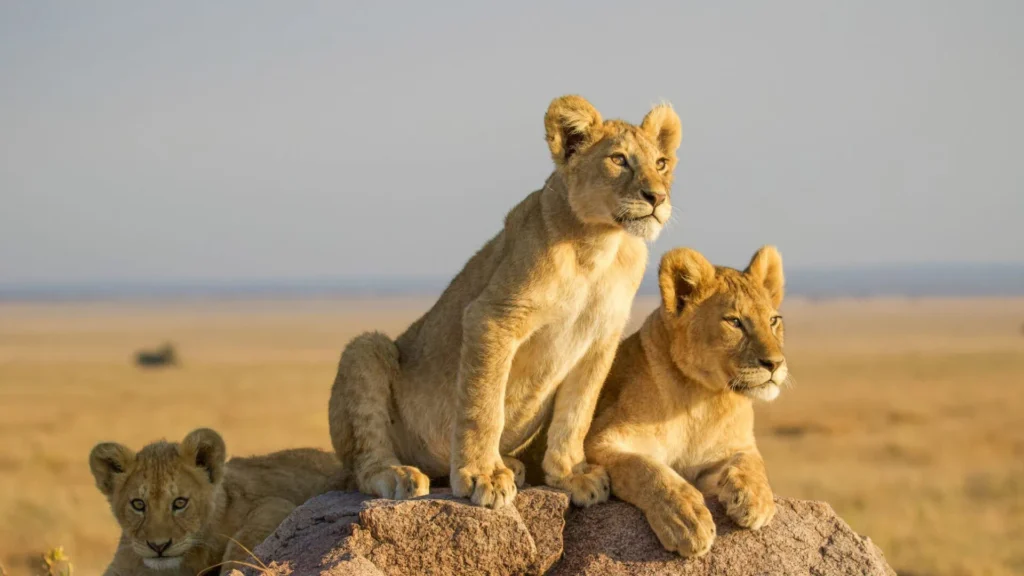
Seronera, in the center — every month of the year. No migration required. Resident lions, leopards along the river lines, permanent plains game. If your dates don’t line up with any of the above, this is where you go, and it rarely disappoints.
April and May. Quieter, greener, cheaper. Some rain, some muddy tracks. A fair trade if your schedule doesn’t bend for the dry season.
The Four Zones, Quick Reference
- Seronera — reliable big-cat sightings, any month
- Kogatende — river crossings, July–October
- Grumeti — migration passage, May–July
- Ndutu ecosystem — calving season, December–March
Most itineraries combine two or three of these instead of parking in one spot for a week. That’s the actual reason trip length matters — not “more days means more animals,” but more of the real story.
How Many Days Actually Cover This
2–3 days gets you Seronera plus one neighboring park. That’s our 3-Day Tanzania Safari: Lake Manyara, Ngorongoro & Tarangire Highlights — built for travelers short on time who still want a taste of the Serengeti’s neighbors, not the Serengeti itself in depth.
5–6 days covers the Northern Circuit properly, with two nights inside the Serengeti. That’s the 6-Day Tanzania Safari: Best of the Northern Parks.
9–10 days lets you chase the migration across more than one zone instead of committing to a single area and hoping. That’s the 9-Day Grand Tanzania Safari: The Ultimate Serengeti Adventure and the 10-Day Best of Tanzania Safari.
If you’re not sure which fits your dates, ask before you book. Matching your travel window to the right zone is the one decision that actually changes what you’ll see.
What It Costs
Park fees are set by the Tanzanian government, not by us or any other operator. For the 2025/2026 season, non-resident foreign visitors pay:
- $83/day (peak season) or $71/day (low season) per adult
- $24/day per child, ages 5–15
- Free under age 5
- A separate fee for foreign-registered vehicles
These should show up as their own line on any quote you’re given. If an operator folds park fees into one lump sum instead of breaking them out, ask why. (More on this in our companion post on what a Tanzania safari really costs.)
Before You Go
- Talk to a travel clinic about malaria prevention for this region.
- Pack khaki, olive, tan — not bright colors, not black.
- Bring binoculars. The distances here make them more useful than anywhere else in Tanzania.
- Full checklist: our Ultimate Travel Packing List.
Questions We Actually Get Asked
Is the Serengeti safe for a first safari?
Yes. You’re in a vehicle with a trained guide the entire time. The real variable isn’t safety — it’s whether your guide knows where the animals are that particular week.
Serengeti or Ngorongoro Crater — what’s the difference?
The Serengeti is open and unpredictable; you follow the herds. The crater is a closed volcanic bowl packed with wildlife in a small area — near-guaranteed sightings, no chasing required. Most people do both, because they’re not competing experiences.
Can I self-drive?
You can. We’d tell you not to. Tracks aren’t marked the way you’d expect, help is far away if something breaks down, and knowing where the animals are right now is most of what you’re paying a guide for.
Do I need a visa?
Almost certainly — on arrival or online in advance. Rules and fees change periodically, so confirm close to your travel date instead of trusting an old blog post. Including, eventually, this one.