Is Ngorongoro Crater Worth the Extra Cost?
If you are planning a Tanzania safari, you have probably noticed that adding the Ngorongoro Crater can increase the overall cost of your trip. This often leads to an important question: Is Ngorongoro Crater worth the extra cost?
The honest answer is that it depends on what you want from your safari.
For travelers looking for spectacular scenery, a high concentration of wildlife, dramatic landscapes, and the opportunity to explore one of Tanzania’s most remarkable natural attractions, the Ngorongoro Crater can be a memorable addition to a northern Tanzania safari.
However, if your main priority is spending as much time as possible following the Great Migration or exploring large wilderness areas, you may prefer to allocate more of your budget to destinations such as the Serengeti.
In this guide, we take an honest look at the Ngorongoro Crater cost, what makes the destination special, its advantages and limitations, and who should consider adding it to a Tanzania safari.
What Makes the Ngorongoro Crater Special?
The Ngorongoro Crater is the world’s largest unbroken caldera and forms part of the wider Ngorongoro Conservation Area. UNESCO recognizes the area for its exceptional landscapes, biodiversity, archaeological importance, and cultural significance.
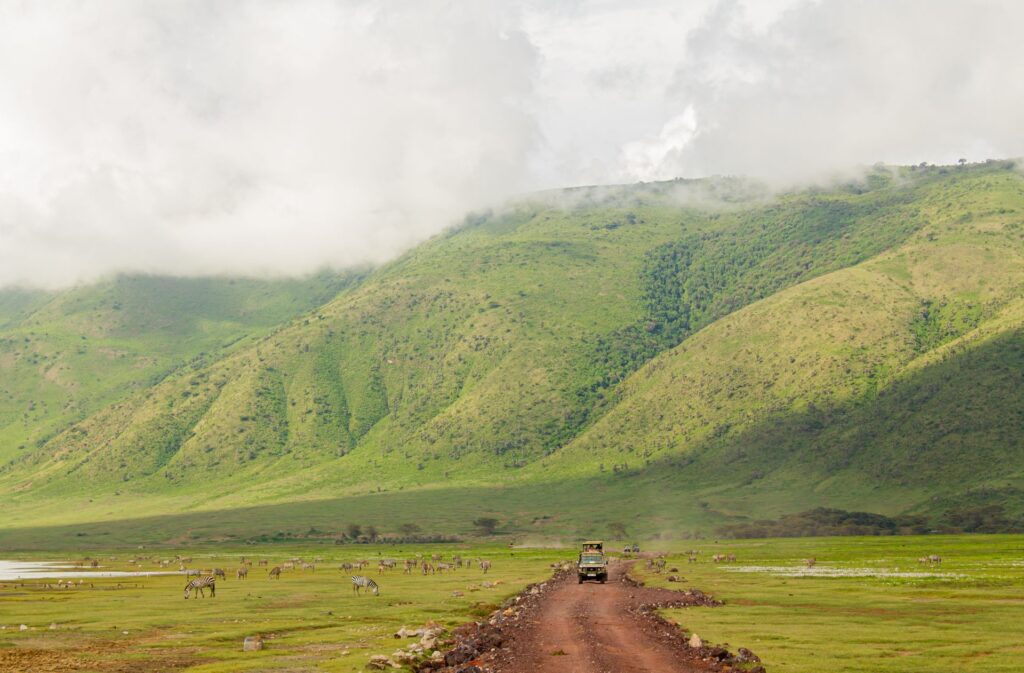
The crater itself is approximately 20 kilometers across and surrounded by steep walls, creating an extraordinary natural setting for wildlife viewing.
One of the biggest attractions is the concentration of animals on the crater floor. The Ngorongoro Conservation Area Authority describes a crater game drive as one of the area’s most popular tourist activities, with opportunities to see grazing herbivores and predators in the same ecosystem.
This combination of wildlife and scenery is one of the main reasons travelers choose to include Ngorongoro in their itinerary.
Why Does Ngorongoro Cost More?
The price of a safari to Ngorongoro is influenced by more than just the entrance fee.
Depending on your itinerary, your total cost can include:
- Ngorongoro Conservation Area fees
- Crater service or vehicle fees
- Safari vehicle and professional guide
- Accommodation
- Meals
- Transportation
- Concession or camping fees
- Additional activities
- Taxes and operator costs
For international visitors, published fee information shows that Ngorongoro can involve significant conservation and crater-related charges. Fees can also change, so travelers should confirm the current rates with the Ngorongoro Conservation Area Authority or their safari operator before booking.
This is important because the advertised price of a safari package may not always make it obvious which costs are included.
What Do You Get for the Extra Cost?
The main question should not simply be, “How much does Ngorongoro cost?”
Instead, ask:
“What experience am I getting for the additional money?”
1. Exceptional Wildlife Viewing
The crater is famous for its concentration of wildlife. The relatively enclosed environment can provide excellent opportunities to observe animals during a game drive.
You may encounter:
- Lions
- Elephants
- Buffalo
- Zebras
- Wildebeest
- Hippos
- Hyenas
- Gazelles
- Various bird species
- Black rhino, although sightings are never guaranteed
UNESCO notes that the Ngorongoro Conservation Area supports a large population of wildlife and includes globally threatened species such as the black rhino.
However, it is important to remember that no ethical safari operator can guarantee a particular animal sighting.
2. Incredible Scenery
The scenery is another major reason to visit.
Imagine descending from the crater rim through highland forest before reaching a broad grassland landscape surrounded by towering crater walls.
The experience is different from driving through the open plains of the Serengeti.
For photographers, the combination of wildlife, crater walls, forests, grasslands, and changing light can provide numerous opportunities for memorable images.
3. A Different Safari Experience
The Serengeti and Ngorongoro should not necessarily be viewed as competing destinations.
They offer different experiences.
The Serengeti provides vast open landscapes where wildlife can move across enormous distances. Ngorongoro provides a more compact and dramatic environment.
Including both destinations can therefore give travelers a broader understanding of Tanzania’s northern safari ecosystem.
Is Ngorongoro Better Than the Serengeti?
This is not really an either-or question.
The Serengeti is particularly important for travelers interested in large-scale wildlife movements and the Great Migration. The wider ecosystem supports huge populations of migratory animals.
The Ngorongoro Crater, on the other hand, offers a concentrated wildlife experience combined with an extraordinary volcanic landscape.
If you have enough time and budget, combining the two can create a more varied safari.
If your budget is limited, however, the decision becomes more personal.
Ask yourself what matters most:
Wildlife concentration and dramatic scenery? Ngorongoro may be attractive.
Large wilderness areas and migration experiences? More time in the Serengeti may make sense.
A mixture of both? Consider combining Serengeti and Ngorongoro.
The Biggest Advantages of Visiting Ngorongoro
High Wildlife Density
The crater’s enclosed ecosystem can make wildlife viewing particularly rewarding.
Spectacular Landscape
The crater walls create a setting that is very different from the open Serengeti plains.
Excellent for First-Time Safari Travelers
If this is your first African safari, the combination of scenery and wildlife can provide an impressive introduction to Tanzania.
Cultural and Historical Significance
Ngorongoro is more than a wildlife destination.
The wider conservation area includes important archaeological locations such as Olduvai Gorge, while Maasai communities have long lived within the conservation area. UNESCO recognizes both the area’s natural and cultural significance.
Convenient Addition to a Northern Circuit Safari
Ngorongoro can fit naturally into itineraries that also include destinations such as Tarangire and Serengeti.
The Downsides: Is the Extra Cost Always Justified?
An honest review should also consider the disadvantages.
1. It Can Increase Your Safari Budget
Ngorongoro-related fees can add considerably to the cost of a safari, particularly for international travelers.
If you are traveling on a strict budget, the additional expense may mean reducing your accommodation level or spending fewer days in the Serengeti.
2. It Can Be Busy
The crater is one of Tanzania’s most popular attractions.
That means some areas can experience concentrations of safari vehicles, particularly during busy periods.
If your ideal safari involves remote wilderness and very few vehicles, this is worth considering.
3. A Crater Visit Is Often a Day Experience
Many itineraries focus on a crater game drive rather than spending several days exploring the crater floor.
The wider Ngorongoro Conservation Area, however, offers many other experiences, including walking safaris and visits to archaeological and cultural attractions.
4. The Experience Is Different From the Serengeti
Travelers expecting endless open plains may find Ngorongoro’s enclosed landscape very different.
That is not necessarily negative—it simply means you should understand what you are booking.
Who Should Visit the Ngorongoro Crater?
Ngorongoro is particularly worth considering if you:
- Are visiting Tanzania for the first time
- Want spectacular scenery and wildlife together
- Have a limited number of safari days
- Want to experience one of Tanzania’s most famous natural landmarks
- Enjoy photography
- Want to combine wildlife with cultural and archaeological experiences
- Are already planning a northern Tanzania safari
The Ngorongoro Conservation Area Authority also highlights walking safaris, cultural experiences, archaeological attractions, and several scenic destinations beyond the crater itself.
Who Might Skip Ngorongoro?
Skipping the crater may make sense for travelers who:
- Have an extremely limited safari budget
- Prefer spending additional days in the Serengeti
- Mainly want a remote wilderness experience
- Have already visited Ngorongoro
- Are more interested in a specific seasonal wildlife event elsewhere
The important thing is to build the safari around your priorities rather than simply visiting every famous destination.
How Many Days Do You Need?
For many northern Tanzania itineraries, a crater visit can be incorporated as part of a broader safari rather than requiring several days dedicated solely to the crater.
A common itinerary could include:
Day 1: Tarangire National Park
Day 2: Lake Manyara or cultural experience
Day 3: Ngorongoro Crater
Days 4–6: Serengeti National Park
The exact number of days depends on your arrival point, accommodation, budget, travel season, and safari interests.
For travelers with more time, exploring additional parts of the Ngorongoro Conservation Area can provide a deeper experience.
How to Get Better Value From Your Ngorongoro Safari
If you decide to visit, there are several ways to make the experience more worthwhile.
Choose the Right Safari Operator
A knowledgeable guide can make a significant difference to your experience.
Look for an operator that clearly explains:
- What is included
- Conservation fees
- Vehicle fees
- Accommodation
- Meals
- Guide services
- Transfers
- Additional activities
Combine Ngorongoro With Serengeti
Rather than spending your entire safari in Ngorongoro, consider combining the crater with Serengeti.
This gives you two very different landscapes and wildlife experiences.
Consider the Season
Wildlife behavior and landscape conditions change throughout the year.
Ask your safari operator which period best matches your interests instead of choosing dates solely based on generic “best time” claims.
Ask About the Full Price
Before paying a deposit, request a detailed itinerary showing exactly what is included.
This helps avoid unexpected expenses later.
Is Ngorongoro Crater Worth the Extra Cost?
For many travelers, yes—the additional expense can be worthwhile if the experience matches what you want from your Tanzania safari.
The value is not simply in the number of animals you might see.
It comes from experiencing an extraordinary volcanic landscape, a remarkable concentration of wildlife, and a destination with major natural, cultural, and archaeological importance.
At the same time, Ngorongoro is not automatically the right choice for every traveler.
If adding Ngorongoro means cutting several days from the Serengeti or stretching your budget beyond what you are comfortable with, you should compare the experiences carefully.
The best safari is one that matches your time, budget, interests, and travel style.
Plan Your Tanzania Safari With Eve On Safari
Ready to explore Tanzania?
At Eve On Safari, you can build a private Tanzania safari around the destinations and experiences that matter most to you.
From the Serengeti and Ngorongoro Crater to Tarangire, cultural experiences, and other northern Tanzania attractions, your itinerary can be planned around your available time and budget.
Explore our Tanzania safari options and start planning your adventure:
Frequently Asked Questions About Ngorongoro Crater
Is Ngorongoro Crater expensive?
Ngorongoro can add a significant amount to the overall cost of a Tanzania safari because travelers may incur conservation, crater service, accommodation, and other safari-related costs. Current charges should be confirmed before booking because official fees can change.
Is Ngorongoro Crater worth visiting?
For travelers interested in wildlife, dramatic volcanic scenery, photography, and Tanzania’s natural and cultural heritage, Ngorongoro can be a valuable addition to a safari.
Can I visit Ngorongoro without visiting the Serengeti?
Yes. However, many northern Tanzania safari itineraries combine the two because they offer different landscapes and wildlife experiences.
Can I see the Big Five in Ngorongoro?
Ngorongoro supports several of the species commonly referred to as the Big Five, including lion, elephant, buffalo and rhino. However, wildlife sightings are never guaranteed.
How long should I spend in Ngorongoro?
Many travelers visit the crater as part of a one-day game-drive experience, while longer stays in the wider conservation area allow time for additional attractions and activities. The NCAA lists walking safaris, cultural experiences, archaeological sites, and other destinations within the conservation area.
Is Ngorongoro good for first-time safari travelers?
Yes, it can be an excellent introduction to Tanzania because it combines dramatic scenery with opportunities for wildlife viewing and access to the wider cultural and archaeological heritage of the conservation area.
Final Thoughts
So, is Ngorongoro Crater worth the extra cost?
There is no single answer for every traveler.
If your dream Tanzania safari includes spectacular landscapes, concentrated wildlife viewing, photography, and the chance to experience one of Africa’s most distinctive natural environments, Ngorongoro deserves serious consideration.
If your priority is maximizing time in vast wilderness areas or following seasonal wildlife movements, you may choose to put more of your budget toward the Serengeti.
The key is to build your safari around what you want to experience—not simply around a checklist of famous destinations.