What Are the Ngorongoro Highlands?
The Ngorongoro Highlands are a mountainous region surrounding the Ngorongoro Conservation Area. The landscape has been shaped by volcanic activity and the geological forces of the East African Rift System.
The area includes highland forests, volcanic craters, grasslands, agricultural areas, and dramatic valleys. The wider Ngorongoro Lengai Geopark is characterized by volcanic craters, highland forests, grasslands, rivers, and lakes.
The highlands are also home to communities whose livelihoods and traditions are closely connected with the surrounding environment.
This combination makes the region much more than a gateway to the famous crater.
1. Explore Coffee Farms in the Ngorongoro Highlands
One of the most enjoyable experiences in the highlands is visiting a Tanzania coffee farm.
The volcanic soils and high-altitude environment around Ngorongoro create suitable conditions for coffee cultivation. Some farms allow visitors to learn about how coffee is grown, harvested, processed, and prepared.
A coffee farm visit can turn a normal safari stop into a more hands-on cultural and agricultural experience.
What can you experience on a coffee farm?
Depending on the farm and season, visitors may be able to:
- Walk through coffee plantations
- Learn how coffee plants are cultivated
- See coffee cherries at different stages
- Learn about harvesting and processing
- Meet local farmers
- Taste freshly prepared Tanzanian coffee
- Enjoy views of the surrounding highlands
- Learn about sustainable farming practices
The Ngorongoro Lengai Geopark identifies coffee from highland farms among locally produced products associated with the region.
Gibb’s Farm and the history of coffee
The Geopark’s South Route highlights Gibb’s Farm and its coffee plantation as an important agricultural and historical attraction. The farm’s coffee-growing history dates back to the early 20th century, and the property developed into a working farm and hospitality destination.
For travelers interested in combining coffee, farming, food, and safari, a highland farm experience can be a memorable addition to a northern Tanzania itinerary.
2. Hike to Beautiful Ngorongoro Waterfalls
The Ngorongoro Highlands are also known for their waterfalls and forest hiking trails.
Walking through the highlands gives visitors an opportunity to experience a quieter environment away from the main safari roads.
Among the attractions highlighted by the Ngorongoro Conservation Area Authority are Endoro Waterfalls and the waterfalls around Olmoti Crater.
Endoro Waterfalls
Endoro Waterfalls can be reached by a forest hike through the lower slopes of the Ngorongoro volcanic area.
According to the Ngorongoro Lengai Geopark, the hike takes approximately one hour and passes through lush rainforest. The route provides opportunities to observe plants, birds, scenery, and the agricultural landscape around Karatu.
The waterfall system consists of several drops, creating an impressive natural landscape.
Because wildlife such as Cape buffalo can occur in the area, visitors are required to follow the local guidance and ranger arrangements.
Olmoti Crater Waterfalls
Another spectacular experience is hiking to Olmoti Crater.
Olmoti is a volcanic crater north of Ngorongoro Crater. Its landscape includes grasslands, forest vegetation, wildlife, and streams that eventually form waterfalls.
The official Geopark information states that visitors hike for approximately 45 minutes to reach the crater rim, followed by a further descent toward the waterfalls. Visitors must be accompanied by a ranger because Cape buffalo are found in the area.
The combination of volcanic scenery, hiking, wildlife, and waterfalls makes Olmoti an interesting alternative experience for travelers who want more than a traditional crater game drive.
3. Visit Maasai Villages in the Ngorongoro Highlands
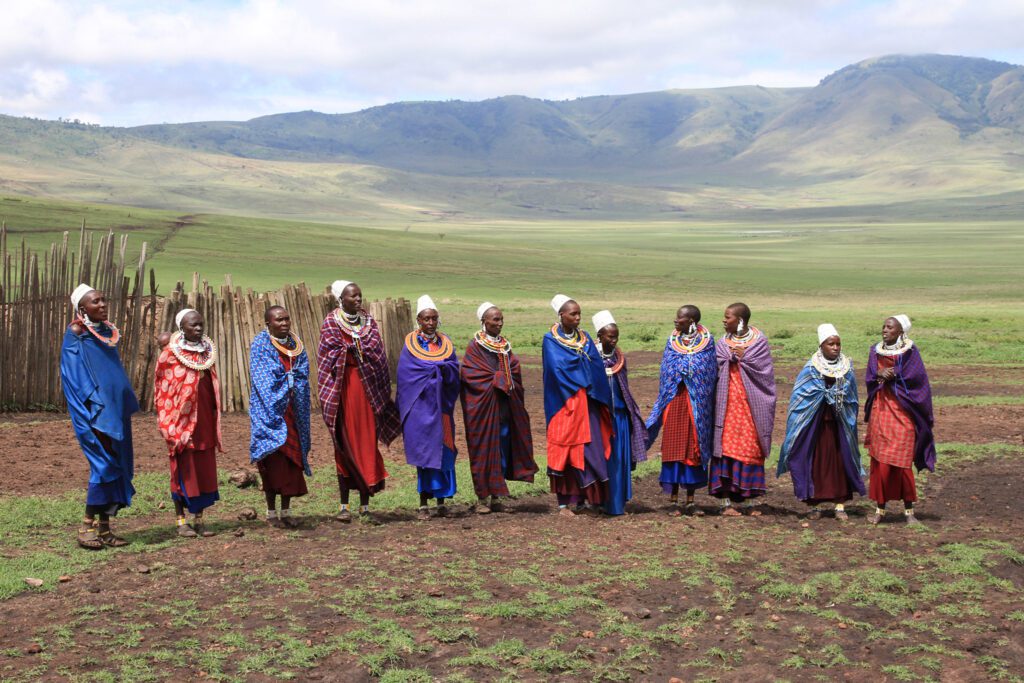
The Ngorongoro area is also an important home for Maasai communities.
A visit to a designated Maasai cultural village or boma can provide an opportunity to learn about traditional lifestyles, cattle keeping, crafts, food, music, stories, and community life.
The Ngorongoro Conservation Area Authority lists cultural tours among activities available in the conservation area and notes that visitors can experience designated Maasai cultural bomas.
However, cultural visits should be approached respectfully. A village visit is not simply a photo opportunity; it is an opportunity to learn from people and understand their relationship with the land.
Seneto Maasai Cultural Boma
One of the recognized cultural sites in the Ngorongoro Lengai Geopark is Seneto Cultural Boma.
The Geopark describes Seneto as the oldest of five Maasai cultural villages in the geopark. Visitors can learn about Maasai life, enter traditional houses, hear stories, experience dances, taste traditional food, and purchase locally made goods.
Experiences can vary depending on the community arrangements and the activities offered on the day of your visit.
4. Learn About Maasai Culture and Daily Life
A cultural tour provides a different perspective on the Ngorongoro landscape.
The Maasai have strong pastoral traditions, with cattle playing an important role in community life. The Ngorongoro Lengai Geopark identifies the Maasai as one of the major communities in the region and describes pastoralism as an important part of their traditional livelihood.
During a responsible cultural visit, travelers may learn about:
- Maasai homes and traditional bomas
- Cattle keeping
- Traditional food
- Music and dance
- Community traditions
- Handcrafted jewelry
- Local stories
- Traditional uses of plants
- The relationship between people, livestock, and the environment
Purchasing locally produced crafts can also contribute directly to community-based economic activities. The Geopark highlights Maasai beadwork and other locally produced goods as important cultural products.
5. Experience the Highland Landscapes
One of the biggest attractions of the Ngorongoro Highlands is simply the scenery.
Unlike the open plains of the Serengeti, the highlands offer a mixture of:
- Volcanic mountains
- Forests
- Rolling grasslands
- Farmland
- Craters
- Waterfalls
- Valleys
- Maasai settlements
- Panoramic viewpoints
The Ngorongoro Lengai Geopark is particularly significant because its landscapes reflect the volcanic and tectonic history of the East African Rift System.
This makes a highland excursion particularly attractive for travelers who enjoy photography and walking.
6. Combine Coffee, Waterfalls, and Culture in One Experience
One of the best ways to experience the Ngorongoro Highlands is to combine several activities instead of treating each attraction as a separate stop.
A possible day could include:
Morning: Coffee Farm Visit
Start the day with a visit to a highland coffee farm. Walk through the plantation, learn about coffee production, and enjoy a freshly prepared cup.
Late Morning: Highland Walk
Continue with a guided walk through the surrounding countryside or forest.
Afternoon: Waterfall Adventure
Head toward Endoro Waterfalls or another suitable waterfall experience for a nature walk and scenic views.
Later Afternoon: Maasai Cultural Experience
Finish with a visit to a designated Maasai cultural boma where you can learn about local traditions and community life.
This type of itinerary creates a more varied experience than spending the entire day in a safari vehicle.
7. Why Add the Ngorongoro Highlands to Your Tanzania Safari?
A Tanzania safari doesn’t have to be only about wildlife viewing.
The Ngorongoro Highlands allow travelers to experience several aspects of Tanzania in one region.
Nature
Explore forests, waterfalls, volcanic landscapes, and mountain scenery.
Agriculture
Discover how coffee and other crops are grown in the highlands.
Culture
Meet local communities through designated cultural experiences.
Adventure
Enjoy guided walks and hiking trails.
Photography
Capture landscapes, waterfalls, farms, forests, villages, and volcanic scenery.
Local Experiences
Taste locally produced coffee and discover handcrafted products.
The Ngorongoro Conservation Area officially promotes game drives, walking safaris, cultural tours, guided nature walks, and photographic safaris among its visitor activities.
Best Time to Visit the Ngorongoro Highlands
The Ngorongoro area can be visited throughout the year, although conditions vary between seasons.
The broader Ngorongoro Lengai Geopark experiences two rainy seasons, generally around October–November and March–May.
The rainy periods can make the highlands particularly green and can increase waterfall flows.
For travelers primarily interested in hiking and waterfalls, seasonal rainfall can be an important consideration. For those combining the highlands with a wider Tanzania safari, the best timing may depend on the other destinations included in the itinerary.
It is always advisable to confirm current trail conditions, ranger requirements, access arrangements, and applicable conservation fees before traveling.
What to Pack for a Ngorongoro Highlands Tour
Because the highlands can be cooler and wetter than many safari destinations, packing appropriately is important.
Consider bringing:
- Comfortable walking shoes
- A light waterproof jacket
- Warm layers
- Long trousers
- Sun protection
- Hat
- Reusable water bottle
- Camera
- Binoculars
- Insect repellent
- Small backpack
- Comfortable clothing for cultural visits
If you plan to hike to a waterfall or crater, comfortable footwear with good grip is particularly useful.
Responsible Tourism in the Ngorongoro Highlands
Responsible tourism is important when visiting both natural areas and local communities.
Respect local customs
Ask permission before photographing people, homes, ceremonies, or cultural activities.
Follow your guide
Some hiking areas contain wildlife and challenging terrain. Follow ranger and guide instructions at all times.
Support local communities
Buying locally made crafts and using community-based experiences can help support local livelihoods.
Protect the environment
Avoid littering and do not remove plants, rocks, or other natural materials.
Keep wildlife wild
Never attempt to approach, feed, or disturb animals.
The Ngorongoro Lengai Geopark specifically promotes locally made products and community participation as part of its sustainable development approach.
Ngorongoro Highlands vs. Ngorongoro Crater
The two experiences complement each other but are quite different.
| Ngorongoro Crater | Ngorongoro Highlands |
|---|---|
| Wildlife-focused | Nature and culture-focused |
| Game drives | Hiking and walking |
| Large concentration of wildlife | Forests, farms and waterfalls |
| Crater floor | Highlands and volcanic landscapes |
| Big Five opportunities | Coffee and cultural experiences |
| Short wildlife viewing experience | More varied community experiences |
For many travelers, combining both creates a more complete Ngorongoro experience.
You can spend time exploring the crater for wildlife before continuing into the highlands for coffee, waterfalls, hiking, and Maasai culture.
Frequently Asked Questions About the Ngorongoro Highlands
What can you do in the Ngorongoro Highlands?
Popular activities include visiting coffee farms, hiking to waterfalls, exploring volcanic landscapes, taking guided nature walks, and visiting designated Maasai cultural villages.
Are there coffee farms near Ngorongoro?
Yes. Coffee is grown in the highland areas around Ngorongoro, and the Ngorongoro Lengai Geopark identifies coffee from highland farms as one of the region’s locally produced products.
Can I visit Maasai villages near Ngorongoro?
Yes. Designated Maasai cultural bomas provide opportunities for visitors to learn about Maasai culture and community life.
Where can I see waterfalls in the Ngorongoro Highlands?
Endoro Waterfalls and the waterfalls associated with Olmoti Crater are among the attractions identified by the Ngorongoro Conservation Area Authority and Ngorongoro Lengai Geopark.
Is hiking available in Ngorongoro?
Yes. The Ngorongoro Conservation Area offers walking and guided nature experiences in several areas, including crater rims, volcanic landscapes, forests, waterfalls, and other natural attractions.
Can I combine the Ngorongoro Highlands with a safari?
Absolutely. The highlands can be incorporated into a northern Tanzania itinerary alongside Ngorongoro Crater, Serengeti National Park, Tarangire National Park, and Lake Manyara, depending on your itinerary and available time.
Plan Your Ngorongoro Highlands Adventure
The Ngorongoro Highlands offer an opportunity to see a side of Tanzania that goes beyond traditional game drives.
From the aroma of freshly prepared coffee to the sound of waterfalls flowing through highland forests, every experience adds another dimension to your journey. Add a Maasai cultural visit and a guided nature walk, and you can experience the region through its landscape, people, agriculture, and natural heritage.
Whether you are planning a private Tanzania safari, a cultural journey, or a longer northern Tanzania adventure, consider adding the Ngorongoro Highlands to your itinerary.
Ready to explore the Ngorongoro Highlands? Plan your Tanzania safari with Eve On Safari and discover coffee farms, waterfalls, volcanic landscapes, and authentic cultural experiences beyond the crater.