Mahale Mountains Chimpanzee Trekking: An Unforgettable Tanzania Safari
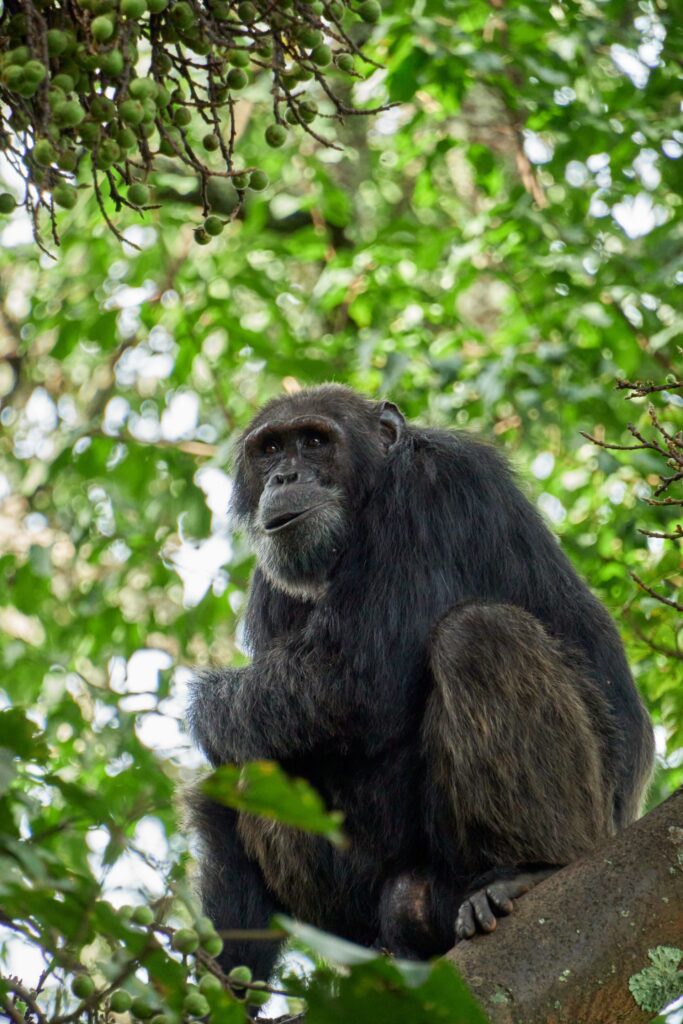
Imagine walking through a lush tropical forest with the sound of birds overhead, following a ranger along a forest trail before suddenly hearing the distinctive calls of wild chimpanzees. Moments later, you spot them moving through the trees, feeding, grooming, playing, or resting among the branches.
This is the experience of Mahale Mountains chimpanzee trekking, one of Tanzania’s most distinctive wildlife adventures.
Located on the eastern shore of Lake Tanganyika in western Tanzania, Mahale Mountains National Park combines forest-covered mountains, pristine beaches, clear freshwater and protected chimpanzee communities. Tanzania National Parks describes Mahale as a destination where rainforest, mountains and Lake Tanganyika come together, with guided chimpanzee trekking among its principal attractions.
Unlike the classic savanna safari experience of the Serengeti or Ngorongoro, Mahale offers travelers the opportunity to explore a forest environment on foot while looking for one of Africa’s closest living relatives.
Where Is Mahale Mountains National Park?
Mahale Mountains National Park is located in western Tanzania along the shores of Lake Tanganyika.
The park is relatively remote compared with Tanzania’s northern safari destinations. There are no conventional roads running through the park, so access is generally by air or by boat. TANAPA lists scheduled or charter flights to Mahale Airstrip, as well as access through Kigoma followed by a boat transfer.
The park covers more than 1,600 square kilometres, with forested mountains rising dramatically behind the lakeshore. Mount Nkungwe reaches more than 2,400 metres, creating a spectacular backdrop for the beaches and forests.
The remote setting is an important part of the Mahale experience. Rather than driving from one wildlife sighting to another, visitors spend time walking through forests, exploring the lake and experiencing a quieter side of Tanzania.
Why Visit Mahale Mountains for Chimpanzees?
The main attraction for many visitors is the opportunity to track habituated chimpanzee communities with trained guides and park rangers.
Chimpanzees are not confined to an enclosure. They live freely within the forest, which means every trek is different.
Your guide and trackers may look for clues such as:
- Fresh chimpanzee nests
- Vocalizations and pant-hoots
- Feeding remains
- Footprints and other signs
- Fruit eaten by the chimpanzees
- Movement through the forest canopy
TANAPA’s official information confirms that chimpanzee trekking in Mahale involves guided walks through montane forest to observe habituated chimpanzee communities.
This makes the journey itself part of the experience. You are not simply arriving at a viewing point; you are learning how trackers read the forest and locate the chimpanzees.
What Is Chimpanzee Trekking in Mahale Like?
A typical chimpanzee trek begins in the morning.
You meet your guide and ranger before entering the forest. The exact route depends on where the chimpanzees have moved and where trackers have identified their location.
Some days may involve a relatively short walk, while others can require considerably more effort.
Chimpanzees move through a large forest environment, and their location changes according to food availability, weather and season. During some periods they may be found closer to the lower slopes, while at other times they can range farther up the mountains.
This is one reason Mahale chimpanzee trekking feels like a genuine wildlife expedition.
Once the chimpanzees are located, visitors are expected to follow strict viewing guidelines designed to minimize disturbance.
According to TANAPA’s chimpanzee-viewing guidelines, a tracking group in Mahale is limited to six people including a guide, while maximum viewing time is one hour.
The Chimpanzee Experience: What Might You See?
One of the most rewarding parts of chimpanzee trekking is that you never know exactly what the animals will be doing when you find them.
You may see chimpanzees:
- Feeding on fruit
- Grooming one another
- Climbing trees
- Moving between trees
- Resting in the forest
- Playing with younger chimpanzees
- Communicating through vocalizations
- Interacting with other members of the community
Chimpanzee behavior can change quickly, so patience is important.
Your guide may also help you understand the sounds coming from the forest. Chimpanzee vocalizations can carry through dense vegetation, sometimes helping trackers determine the direction of the group.
Best Time for Mahale Mountains Chimpanzee Trekking
Chimpanzee trekking is possible during much of the year, but seasonal conditions can affect the experience.
The dry season from June to October is commonly recommended for visiting Mahale. SafariBookings identifies August, September and October as particularly favorable months for chimpanzee viewing because the animals tend to spend more time on lower slopes closer to the lakeshore.
June and July
June and July can provide good trekking conditions, although chimpanzees may still range higher in the mountains.
The forest can remain relatively lush after the rains, making these months attractive for travelers interested in combining chimpanzee trekking with forest scenery.
August to October
August through October is frequently highlighted as a strong period for chimpanzee trekking.
Drier trails and seasonal chimpanzee movements can make tracking more manageable, while thinner vegetation may improve visibility inside the forest.
November to February
The short rains can bring greener landscapes and changing trekking conditions.
Chimpanzee trekking can still be possible, but visitors should be prepared for wetter conditions and potentially more challenging walks.
March to May
The long rains can make travel more challenging, and some camps and scheduled services may operate seasonally. Travelers planning a visit during this period should confirm accommodation and transportation arrangements before booking.
Important: Chimpanzees are wild animals, so sightings and trekking distances cannot be guaranteed regardless of the month.
Lake Tanganyika: More Than a Chimpanzee Safari
One of the things that makes Mahale unusual is the combination of chimpanzee trekking and Lake Tanganyika.
After spending time in the forest, travelers can return to the lakeshore and enjoy the freshwater environment.
TANAPA highlights activities including:
- Boat trips
- Kayaking
- Snorkeling
- Swimming
- Beach relaxation
The park’s beaches provide a striking contrast to the forested mountains behind them.
This means a Mahale safari can combine wildlife, hiking and relaxation rather than focusing exclusively on traditional game drives.
Hiking in the Mahale Mountains
Chimpanzee trekking is not the only way to explore the park.
Mahale also offers opportunities for hiking through forest and mountain landscapes.
For travelers looking for a more active Tanzania safari, hiking can provide a different perspective of the ecosystem.
TANAPA identifies Mount Nkungwe and other forest trails as part of the park’s hiking and peak-ascent opportunities.
Because terrain can be steep and conditions can change, visitors should follow their guide’s advice and carry appropriate footwear, water and rain protection.
What Wildlife Can You See in Mahale?
Although chimpanzees are the main attraction, Mahale’s forest supports a variety of wildlife.
Depending on location and conditions, visitors may encounter:
- Red colobus monkeys
- Blue monkeys
- Red-tailed monkeys
- Baboons
- Forest birds
- Butterflies
- Other forest wildlife
The experience is different from a Serengeti game drive. Instead of focusing on large concentrations of plains animals, Mahale is about slowing down and observing the forest ecosystem.
Chimpanzee Trekking Rules in Mahale
Responsible tourism is particularly important when visiting habituated chimpanzees.
TANAPA’s official guidelines include several rules designed to protect both visitors and chimpanzees.
Visitors should:
- Follow the instructions of their guide and ranger.
- Keep voices low around chimpanzees.
- Avoid sudden movements.
- Maintain the required distance.
- Never use flash photography.
- Avoid perfume, smoking and spitting during chimpanzee viewing.
- Stay together as a group.
- Avoid surrounding the chimpanzees.
- Follow all park regulations.
These rules help reduce stress and minimize the possibility of transmitting diseases between humans and chimpanzees.
What Should You Pack for a Mahale Chimpanzee Trek?
Because chimpanzee trekking takes place in a forest and mountain environment, practical clothing is important.
Consider packing:
Comfortable Hiking Shoes
Choose sturdy shoes with good grip because trails can become slippery after rain.
Lightweight Clothing
Breathable clothing is useful for walking in warm and humid conditions.
Rain Jacket
Rain can occur even outside the main rainy season, so a lightweight waterproof jacket is useful.
Insect Repellent
The forest environment means insects can be present, particularly around wetter areas.
Binoculars
Binoculars can be useful for observing animals and birds higher in the forest canopy.
Camera
Bring a camera with sufficient battery and memory capacity, but remember that flash photography should not be used around chimpanzees.
Reusable Water Bottle
Staying hydrated is important during forest trekking.
How to Get to Mahale Mountains
Mahale is remote, which is part of its appeal.
Travelers can generally reach the area by air or boat.
One option is to travel through Kigoma, followed by a flight or boat transfer toward Mahale. Another option is to use scheduled or charter safari flights serving the park.
TANAPA currently lists access through Mahale Airstrip or via Kigoma with a subsequent boat transfer.
Because transportation schedules can be seasonal, travelers should plan their connections carefully and allow enough time for transfers.
How Many Days Should You Spend in Mahale?
For travelers whose primary goal is chimpanzee trekking, spending several nights in the area gives you more flexibility.
A longer stay can allow you to:
- Enjoy more than one chimpanzee trek
- Relax on Lake Tanganyika
- Take a boat trip
- Explore forest trails
- Go kayaking or snorkeling
- Allow flexibility if weather affects activities
Rather than rushing through Mahale in a single night, consider making it a dedicated part of your western Tanzania itinerary.
Combining Mahale With Other Tanzania Safari Destinations
Mahale can be combined with several other destinations depending on your itinerary.
Mahale and Katavi
This combination creates a western Tanzania safari featuring both traditional game viewing and chimpanzee trekking.
Mahale and Gombe
Travelers interested primarily in chimpanzees can consider combining Mahale with Gombe National Park.
Mahale and Serengeti
For travelers with more time, combining western Tanzania with the Serengeti can create a broader safari experience that includes both forest primates and classic African savanna wildlife.
Mahale and Lake Tanganyika
You can also build a slower itinerary around the lake itself, combining chimpanzee trekking with boating, swimming and beach relaxation.
Why Mahale Belongs on a Tanzania Safari Itinerary
Mahale Mountains National Park offers a very different experience from the better-known northern safari circuit.
Here, the focus shifts from open grasslands and large herds to forest trails, chimpanzees, mountains and Lake Tanganyika.
The combination of rainforest and beach is particularly distinctive. TANAPA describes the park as a protected ecosystem where chimpanzee conservation, forest habitats and responsible tourism are closely connected.
For travelers looking for an active and nature-focused Tanzania adventure, Mahale provides an opportunity to experience wildlife from a different perspective.
Frequently Asked Questions About Mahale Mountains
Is Mahale Mountains good for chimpanzee trekking?
Mahale is known for guided chimpanzee trekking through its forest habitat. Visitors track habituated chimpanzee communities with guides and rangers.
When is the best time for chimpanzee trekking in Mahale?
June to October is generally a favorable period, with August to October often highlighted for chimpanzee viewing conditions.
Can I swim in Lake Tanganyika?
Lake activities including swimming, kayaking, snorkeling and boat trips are among the experiences promoted by TANAPA at Mahale.
How long does chimpanzee trekking take?
The length of the walk can vary depending on where the chimpanzees are located. Once the animals are found, TANAPA’s guidelines limit viewing time to one hour, with additional rules governing tracking and group size.
Is Mahale suitable for families?
Chimpanzee trekking involves walking through forest terrain and following wildlife-viewing regulations. Families should check current park rules, age requirements and activity suitability when planning their safari.
What makes Mahale different from Serengeti?
Serengeti is famous for open savanna landscapes, large mammals and the Great Migration, while Mahale focuses more on forest trekking, chimpanzees, mountains and Lake Tanganyika.
Plan Your Mahale Mountains Safari With Eve On Safari
A journey to Mahale Mountains National Park can be one of the most distinctive experiences on a Tanzania safari. From tracking chimpanzees through tropical forest to relaxing beside Lake Tanganyika, the destination combines wildlife, adventure and beautiful scenery in one remote location.
If you are planning a Tanzania safari and want to include chimpanzee trekking, Lake Tanganyika, western Tanzania or a combination of national parks, Eve On Safari can help you create an itinerary around your travel dates, interests and budget.
Explore Tanzania safari experiences with Eve On Safari:
Eve On Safari