Katavi National Park: Discover Tanzania’s Remote Wilderness
Far from Tanzania’s most famous safari routes lies a destination where vast floodplains, woodland, rivers and wildlife create an extraordinary wilderness experience.
Katavi National Park is located in western Tanzania and is known for its remote setting, seasonal floodplains and impressive concentrations of wildlife. The park was gazetted as a national park in 1974 and covers approximately 4,471 square kilometres.
For travelers looking beyond the popular Northern Circuit, Katavi offers a very different type of Tanzania safari. Instead of busy wildlife-viewing areas, the park’s appeal comes from its expansive landscapes, relatively low visitor numbers and spectacular dry-season concentrations of animals.
Its most famous sights include enormous buffalo herds, crowded hippo pools, elephants, crocodiles and predators such as lions and leopards.
Where Is Katavi National Park?
Katavi National Park is situated in western Tanzania, making it one of the country’s more remote safari destinations.
The park’s landscape revolves around the Katuma River, seasonal Lake Katavi and Lake Chada floodplains. During the rainy season, these areas become wetlands and grazing grounds. As the dry season progresses, water becomes increasingly concentrated, drawing large numbers of wildlife to the remaining water sources.
The park’s isolation is an important part of the experience. Reaching Katavi generally requires either a long 4×4 journey or air travel through regional airports and airstrips serving the western circuit. TANAPA’s visitor information lists access by road and air, including flights to Mpanda Airport and seasonal or charter flights to Ikuu Airstrip.
Why Visit Katavi National Park?
There are many reasons to include Katavi in a Tanzania safari itinerary.
1. Remote and Wild
Katavi is far removed from Tanzania’s busiest safari circuits. Its remote location contributes to a wilderness atmosphere that appeals to travelers looking for a less conventional safari.
TANAPA describes Katavi as one of Tanzania’s great wilderness areas, with large landscapes and wildlife concentrations around its seasonal rivers and floodplains.
2. Huge Buffalo Herds
One of Katavi’s signature wildlife spectacles is its buffalo population.
During the dry season, large herds gather around the floodplains and remaining water sources. TANAPA highlights Katavi’s massive buffalo herds as one of the park’s major attractions.
3. Crowded Hippo Pools
The shrinking water of the Katuma River creates one of Katavi’s most memorable scenes.
As pools become smaller, large numbers of hippos gather in the remaining water while Nile crocodiles occupy the surrounding riverbanks.
4. Excellent Predator Viewing
Katavi is home to predators including lions, leopards and spotted hyenas.
During the dry season, prey animals become concentrated around water sources, creating opportunities for predator sightings on the floodplains.
Wildlife in Katavi National Park
Katavi supports an impressive range of wildlife across its floodplains, grasslands, woodlands and riverine habitats.
Visitors may encounter:
- African elephants
- African buffalo
- Hippopotamuses
- Nile crocodiles
- Lions
- Leopards
- Spotted hyenas
- Zebras
- Topi
- Impala
- Waterbuck
- Giraffes
- Sable antelope
- Roan antelope
- Numerous bird species
The park’s seasonal changes are particularly important to wildlife. During the rains, water and vegetation spread across the landscape. As the dry season continues, animals increasingly gather around remaining water sources.
The Katuma River: The Heart of Katavi
The Katuma River plays a central role in the ecology of Katavi National Park.
During the dry season, parts of the river system shrink into isolated pools. Wildlife then gathers around these remaining sources of water.
This can create remarkable concentrations of:
- Hippos
- Crocodiles
- Buffalo
- Elephants
- Antelope
- Birds
- Predators
TANAPA identifies the Katuma River and Ikuu Bridge as key attractions, particularly during the dry season when shrinking pools attract large gatherings of wildlife.
Lake Chada and Katavi’s Floodplains
The Lake Chada Plains are another important area for wildlife viewing.
These seasonal floodplains provide open landscapes where large herbivores can graze. During the dry season, wildlife becomes increasingly concentrated around remaining water and grazing areas.
The combination of open plains, woodland and seasonal wetlands creates a varied habitat for both mammals and birds.
The Famous Hippos of Katavi
If you have seen photographs of Katavi, there is a good chance you have seen its famous hippo pools.
As water levels decline, hippos gather in increasingly concentrated groups. TANAPA specifically highlights the sight of hundreds of hippos crowding the remaining pools along the Katuma River.
Watching a hippo pool is fascinating because there is constant activity. Hippos may be seen:
- Resting in the water
- Opening their mouths
- Vocalizing
- Interacting with one another
- Leaving the pool to graze
- Returning to the water during the heat of the day
Nile crocodiles may also be seen along the riverbanks.
Because hippos and crocodiles are potentially dangerous wild animals, visitors should always remain inside the vehicle or follow the instructions of an authorized guide or ranger.
Elephants and Buffalo in Katavi
Katavi is particularly impressive for travelers interested in large herbivores.
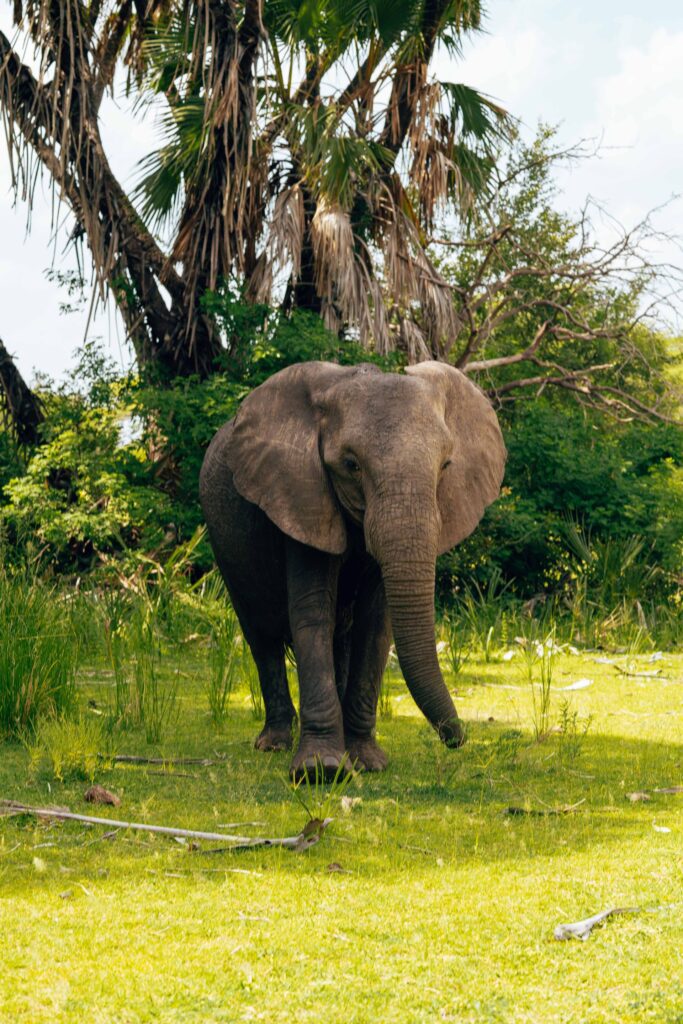
Large buffalo herds can spread across the open floodplains, while elephants move between water sources and woodland.
The dry-season concentration is one of the major reasons Katavi is attractive to wildlife photographers and experienced safari travelers.
Early morning and late afternoon game drives can be especially rewarding because temperatures are generally more comfortable and wildlife becomes active.
Predators in Katavi National Park
Katavi’s prey concentrations support a strong predator population.
Lions
Lion prides patrol the floodplains and areas surrounding wildlife concentrations. Their presence can become particularly noticeable where buffalo, zebra and antelope gather.
Leopards
Leopards are more elusive and may be found around riverine vegetation and woodland.
Spotted Hyenas
Spotted hyenas are another important predator in Katavi’s ecosystem.
TANAPA lists lions, leopards and spotted hyenas among Katavi’s notable predators.
Rare Antelope in Katavi
Katavi is not only about elephants, buffalo and hippos.
The park’s woodland habitats support species such as sable and roan antelope, along with kudu and other browsers.
Seeing these antelope can be particularly rewarding because they may be more difficult to find than the large herds around the floodplains.
Birdwatching in Katavi National Park
Katavi is also an interesting destination for bird enthusiasts.
Its seasonal wetlands attract waterbirds, while woodland and riverine habitats provide opportunities to see a variety of species.
TANAPA highlights birds such as:
- Saddle-billed storks
- Herons
- Pelicans
- Raptors
- Racket-tailed rollers
- Other seasonal wetland birds
Birdlife can be particularly interesting during periods when seasonal pans and wetlands contain water.
Best Time to Visit Katavi National Park
The best time depends on the type of experience you want.
For traditional wildlife viewing, the dry season from approximately June to October is generally favorable because vegetation becomes thinner and wildlife concentrates around water sources. TANAPA’s travel guidance identifies June to October as the dry season and notes that it generally makes wildlife easier to spot around water.
June
June marks the beginning of the main dry-season period. The landscape can still retain some greenery following the rains.
July to September
These months are particularly attractive for travelers interested in concentrated wildlife viewing.
As water sources shrink, animals gather around the Katuma River and seasonal waterholes.
October
October can provide dramatic wildlife concentrations toward the end of the dry season, although temperatures can be high.
November to December
The short rains can transform the landscape. The park becomes greener, and birdlife can be rewarding, although some roads and tracks can become more challenging.
January to February
The landscape can remain green, and the period may appeal to travelers interested in scenery and birdwatching.
March to May
The long rains can make some roads and tracks difficult. Visitors considering a trip during this period should confirm transportation, accommodation and road conditions in advance.
TANAPA notes that Tanzania’s wet and dry seasons create substantially different safari conditions, with dry-season wildlife viewing generally easier around water sources.
Things to Do in Katavi National Park
Katavi is more than a destination for traditional game drives.
Game Drives
Game drives are the primary way to explore the park.
Four-wheel-drive vehicles are recommended, particularly because some tracks can become difficult in wet conditions.
Game drives can take you through:
- Katuma River areas
- Lake Chada Plains
- Lake Katavi floodplains
- Miombo woodland
- Riverine habitats
Walking Safaris
For travelers who want to experience the wilderness on foot, Katavi offers guided walking opportunities.
TANAPA lists the Sitalike Walking Trail, with shorter walks, and the Chorangwa Hiking Trail, which involves longer walking distances.
Walking safaris should always be undertaken with authorized guides or rangers.
Hiking to Waterfalls
Katavi also has hiking routes leading toward waterfalls, including Chorangwa, Lukima and Ndido waterfalls.
These hikes provide an opportunity to experience a different side of the park away from the main game-viewing areas.
Photographic Safaris
Katavi’s open floodplains and wildlife concentrations can provide excellent photographic opportunities.
The combination of:
- Buffalo herds
- Hippo pools
- Elephants
- Predators
- Open landscapes
- Dramatic seasonal conditions
makes the park particularly interesting for wildlife photographers.
How to Get to Katavi National Park
Because Katavi is located in western Tanzania, getting there requires more planning than visiting destinations on the Northern Circuit.
By Air
Flying is generally the most practical option for travelers combining Katavi with other safari destinations.
TANAPA lists Mpanda Airport and seasonal or charter flights to Ikuu Airstrip among access options.
By Road
Katavi can also be reached by road, but journeys can be long. A high-clearance 4×4 is recommended, particularly during wetter conditions.
For most visitors, it makes sense to build Katavi into a dedicated Western Tanzania safari itinerary rather than treating it as a quick stop.
Combining Katavi With Mahale Mountains
One of the most interesting ways to explore western Tanzania is to combine Katavi National Park with Mahale Mountains National Park.
The two destinations provide very different wildlife experiences.
Katavi
Focuses on:
- Big game
- Buffalo
- Elephants
- Hippos
- Crocodiles
- Lions
- Floodplains
- Game drives
Mahale Mountains
Focuses on:
- Chimpanzee trekking
- Tropical forest
- Hiking
- Lake Tanganyika
- Kayaking
- Snorkeling
- Beach relaxation
TANAPA has specifically noted that Katavi’s location makes it possible to combine the park with Mahale, creating a western Tanzania safari that combines traditional game viewing with chimpanzee trekking.
How Many Days Do You Need in Katavi?
Because Katavi is remote, it is worth allowing enough time to experience the park properly.
A 3- to 4-night stay can provide time for several game drives and allow you to explore different areas of the park.
Travelers combining Katavi with Mahale may want to allocate additional days for chimpanzee trekking and Lake Tanganyika activities.
The right length depends on your interests, transportation schedule and overall Tanzania safari itinerary.
Where to Stay in Katavi
Accommodation in Katavi is more limited than in popular destinations such as Serengeti and Ngorongoro.
Options can include:
- Tented safari camps
- Lodges
- Public campsites
- Special campsites
- Mobile or fly-camping experiences
TANAPA confirms that accommodation options include public campsites, special campsites and partner lodges or tented camps around areas such as Sitalike and Ikuu.
Because Katavi has a smaller tourism infrastructure, advance planning is important, especially during the main dry-season safari period.
What to Pack for a Katavi Safari
Because Katavi is remote and conditions can be hot, practical safari clothing is important.
Consider packing:
- Lightweight neutral-colored clothing
- Comfortable walking shoes
- Wide-brimmed hat
- Sunglasses
- Sunscreen
- Insect repellent
- Binoculars
- Camera and spare batteries
- Reusable water bottle
- Lightweight rain jacket
- Small daypack
- Personal medications
- Flashlight or headlamp
For walking activities, sturdy shoes with good grip are particularly useful.
Is Katavi National Park Worth Visiting?
Katavi is particularly suited to travelers who want to explore remote western Tanzania and experience a safari away from the country’s most established tourist routes.
Its defining features are not simply one particular animal or attraction. Rather, it is the combination of:
remote landscapes + seasonal floodplains + huge wildlife concentrations + limited tourism infrastructure.
The dry season can produce extraordinary scenes around the Katuma River, Lake Chada and Lake Katavi, where wildlife becomes concentrated around shrinking water sources.
For travelers building a longer Tanzania safari, Katavi can also provide a natural connection to Mahale Mountains and Lake Tanganyika.
Plan Your Katavi National Park Safari With Eve On Safari
A safari to Katavi National Park takes you away from Tanzania’s better-known safari routes and into one of the country’s remote western landscapes.
From enormous buffalo herds and crowded hippo pools to elephants, lions, crocodiles and beautiful floodplains, Katavi offers a distinctive wildlife experience.
At Eve On Safari, you can combine Katavi with other Tanzania destinations to create a customized safari itinerary based on your travel dates, interests and budget.
Explore Tanzania safari experiences with Eve On Safari:
https://eveonsafari.com/
Frequently Asked Questions About Katavi National Park
What is Katavi National Park famous for?
Katavi is particularly known for its remote wilderness, large buffalo herds, elephant populations, hippo pools, crocodiles and seasonal floodplains.
Where is Katavi National Park located?
Katavi is located in western Tanzania and is part of the country’s Western Safari Circuit.
What is the best time to visit Katavi?
June to October is generally favorable for wildlife viewing because animals become increasingly concentrated around remaining water sources.
Can I see hippos in Katavi?
Yes. Hippos are one of Katavi’s major attractions, particularly when the dry season causes water levels in rivers and pools to decline.
Can I see lions in Katavi?
Yes. Lions occur in Katavi, particularly around the open floodplains where prey species gather.
Can Katavi be combined with Mahale Mountains?
Yes. Katavi and Mahale are both in western Tanzania and can be combined into a longer Western Circuit safari.
How do I get to Katavi?
Travelers can reach Katavi by road or by air. TANAPA lists Mpanda Airport and seasonal or charter flights to Ikuu Airstrip as access options.
How many days should I spend in Katavi?
A 3- to 4-night stay is a practical starting point for exploring the park, although the ideal length depends on your overall safari itinerary and whether you combine Katavi with Mahale or other western Tanzania destinations.