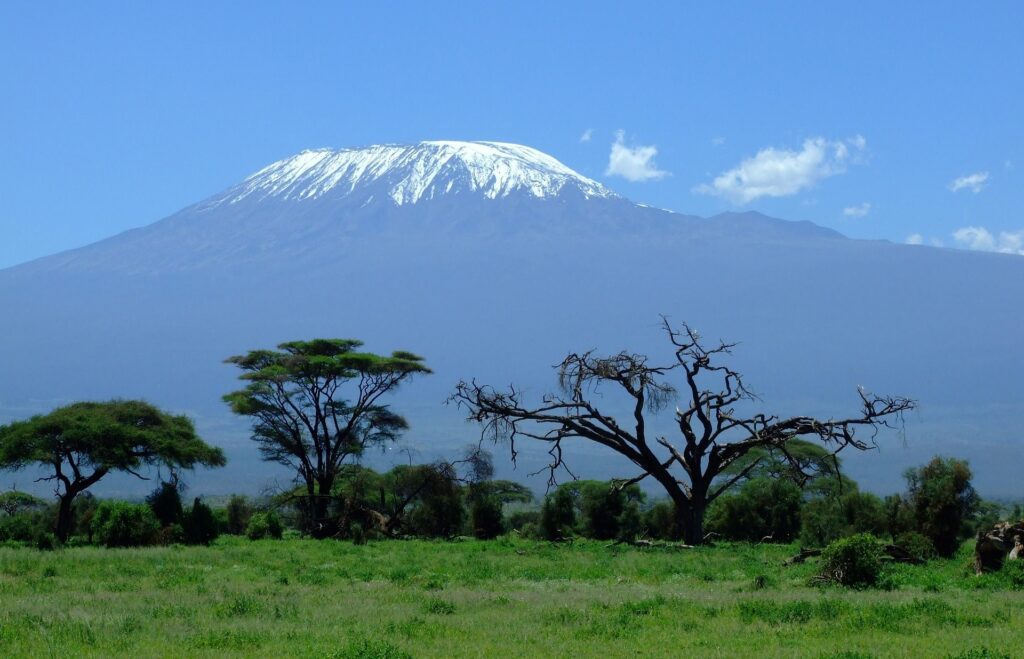
What to Pack for Kilimanjaro: The Complete Gear Checklist
Climbing Mount Kilimanjaro is an unforgettable adventure, but reaching Uhuru Peak at 5,895 meters (19,341 feet) requires more than physical preparation. Knowing what to pack for Kilimanjaro is equally important.
Kilimanjaro takes trekkers through dramatically different environments, from warm and humid rainforest to cold, windy, high-altitude conditions near the summit. This means your packing list needs to cover everything from lightweight trekking clothes and rain protection to warm layers for summit night.
The good news is that you do not need technical mountaineering equipment for the standard Kilimanjaro routes. What you do need is comfortable, reliable gear that protects you from rain, cold, sun, wind, and changing temperatures.
This complete Kilimanjaro packing list explains exactly what to bring, what belongs in your daypack, what should go in your duffel, and which items you may be able to rent in Tanzania.
Why Packing the Right Gear for Kilimanjaro Matters
Kilimanjaro’s environment changes significantly as you gain elevation. A trek can begin in relatively warm rainforest conditions and eventually reach freezing temperatures around the summit.
A good packing strategy therefore focuses on layers rather than bulky clothing.
The most important clothing system includes:
- Moisture-wicking base layers
- Fleece or other insulating mid-layers
- A warm insulated jacket
- Waterproof and windproof outer layers
- Comfortable trekking trousers
- Warm gloves and hat
- Proper hiking socks
- Broken-in hiking boots
Experienced Kilimanjaro packing guides consistently emphasize layering, waterproof protection, warm summit clothing, and comfortable footwear.
Complete Kilimanjaro Packing List
Use the checklist below when preparing for your climb.
1. Main Duffel Bag
Your main mountain luggage should be durable and easy for your trekking team to handle.
Pack:
- Large waterproof or water-resistant duffel bag
- Waterproof packing bags or dry bags
- Small stuff sacks
- Luggage tags
- Small luggage lock
- Separate bag for dirty clothes
- Plastic or waterproof bags for wet clothing
Many Kilimanjaro operators use a porter-carried duffel system, while climbers carry a smaller daypack themselves. Confirm your operator’s specific luggage and weight requirements before departure because limits can vary by operator and trip.
Tip: Divide your belongings into waterproof bags inside your duffel. Even if your outer bag is water-resistant, this provides an additional layer of protection during rainy days.
2. Daypack
Your daypack is one of the most important pieces of equipment because it stays with you during the trek.
A 25–35 liter daypack is commonly recommended for carrying your daily essentials.
Pack:
- Water bottles or hydration system
- Snacks
- Rain jacket
- Fleece or warm layer
- Camera
- Phone
- Sunglasses
- Sunscreen
- Lip balm
- Gloves
- Hat
- Headlamp
- Personal medication
- Tissues
- Small first-aid supplies
- Documents and valuables
Choose a comfortable backpack with padded shoulder straps and, ideally, a supportive hip belt.
3. Base Layers
Base layers are worn next to your skin and should move moisture away from your body.
Bring:
- 2–3 moisture-wicking T-shirts
- 2–3 long-sleeve moisture-wicking shirts
- 1–2 thermal tops
- 1–2 thermal leggings or long underwear
- Moisture-wicking underwear
Avoid relying heavily on cotton for trekking. Cotton absorbs moisture and can become uncomfortable when temperatures drop.
Synthetic fabrics and merino wool are popular choices for trekking because they manage moisture better and can provide warmth without excessive bulk.
4. Mid-Layers and Warm Clothing
As you climb higher, you will need additional insulation.
Pack:
- 1–2 fleece jackets
- 1 warm insulated jacket
- Lightweight sweater or warm layer
- Fleece trousers or thermal bottoms
- Comfortable trekking trousers
A down or synthetic insulated jacket can be particularly useful on summit night when temperatures can become extremely cold.
Layering allows you to adjust your clothing throughout the day instead of wearing one extremely heavy jacket all the time.
5. Waterproof Clothing
Rain can occur during the lower sections of the mountain, particularly in the rainforest and during wet weather.
Your Kilimanjaro packing list should include:
- Waterproof jacket
- Waterproof trekking trousers
- Waterproof backpack cover
- Waterproof bags
- Lightweight rain poncho, if preferred
Your waterproof jacket should be breathable enough for active trekking while providing protection from rain and wind.
6. Hiking Boots
Your hiking boots deserve special attention.
Bring:
- Waterproof hiking boots
- Good ankle support
- Comfortable, well-fitting socks
- Spare shoelaces
- Lightweight camp shoes or sandals
Most importantly, break in your hiking boots before arriving in Tanzania.
Do not make your first long hike in brand-new boots. Blisters, pressure points, and uncomfortable footwear can make a multi-day Kilimanjaro trek significantly harder.
Your boots should fit comfortably with the socks you plan to wear during the climb.
7. Trekking Socks
Good socks can make a huge difference.
Pack approximately:
- 4–6 pairs of trekking socks
- 2–3 pairs of warm socks
- Optional sock liners
Wool or synthetic trekking socks are commonly recommended because they manage moisture better than ordinary cotton socks.
Bring an extra pair in your daypack so you can change if your feet become wet.
8. Head and Neck Protection
Your head and face need protection from both sun and cold.
Pack:
- Warm beanie
- Sun hat or baseball cap
- Buff or neck gaiter
- Balaclava for summit night
- Sunglasses
- Spare sunglasses if possible
A buff can serve multiple purposes, including protecting your face from dust, blocking wind, and providing additional warmth.
9. Gloves
Your hands can become particularly cold during the summit attempt.
Bring:
- Lightweight liner gloves
- Warm fleece gloves
- Waterproof gloves
- Insulated mittens for summit night
Layering gloves allows you to adjust depending on the temperature and activity level.
For summit night, prioritize warmth rather than minimal weight.
10. Sleeping Bag and Sleeping Gear
A good sleeping system is essential because nights on Kilimanjaro can be cold.
Depending on the route and operator, you may need:
- Four-season sleeping bag
- Sleeping bag liner
- Sleeping mat, if not provided
- Inflatable or compact pillow
- Warm sleepwear
- Small headlamp
Sleeping bag requirements vary among operators, routes, seasons, and personal tolerance. Some recommended packing lists specify sleeping bags rated around -10°C or colder, while others recommend colder ratings for particularly demanding conditions. Confirm the required comfort rating with your trekking operator before purchasing or renting.
11. Trekking Poles
Trekking poles are optional but useful.
They can help with:
- Steep ascents
- Long descents
- Rocky terrain
- Maintaining balance
- Reducing some stress on your knees
Collapsible trekking poles are convenient because they can be stored when they are not needed.
12. Headlamp
A headlamp is essential for summit night because the climb usually begins during darkness.
Pack:
- Reliable headlamp
- Spare batteries
- Backup small light if desired
Keep your headlamp somewhere easily accessible rather than buried deep inside your duffel.
13. Water and Hydration
Staying hydrated is important throughout the trek.
Bring:
- Reusable water bottles
- Hydration bladder, if preferred
- Insulated bottle or bottle cover for cold conditions
- Electrolyte or rehydration products, if appropriate for you
A combination of bottles and a hydration bladder can provide flexibility.
For summit night, keep your water protected from freezing as much as possible.
14. Sun Protection
Altitude increases your exposure to strong sunlight, so sun protection should be part of your daily routine.
Pack:
- High-SPF sunscreen
- SPF lip balm
- Sunglasses with strong UV protection
- Sun hat
- Lightweight long-sleeve shirt
- Neck protection
Apply sunscreen regularly, especially to your face, ears, neck, and exposed hands.
15. Toiletries and Personal Hygiene
You do not need to bring your entire bathroom cabinet.
Keep toiletries compact.
Pack:
- Toothbrush
- Toothpaste
- Biodegradable or environmentally appropriate soap
- Wet wipes
- Toilet paper/tissues
- Hand sanitizer
- Small quick-dry towel
- Deodorant
- Lip balm
- Moisturizer
- Personal hygiene products
- Small comb or brush
- Nail clippers
Wet wipes can be particularly useful when full showers are unavailable during the trek.
16. Personal Medication and First Aid
Bring any medication prescribed for you and keep it accessible.
Your personal kit can include:
- Prescription medications
- Basic blister treatment
- Bandages
- Plasters
- Antiseptic wipes
- Pain-relief medication appropriate for you
- Oral rehydration supplies
- Personal medical supplies
- Hand sanitizer
If you use prescription medication, bring enough for the entire trip plus an appropriate backup supply.
For altitude-related medication or other medical decisions, speak with a qualified healthcare professional before your climb.
17. Snacks and Energy Foods
Although meals are normally provided on organized Kilimanjaro climbs, personal snacks can be useful.
Consider packing:
- Energy bars
- Nuts
- Dried fruit
- Chocolate
- Biscuits
- Electrolyte products
- Favorite small snacks from home
Choose foods that you know you can tolerate while exercising.
18. Electronics and Camera Gear
If you want to photograph your Kilimanjaro adventure, pack carefully.
Consider:
- Smartphone
- Camera
- Spare batteries
- Memory cards
- Power bank
- Charging cables
- Universal travel adapter
- Small protective case
Cold temperatures can reduce battery performance, particularly around summit level. Keep spare batteries protected and warm when possible.
19. Travel Documents
Do not forget your essential travel documents.
Bring:
- Passport
- Visa documentation, if required
- Travel insurance information
- Flight details
- Emergency contact information
- Accommodation information
- Copies of important documents
- Relevant medical information
Keep important documents in waterproof storage.
Kilimanjaro Summit Night Packing List
Summit night is different from ordinary trekking days.
You will need your warmest clothing and some items that may not be necessary at lower elevations.
Summit-night checklist:
- Thermal base layer
- Warm trekking trousers
- Thermal leggings
- Fleece layer
- Insulated down or synthetic jacket
- Waterproof/windproof outer layer
- Warm hat
- Balaclava or neck gaiter
- Warm gloves or mittens
- Hiking boots
- Thick trekking socks
- Headlamp
- Spare batteries
- Trekking poles
- Water
- Energy snacks
- Sunglasses for after sunrise
- Sunscreen
- Personal medication
The goal is to create a flexible system of layers rather than wearing everything at once at the beginning.
What Not to Pack for Kilimanjaro
One of the biggest mistakes first-time climbers make is bringing too much.
You generally do not need:
- Jeans for trekking
- Heavy cotton clothing
- Multiple bulky jackets
- Excessive toiletries
- Large amounts of food
- Unnecessary electronics
- Unused camping equipment that your operator provides
- Brand-new hiking boots
- Heavy luggage
Before buying specialist equipment, ask your tour operator exactly what is included.
Some operators provide or rent equipment such as tents, sleeping mats, camping equipment, or other group gear, so carrying duplicates only adds unnecessary weight.
Should You Rent Kilimanjaro Gear in Tanzania?
Yes, some specialized equipment can be rented in Tanzania, depending on the operator.
Items that may be available for rental include:
- Sleeping bags
- Trekking poles
- Warm jackets
- Waterproof clothing
- Backpacks
- Other trekking equipment
However, you should confirm availability and condition before relying on rental equipment.
Items such as hiking boots, personal clothing, underwear, socks, and personal medication are usually better selected and tested before your trip.
How to Pack Your Kilimanjaro Duffel
Organization is just as important as the equipment itself.
A useful system is to divide your duffel into categories:
Bag 1: Clothing
- Base layers
- T-shirts
- Hiking trousers
- Fleece
- Insulated jacket
- Waterproof clothing
Bag 2: Sleeping Gear
- Sleeping bag
- Liner
- Sleepwear
Bag 3: Personal Items
- Toiletries
- Medication
- First aid
- Personal hygiene supplies
Bag 4: Accessories
- Gloves
- Hats
- Socks
- Buff
- Sunglasses
Daypack
Keep items you may need during the day readily accessible.
This includes:
- Water
- Snacks
- Rain jacket
- Warm layer
- Sunscreen
- Camera
- Phone
- Gloves
- Hat
- Personal medication
Kilimanjaro Packing Checklist: Quick Reference
| Item | Recommended |
|---|---|
| Large duffel bag | ✅ |
| 25–35L daypack | ✅ |
| Waterproof jacket | ✅ |
| Waterproof trousers | ✅ |
| Base layers | ✅ |
| Fleece jacket | ✅ |
| Insulated jacket | ✅ |
| Hiking trousers | ✅ |
| Thermal leggings | ✅ |
| Hiking boots | ✅ |
| Trekking socks | ✅ |
| Warm hat | ✅ |
| Sun hat | ✅ |
| Gloves | ✅ |
| Balaclava/Buff | ✅ |
| Sunglasses | ✅ |
| Sleeping bag | ✅/Check with operator |
| Sleeping bag liner | Recommended |
| Trekking poles | Recommended |
| Headlamp | ✅ |
| Water bottles | ✅ |
| Sunscreen | ✅ |
| First-aid supplies | ✅ |
| Personal medication | ✅ |
| Toiletries | ✅ |
| Power bank | Recommended |
| Camera | Optional |
Kilimanjaro Packing Tips for First-Time Climbers
1. Test everything before your climb
Wear your hiking boots on several walks before arriving in Tanzania.
2. Pack for multiple climates
Do not pack only for warm Tanzanian weather. Kilimanjaro’s upper elevations can be extremely cold.
3. Use layers
Several lightweight layers are more versatile than one enormous jacket.
4. Protect your gear from rain
Use dry bags or waterproof packing bags inside your main luggage.
5. Keep essential items in your daypack
Your daypack should contain anything you might need between camps.
6. Don’t obsess over expensive brands
Reliable, comfortable, properly fitted equipment matters more than having the most expensive gear.
7. Check your operator’s list
Different routes and operators can have different equipment requirements.
Frequently Asked Questions About What to Pack for Kilimanjaro
How many clothes should I pack for Kilimanjaro?
For most multi-day climbs, you do not need a fresh complete outfit every day. Focus on several moisture-wicking base layers, a few trekking shirts, two or more pairs of trekking trousers, several pairs of socks, warm layers, and waterproof protection.
Do I need a winter jacket for Kilimanjaro?
Yes. A warm insulated jacket is strongly recommended for the upper mountain and especially summit night.
Do I need waterproof hiking boots?
Waterproof hiking boots are a practical choice because you may encounter wet and muddy conditions on the lower sections of the mountain. More importantly, your boots should be comfortable, supportive, and properly broken in.
Do I need trekking poles for Kilimanjaro?
Trekking poles are optional, but many hikers find them helpful on steep sections and descents.
Can I rent Kilimanjaro equipment?
Some trekking operators and local gear providers offer rental equipment in Tanzania. Ask your operator what is available before purchasing expensive specialist equipment.
What size backpack do I need for Kilimanjaro?
A daypack around 25–35 liters is commonly recommended for carrying water, snacks, clothing layers, rain gear, and personal essentials.
What sleeping bag do I need for Kilimanjaro?
Choose a sleeping bag appropriate for the expected conditions and your route. Some published Kilimanjaro packing lists recommend bags around -10°C or colder, while colder-rated bags may be appropriate depending on conditions and individual needs. Always confirm the required rating with your operator.
Final Kilimanjaro Packing Checklist
Before leaving for Tanzania, make sure you have:
Clothing
- ☐ Base layers
- ☐ T-shirts
- ☐ Hiking trousers
- ☐ Fleece
- ☐ Insulated jacket
- ☐ Waterproof jacket
- ☐ Waterproof trousers
- ☐ Warm hat
- ☐ Sun hat
- ☐ Gloves
- ☐ Buff/balaclava
- ☐ Trekking socks
Footwear
- ☐ Broken-in hiking boots
- ☐ Camp shoes
- ☐ Spare laces
Equipment
- ☐ Duffel bag
- ☐ Daypack
- ☐ Headlamp
- ☐ Trekking poles
- ☐ Sleeping bag
- ☐ Sleeping bag liner
- ☐ Water bottles
- ☐ Backpack cover
- ☐ Dry bags
Personal
- ☐ Sunscreen
- ☐ Lip balm
- ☐ Toiletries
- ☐ Wet wipes
- ☐ First-aid supplies
- ☐ Personal medication
- ☐ Snacks
- ☐ Passport
- ☐ Travel insurance documents
Electronics
- ☐ Phone
- ☐ Camera
- ☐ Power bank
- ☐ Spare batteries
- ☐ Charging cables
Ready for Your Kilimanjaro Adventure?
Knowing what to pack for Kilimanjaro can make your trek more comfortable and help you focus on the incredible experience ahead. The key is to pack light but strategically, using a reliable layering system that can handle everything from warm rainforest conditions to freezing summit temperatures.
Before your departure, review your equipment with your Kilimanjaro operator and confirm exactly what is included, what you need to bring, and what can be rented locally.
For travelers planning a Tanzania adventure, Eve On Safari can help you combine your Kilimanjaro climb with unforgettable wildife and cultural experiences across Tanzania.