Is Zanzibar Safe for Travelers?
Is Zanzibar safe? This is one of the most common questions travelers ask before planning a beach holiday in Tanzania.
Zanzibar is a popular destination known for its beaches, Stone Town, snorkeling, diving, spice tours, dhow cruises, cultural experiences, and tropical landscapes. However, like any international destination, Zanzibar has risks that travelers should understand before arriving.
The best approach is not to assume that a destination is completely risk-free. Instead, travelers should understand the local environment, follow reasonable precautions, respect local customs, choose reliable transportation, protect their belongings, and stay informed about current travel conditions.
Current international travel advisories identify crime, demonstrations, terrorism risks, transportation safety, and local-law considerations among the issues travelers should consider when visiting Tanzania, including Zanzibar. The UK Foreign, Commonwealth & Development Office also notes that incidents of crime have occurred in Stone Town, hotels, and popular tourist beaches.
For most visitors, preparation and sensible travel habits are an important part of enjoying a Zanzibar holiday.
This guide explains what you should know before traveling to Zanzibar and how to make your trip more organized and comfortable.
Zanzibar Safety at a Glance
Before traveling, keep these basic principles in mind:
- Keep valuables secure and avoid displaying expensive jewelry.
- Avoid walking alone in isolated areas at night.
- Use reputable taxis and transportation providers.
- Keep your passport secure and carry a copy.
- Respect Zanzibar’s conservative cultural traditions.
- Be careful around the ocean, boats, reefs, and strong currents.
- Follow instructions from guides and activity operators.
- Avoid demonstrations and political gatherings.
- Purchase the required Zanzibar inbound travel insurance.
- Keep emergency contact information available.
- Check current travel advisories before departure.
These precautions do not guarantee that nothing will go wrong, but they can help reduce avoidable risks.
Is Zanzibar Safe for Tourists?
Zanzibar is a major tourism destination, and visitors regularly travel to the island for beach holidays, safaris, honeymoons, diving, cultural trips, and family vacations.
However, tourist destinations can also attract opportunistic crime.
The UK government currently advises travelers to take particular care in places frequented by tourists and reports that incidents have occurred in Zanzibar’s Stone Town, hotels, and popular beaches. It also advises travelers to avoid walking alone or at night and to protect valuables.
The U.S. Department of State currently lists Tanzania at Level 3, “Reconsider Travel,” citing risks including crime, terrorism, unrest, and targeting of gay and lesbian individuals. Travelers should therefore review the latest official advisory from their own government before departure because conditions and recommendations can change.
This does not mean every visitor will experience a problem. It means travelers should understand the risks and plan accordingly.
Common Safety Concerns in Zanzibar
1. Petty Theft and Bag Snatching
One of the practical concerns for travelers is theft.
Visitors should avoid carrying large amounts of cash and should keep phones, cameras, passports, and other valuables secure.
Bag snatching can occur, particularly around busy areas. The FCDO specifically advises travelers to take precautions when walking and to avoid displaying valuables.
Simple precautions include:
- Keep your phone secure when walking.
- Avoid displaying expensive jewelry.
- Use a hotel safe when available.
- Carry only the cash you need.
- Keep important documents protected.
- Avoid leaving valuables unattended on the beach.
- Keep bags within sight at restaurants and cafés.
When visiting Stone Town or busy markets, remain aware of your surroundings without becoming overly anxious.
2. Is Stone Town Safe?
Stone Town is one of Zanzibar’s most interesting destinations and is an important part of the island’s cultural and historical identity.
Visitors can explore narrow streets, historic buildings, markets, restaurants, shops and cultural attractions.
However, travelers should use normal urban safety precautions.
During the day, explore with awareness and keep your belongings secure. At night, avoid wandering alone through unfamiliar or poorly lit areas.
If you are unfamiliar with Stone Town, consider exploring with a reputable local guide.
A guide can also help you understand the history, culture and architecture of the city while making navigation easier.
3. Safety on Zanzibar Beaches
Zanzibar’s beaches are one of its biggest attractions, but travelers should not forget basic beach safety.
Pay attention to:
- Ocean currents
- Tides
- Reef areas
- Boat traffic
- Weather conditions
- Strong winds
- Water-sport equipment
- Instructions from guides
Some beaches, particularly on the east and southeast coast, experience substantial tidal changes.
At low tide, water can retreat a considerable distance from the beach. Travelers may encounter exposed reef, rocks, seaweed and shallow tidal areas.
This can be fascinating to explore, but you should wear suitable footwear when walking over reef areas and avoid stepping on coral.
If you are swimming, snorkeling, diving, or participating in water sports, use a reputable operator and follow the safety briefing.
4. Boat and Water Activity Safety
Zanzibar offers many ocean activities, including:
- Snorkeling
- Scuba diving
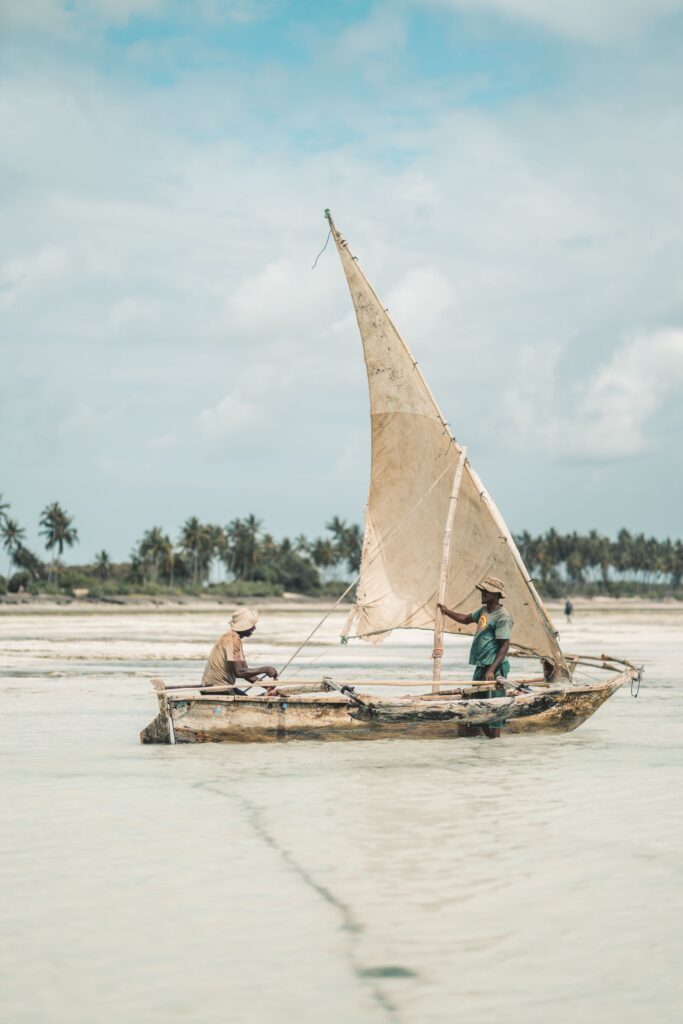
- Dhow cruises
- Fishing trips
- Sandbank excursions
- Dolphin excursions
- Kitesurfing
- Sailing
- Boat transfers
Before booking an excursion, ask questions about the operator, equipment, weather conditions, life jackets, and emergency procedures.
Do not board a boat if you believe it is dangerously overcrowded or poorly maintained.
The FCDO warns travelers to exercise caution with sea and ferry travel in Tanzania and notes that there have been serious ferry accidents in recent years.
When traveling between Dar es Salaam and Zanzibar by ferry, use an established operator and follow instructions from the crew.
5. Transportation Safety in Zanzibar
Transportation deserves attention when planning a Zanzibar holiday.
Road conditions, driving standards and traffic can present risks. International travel advice notes that road users in Tanzania may drive unpredictably and that serious road accidents occur.
For visitors, one practical option is to arrange transportation through:
- Your hotel
- A reputable tour operator
- A licensed driver
- An established transfer company
If you are booking airport transfers, arrange them before arrival whenever possible.
If you are renting a vehicle, make sure you understand the local licensing requirements and insurance arrangements.
6. Be Careful at Night
Nighttime requires more caution than daytime, especially if you are unfamiliar with an area.
Avoid walking alone on isolated beaches or poorly lit roads late at night.
The FCDO specifically advises travelers to avoid walking or cycling alone at night and reports that the incidence of crime can be higher at night.
Instead:
- Use your hotel’s transportation service.
- Arrange a reputable taxi.
- Travel with companions.
- Stay in well-used areas.
- Keep your phone charged.
- Let someone know where you are going.
These are simple precautions that can make your evening activities more comfortable.
7. Safety for Solo Travelers
Zanzibar can be appealing to solo travelers, but independent travelers should take additional care with transportation, nightlife, accommodation and evening activities.
If you are traveling alone:
- Choose reputable accommodation.
- Share your itinerary with someone you trust.
- Avoid accepting rides from strangers.
- Keep emergency numbers available.
- Avoid walking alone at night.
- Keep your valuables secure.
- Use organized excursions for unfamiliar activities.
- Follow local advice about areas to avoid.
Female travelers should also be aware that official travel advice reports incidents of harassment involving women traveling alone or in small groups.
8. Zanzibar Safety for Families
Families can plan enjoyable Zanzibar holidays by choosing accommodation and activities carefully.
Parents should pay particular attention to:
- Swimming areas
- Ocean currents
- Boat excursions
- Sun exposure
- Hydration
- Food and water hygiene
- Road transportation
- Children’s identification and emergency contacts
If traveling with young children, choose accommodation with suitable facilities and ask about beach conditions before allowing children into the water.
Do not assume that calm-looking ocean water is always free from currents.
9. Respect Zanzibar’s Local Culture
Zanzibar has a strong Muslim cultural tradition, particularly outside major beach resorts.
Respecting local customs is one of the most important ways visitors can have a positive experience.
Dress modestly when visiting:
- Stone Town
- Villages
- Markets
- Religious sites
- Local communities
Beachwear is appropriate at many beach resorts, but visitors should cover up when leaving the beach environment.
The FCDO advises travelers to respect local traditions, customs, laws and religions and notes that revealing clothing away from tourist resorts can cause offence.
During Ramadan, travelers should be particularly respectful of local customs.
10. Photography and Local Sensitivity
Zanzibar offers countless opportunities for photography, but ask permission before photographing people, especially children or individuals in local communities.
Travelers should also be cautious about photographing government facilities, police, military installations and other sensitive locations.
The U.S. Department of State advises travelers in Tanzania that photographing military installations, government buildings, bridges, airports and police officers can be illegal.
When in doubt, ask before taking a photograph.
11. Is Zanzibar Safe for LGBTQ+ Travelers?
Travelers should understand that Tanzania has restrictive laws regarding same-sex sexual activity.
The U.S. Department of State currently identifies targeting of gay and lesbian individuals as a risk in Tanzania, while the FCDO states that same-sex sexual activity is illegal in Tanzania, including Zanzibar.
LGBTQ+ travelers should review current official travel advice and consider local laws and social norms carefully before traveling.
This is an important part of responsible trip planning.
12. Travel Insurance for Zanzibar
Travel insurance is an important part of planning an international trip.
In addition to your normal travel insurance, Zanzibar currently requires visitors to have mandatory inbound travel insurance issued through the Zanzibar Insurance Corporation.
The Zanzibar Insurance Corporation states that mandatory inbound travel insurance is required for visitors entering Zanzibar, even if they already have another travel or medical insurance policy.
The current ZIC information lists the inbound policy as covering visitors for medical emergencies, accidents and other unforeseen events during their stay.
Travelers should check the latest official requirements before departure because fees, coverage and entry rules can change.
It is also sensible to maintain separate comprehensive travel insurance that covers the full range of your trip, particularly if you are combining Zanzibar with a safari or participating in activities such as diving.
13. Health and Medical Preparation
Before traveling to Zanzibar, speak with an appropriate medical professional about your individual travel-health needs.
Depending on your itinerary, medical history and activities, you may need advice regarding vaccinations, malaria prevention, food and water precautions, medications and other health considerations.
Pack:
- Prescription medications
- Basic first-aid supplies
- Sunscreen
- Insect repellent
- Hand sanitizer
- Reusable water bottle
- Any personal medical documentation
Do not wait until the day before departure to address important health preparations.
14. What About Mosquitoes?
Zanzibar is a tropical destination, so mosquitoes are part of the environment.
Use practical protection such as:
- Insect repellent
- Long sleeves in the evening
- Long trousers when appropriate
- Air-conditioned or screened accommodation
- Mosquito nets where provided
Ask a qualified travel-health professional about malaria prevention and other destination-specific health recommendations before traveling.
15. Food and Drinking Water
Travelers should take sensible food and water precautions.
Choose established restaurants and hotels with good hygiene practices.
If you are uncertain about the local water supply, ask your accommodation provider which water is safe to drink.
Be cautious with:
- Unwashed produce
- Food that has been sitting out for long periods
- Ice from uncertain sources
- Poorly handled seafood
Good food hygiene can help reduce the chance of spending your holiday dealing with stomach problems.
16. What Should You Do in an Emergency?
Save important contacts before traveling.
The current FCDO Tanzania guidance lists 112 as the emergency telephone number for ambulance, fire and police services.
You should also keep:
- Your accommodation’s phone number
- Your tour operator’s contact
- Your travel insurance details
- Your embassy or consulate information
- Your airline information
- Copies of your passport and important documents
Keep both digital and offline copies of important information.
17. Avoid Demonstrations and Large Political Gatherings
Travelers should stay away from demonstrations, rallies and political gatherings.
Current UK travel advice notes that demonstrations can occur in Tanzania and that protests in Zanzibar have historically resulted in violence. It recommends avoiding demonstrations and monitoring local information for disruptions.
If you encounter a demonstration unexpectedly, do not stop to watch or photograph it. Leave the area and follow local instructions.
18. Choose a Reputable Tour Operator
One of the easiest ways to improve your travel experience is to work with a reputable local tour operator.
This can be particularly useful when arranging:
- Airport transfers
- Safari connections
- Boat excursions
- Island tours
- Snorkeling
- Diving
- Cultural experiences
- Stone Town tours
- Zanzibar accommodation
A professional operator can help coordinate transportation, guides, accommodation and activities while giving travelers local logistical support.
At Eve On Safari, we can help travelers combine Zanzibar with Tanzania safari experiences and create an itinerary around their travel dates, interests and preferred travel style.
Zanzibar Safety Checklist
Before leaving home, make sure you have:
Documents
- Passport
- Visa or required entry documentation
- Travel insurance
- Zanzibar inbound travel insurance
- Copies of important documents
Money
- Cards
- Some local currency
- Emergency funds
Health
- Prescription medication
- First-aid supplies
- Sunscreen
- Insect repellent
Safety
- Emergency numbers
- Hotel contact information
- Tour operator contact
- Offline maps
- Charged phone
- Portable power bank
Clothing
- Beachwear for resorts
- Modest clothing for towns and villages
- Comfortable walking shoes
- Sun protection
So, Is Zanzibar Safe?
Zanzibar should not be described as completely risk-free. Like any international destination, it has risks involving crime, transportation, ocean activities, local laws, health and changing security conditions.
However, travelers can reduce many avoidable risks by preparing properly, using reputable transportation and tour operators, securing their valuables, avoiding isolated areas at night, respecting local customs, following water-safety guidance and staying informed about current travel advice.
The most important thing is to travel with awareness rather than fear.
Zanzibar offers beaches, marine life, history, culture, food, warm hospitality and unforgettable experiences. With thoughtful preparation, travelers can focus on enjoying what makes the island special while taking sensible steps to protect themselves and their belongings.
Planning a Safe Zanzibar Holiday with Eve On Safari
Planning your Zanzibar trip does not have to be complicated.
Eve On Safari can help you organize a personalized Tanzania itinerary that combines Zanzibar with safari destinations such as the Serengeti, Ngorongoro Crater and Tarangire.
Your trip can include:
- Zanzibar beach holidays
- Stone Town tours
- Snorkeling
- Diving
- Spice tours
- Dhow cruises
- Cultural experiences
- Tanzania safari
- Safari and Zanzibar combinations
- Airport transfers
- Accommodation planning
Whether you are planning a honeymoon, family vacation, couples getaway, solo adventure or Tanzania safari extension, we can help you create an itinerary that fits your travel plans.
Start planning your Tanzania adventure with Eve On Safari.
Learn more: https://eveonsafari.com/
Final Safety Reminder
Travel advice can change. Before departure, check the latest information from your government, the relevant Tanzanian authorities, your airline, accommodation provider and travel insurance company.
This article provides general travel information and should not replace official government advice or professional medical guidance.