Family Safari in Tanzania: Is It Safe for Kids?
Focus Keyword: family safari in Tanzania
Planning a family adventure is exciting, but parents naturally have an important question before booking: Is a family safari in Tanzania safe for kids?
The answer depends on how the safari is planned, the ages of the children, the destinations you choose and the activities included in your itinerary. A well-organized safari with an experienced guide, suitable accommodation and a private vehicle can be a wonderful way for families to experience Tanzania together.
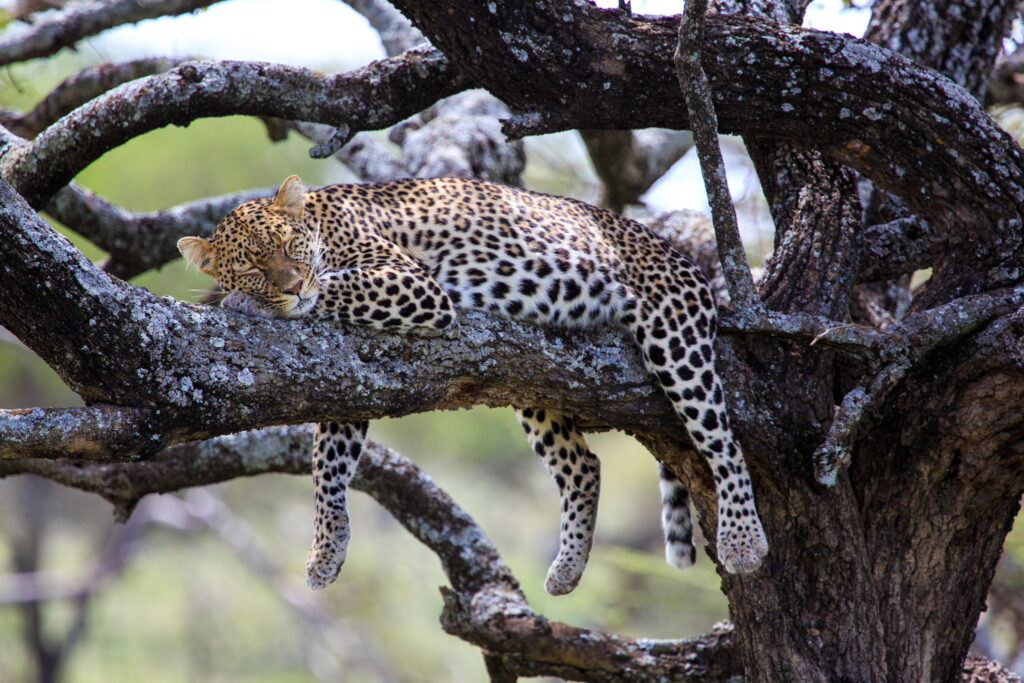
Tanzania’s national parks are home to incredible wildlife, including elephants, lions, giraffes, zebras, buffalo and many bird species. Destinations such as Serengeti National Park, Tarangire National Park and the Ngorongoro area can turn a family holiday into an exciting outdoor learning experience. TANAPA identifies game viewing as a major activity in Serengeti and highlights Tarangire for its large elephant populations and baobab landscapes.
However, a safari is not a normal sightseeing holiday. Families are visiting protected wilderness areas where wild animals must always be treated with respect. The key to a safe family safari is following the instructions of your professional guide and the rules of the national park.
Is a Family Safari in Tanzania Safe?
A family safari in Tanzania can be a safe and rewarding experience when appropriate precautions are followed.
TANAPA’s park safety guidance emphasizes that wild animals are dangerous and visitors should not approach them too closely. Visitors are also instructed to remain within designated areas, avoid loud noises and follow game-driving rules.
For families, this means children should never be allowed to wander away from adults at a lodge, campsite, picnic area or wildlife viewing location.
During game drives, children should remain inside the safari vehicle unless the guide has specifically indicated that it is safe to leave the vehicle at a designated location.
Tarangire’s visitor guidance is particularly clear about remaining in vehicles except at designated points and following ranger or guide instructions. It also advises visitors to maintain generous distances from elephants and buffalo and never block animal paths.
What Age Is Best for a Tanzania Family Safari?
There is no single age that works for every family.
Babies and very young children can travel, but parents need to consider long drives, meal schedules, accommodation arrangements and the child’s ability to remain comfortable during game drives.
Children around school age often become particularly interested in safari because they can recognize animals, ask questions and understand basic wildlife-safety rules.
Older children and teenagers may enjoy an even wider range of experiences, including photography, birdwatching, cultural activities and longer game drives.
Instead of asking only, “What is the minimum age?”, consider:
- How long can your child comfortably sit in a vehicle?
- Does your child enjoy animals and nature?
- Can they follow safety instructions?
- How well do they handle early mornings?
- Are they comfortable with changes in accommodation?
- Would a private safari make the trip easier?
Your safari itinerary should be designed around your family rather than trying to copy an adult-focused safari.
Why a Private Safari Can Be Good for Families
A private safari vehicle can make a major difference when traveling with children.
Family members can have different energy levels, interests and schedules. With a private vehicle, the itinerary can be more flexible than a group safari.
For example, if younger children become tired after several hours of wildlife viewing, your guide can discuss returning to the lodge. If everyone is excited about watching a particular animal, you can potentially spend more time at the sighting.
A private safari also gives parents more control over the pace of the trip.
Best Tanzania Safari Destinations for Families
Tarangire National Park
Tarangire is an excellent destination to consider when planning a family safari in Tanzania.
The park is famous for elephants and enormous baobab trees. TANAPA describes it as a year-round wildlife destination and notes its concentration of elephants.
For children, elephants, giraffes, zebras and birds can make game drives especially engaging.
Tarangire also works well as an early safari destination because families can begin experiencing Tanzania’s wildlife without immediately committing to the longest possible itinerary.
Serengeti National Park
The Serengeti is one of Tanzania’s most famous safari destinations.
TANAPA highlights its large mammal migration and diverse wildlife, including lions, leopards, elephants, buffalo and rhinos.
For children who love animals, the Serengeti can become an enormous outdoor classroom.
A guide can explain animal behavior, tracks, birds, ecosystems and conservation while the family explores the park.
Ngorongoro Conservation Area
Ngorongoro can add dramatic landscapes and wildlife to a family itinerary.
The area can also be combined with cultural and educational experiences, allowing children to learn about both nature and communities.
Lake Manyara National Park
Lake Manyara can also be included in a northern Tanzania family itinerary. Its varied habitats provide opportunities to see elephants, giraffes, monkeys, birds and other wildlife.
Wildlife Safety: The Most Important Rule
The most important lesson for children on safari is simple:
Wild animals are not pets.
Even animals that appear calm can be unpredictable.
Parents should teach children to:
- Stay quiet during wildlife encounters.
- Never feed animals.
- Never call or tease wildlife.
- Remain inside the safari vehicle unless instructed otherwise.
- Listen immediately when the guide gives an instruction.
- Never run toward an animal.
- Stay close to parents and guides.
- Ask before taking photographs outside the vehicle.
TANAPA specifically advises visitors not to approach wild animals too closely and to avoid shouting or loud music.
These rules should become part of the adventure rather than something that frightens children.
Are Walking Safaris Safe for Children?
Walking safaris require additional consideration.
TANAPA guidance states that walking safaris take place on designated trails and are accompanied by an armed ranger.
However, walking activities may have their own age, fitness and park-specific requirements.
For younger children, a traditional vehicle-based game drive may be a more appropriate starting point. Families interested in walking activities should confirm the current requirements with their safari operator and park authority before booking.
How to Make Long Game Drives Easier for Kids
Game drives can sometimes last several hours, so preparation matters.
Bring:
- Water bottles
- Healthy snacks
- Hats
- Sunglasses
- Sunscreen
- Binoculars
- Small backpacks
- Cameras or child-friendly photography equipment
- Books or wildlife guides
- Comfortable clothing
Parents can also make drives more engaging by turning wildlife viewing into a game.
For example, children can keep a list of animals they see, identify different bird species or learn to recognize animal tracks.
This transforms waiting between sightings into part of the experience.
Choose Family-Friendly Accommodation
Accommodation is another important consideration.
Families should ask whether the lodge or camp offers:
- Family rooms or interconnected rooms
- Child-friendly meals
- Private tents or cottages
- Swimming pools
- Babysitting services
- Family activities
- Flexible meal times
- Safe outdoor areas
Always tell the safari company the ages of your children before accommodation is selected.
Some camps are designed primarily for adults, while others are more suitable for families.
Health and Practical Preparation
Before traveling, parents should discuss the trip with an appropriate healthcare professional, particularly regarding vaccinations, malaria prevention and any medications needed for the destination.
Pack a small family travel kit containing commonly needed personal medications, sunscreen, insect repellent and basic first-aid supplies.
It is also important to carry sufficient drinking water during safari activities. TANAPA’s Tarangire visitor guidance specifically recommends carrying enough water, sun protection and insect repellent.
How Long Should a Family Safari Be?
Longer does not always mean better.
For younger children, a carefully designed 5- to 7-day Tanzania family safari can provide plenty of wildlife experiences without making the trip unnecessarily tiring.
A sample itinerary could include:
Day 1: Arusha arrival
Day 2: Tarangire National Park
Day 3: Ngorongoro Highlands
Day 4: Ngorongoro Crater
Days 5–6: Serengeti National Park
Day 7: Departure or continue to Zanzibar
Families with older children may prefer a longer itinerary that includes additional time in the Serengeti or a Zanzibar beach extension.
Can You Combine a Tanzania Safari With Zanzibar?
Absolutely.
A safari followed by Zanzibar can be an excellent family holiday combination.
After several days of early mornings and wildlife drives, families can slow down on the coast. Depending on the children’s ages and interests, Zanzibar can include beach time, snorkeling, cultural experiences and visits to Stone Town.
This creates a holiday with both adventure and relaxation.
Family Safari Budget
The cost of a family safari depends on several factors, including:
- Number of travelers
- Children’s ages
- Accommodation category
- Safari duration
- Private or shared vehicle
- Parks visited
- Domestic flights
- Activities
- Travel season
TANAPA publishes park tariffs with different visitor categories and child rates, so families should check the current official tariff information when budgeting.
Your safari company can also help structure the itinerary so that the budget is concentrated on the experiences that matter most to your family.
Tips for a Stress-Free Family Safari
Before departure, keep these tips in mind:
- Choose a private safari when possible.
- Avoid packing too many destinations into one itinerary.
- Choose accommodation carefully.
- Tell your safari planner the children’s exact ages.
- Build rest time into the itinerary.
- Carry snacks and water.
- Bring binoculars for children.
- Teach wildlife-safety rules before the trip.
- Follow your guide’s instructions at all times.
- Leave time for fun and relaxation.
Final Thoughts: Is Tanzania Good for a Family Safari?
A family safari in Tanzania can be an unforgettable experience for parents and children when the itinerary is designed around the family’s needs.
The combination of wildlife, landscapes, culture and adventure creates opportunities for children to learn outside the classroom while spending meaningful time with their parents.
Safety should always come first. Families should use experienced guides, follow TANAPA regulations, remain at safe distances from wildlife and keep children supervised throughout the safari. TANAPA’s current visitor guidance emphasizes these principles across Tanzania’s national parks.
For a first family safari, consider combining Tarangire, Ngorongoro and Serengeti, then adding Zanzibar if your family has enough time.
With the right planning, comfortable accommodation and a flexible itinerary, Tanzania can provide your family with stories, photographs and memories that last long after the safari ends.
Ready to plan your family safari in Tanzania? Contact Eve On Safari to create a private family itinerary based on your children’s ages, interests, travel dates and budget.