Best Time of Year to Climb Kilimanjaro: A Month-by-Month Guide
Mount Kilimanjaro can be climbed throughout the year, but the weather varies considerably between months. Choosing the best time of year to climb Kilimanjaro can affect trail conditions, visibility, rainfall, temperatures, and how busy the mountain is.
Tanzania National Parks identifies June–October and December–March as popular periods because skies are often clearer, while April and May typically experience heavier rains.
For most trekkers, the two main climbing windows are January–March and June–October.
January to February: Short Dry Season
January and February are part of Kilimanjaro’s shorter dry period. These months can provide relatively dry trails and good visibility, although weather at high altitude remains unpredictable.
This period can be attractive for travelers who want to climb outside the busiest July and August period.
What to expect:
- Generally drier conditions
- Good opportunities for clear mountain views
- Moderate numbers of climbers
- Cold summit temperatures
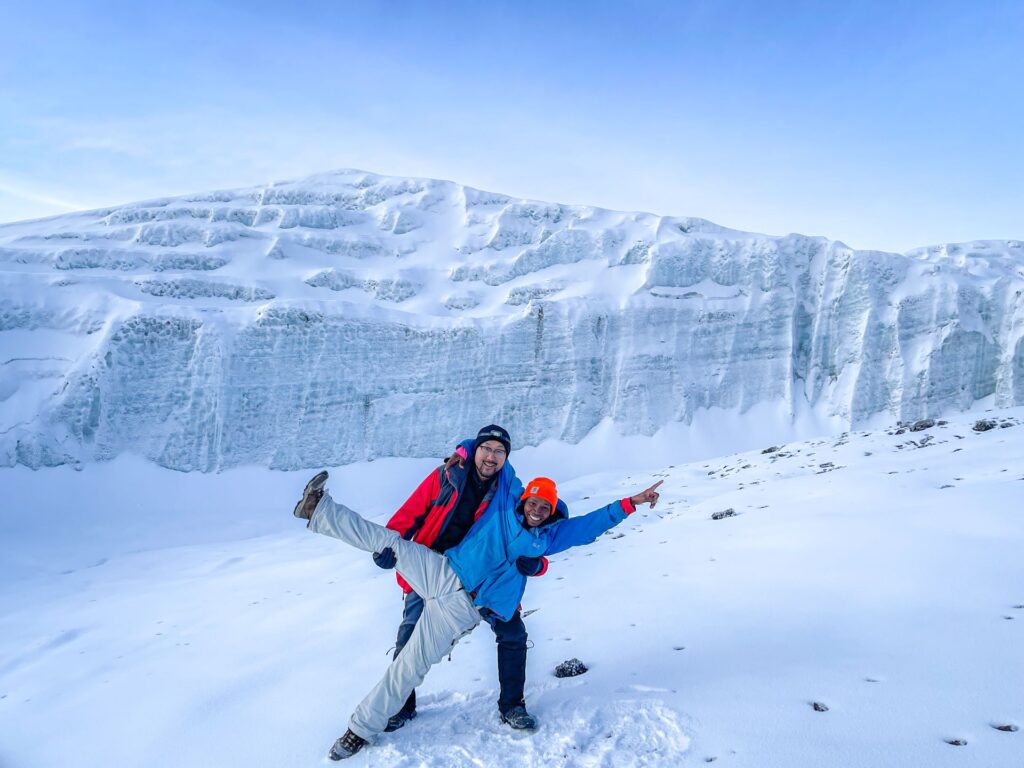
- Possible cloud or snow at higher elevations
February is also a good month to combine a Kilimanjaro trek with other Tanzania experiences.
March: A Transition Month
March can be more variable. Early March may still provide reasonable trekking conditions, while rainfall generally becomes more frequent as the month progresses.
If you’re planning a March climb, flexibility can be useful because mountain weather can change quickly.
April and May: Long Rains
April and May are generally associated with Tanzania’s long rainy season.
On Kilimanjaro, rain can make lower trails muddy and slippery, while cloud cover can reduce visibility. Conditions at higher elevations can also include snow and ice.
TANAPA notes that many visitors avoid April and May because of the heavy rains, although climbing remains possible with appropriate clothing and equipment.
For travelers considering these months, route selection and proper preparation become particularly important.
June: The Main Dry Season Begins
June marks the beginning of the main dry-season climbing period.
Rainfall generally decreases, trails begin to dry, and visibility can improve. Temperatures at higher elevations remain cold, particularly during the summit attempt.
June can therefore be a useful option for trekkers looking for dry-season conditions.
July and August: Popular Peak Period
July and August are among the busiest months on Kilimanjaro.
The main dry season generally brings clearer skies and firmer trails, but popular routes can have more trekkers and busy camps.
If you’re planning a July or August climb, booking your preferred route and dates well in advance can be helpful.
September: Dry Season Conditions
September remains within the main dry season and generally offers good trekking conditions.
For travelers considering their timing, September combines the characteristics of the long dry season with conditions that may be less busy than the July–August peak on some routes.
October: End of the Main Dry Season
October can still provide good climbing conditions, particularly earlier in the month.
As the month progresses, weather patterns begin transitioning toward the short rains. Climbers should therefore be prepared for changing conditions.
November: Short Rains
November is associated with Tanzania’s short rainy season.
Rainfall can make trails wetter, particularly in the lower forest areas. However, Kilimanjaro remains climbable, and some travelers choose this period because there are generally fewer trekkers.
December: Changing Conditions
December can offer a mixture of conditions as the mountain moves from the short rainy period toward the shorter dry season.
The second half of December is also a popular holiday period, so travelers should consider booking early if they want specific routes or dates.
Kilimanjaro Climbing Seasons at a Glance
| Period | Typical Conditions | What to Consider |
|---|---|---|
| January–February | Generally dry | Good visibility, moderate crowds |
| March | Transitional | Increasing possibility of rain |
| April–May | Long rains | Wet and muddy trails |
| June | Dry season begins | Improving conditions |
| July–August | Dry and popular | Busy routes and camps |
| September | Dry | Good visibility and trekking conditions |
| October | Generally dry | Increasing weather variability |
| November | Short rains | Wetter trails, fewer climbers |
| December | Variable | Conditions improve toward year-end |
What Is the Best Month to Climb Kilimanjaro?
There isn’t one month that is ideal for every traveler. The choice depends on what matters most to you.
If your priority is drier weather and clearer visibility, the two main dry-season windows—January–March and June–October—are generally the periods most considered for climbing.
If you prefer to travel during a quieter period, some shoulder or rainy-season months can have fewer trekkers, but you should be prepared for a greater chance of rain and changing trail conditions.
Does the Season Affect Kilimanjaro’s Difficulty?
Weather can influence the trekking experience, but acclimatization and itinerary length are also important considerations.
A longer itinerary allows more time for gradual ascent and adjustment to altitude. Your preparation, pacing, hydration, equipment, and guide support also matter.
Kilimanjaro reaches 5,895 metres (19,341 feet), so conditions can change dramatically as you move from the lower forest to the summit.
What Should You Pack for Different Seasons?
Your packing list should account for the possibility of changing weather regardless of when you climb.
Essential categories include:
- Waterproof hiking jacket
- Warm insulating jacket
- Thermal base layers
- Hiking trousers
- Moisture-wicking clothing
- Warm hat and gloves
- Broken-in hiking boots
- Headlamp
- Water bottles or hydration system
- Sleeping bag suitable for cold temperatures
- Sunglasses and sunscreen
- Trekking poles
- Personal medication and first-aid supplies
For a detailed checklist, link this article to your Eve On Safari guide:
What to Pack for Kilimanjaro:
https://eveonsafari.com/what-to-pack-for-kilimanjaro/
Final Thoughts
The best time of year to climb Kilimanjaro generally falls within the mountain’s two drier periods: January–March and June–October. The main June–October season is particularly popular, while January and February provide another commonly used climbing window.
However, there is no completely predictable month on a mountain as high as Kilimanjaro. Good preparation, appropriate clothing, a suitable route, gradual acclimatization, and a professional mountain crew are essential whatever dates you choose.
Planning your Kilimanjaro adventure? Contact Eve On Safari to start building your Tanzania trekking itinerary.