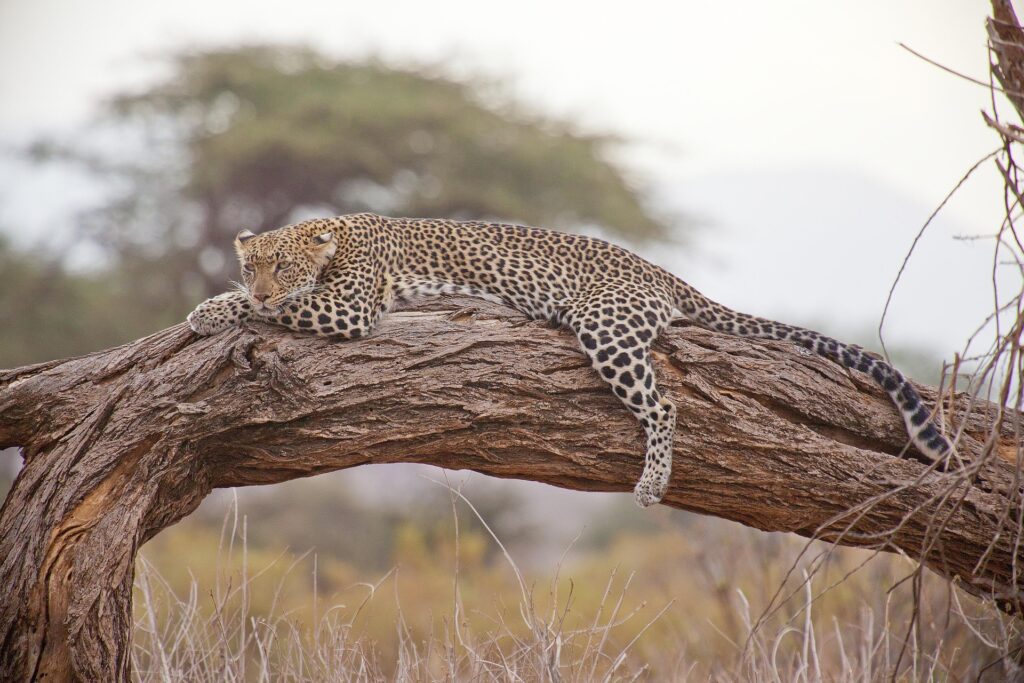
If you’re planning a Tanzania safari and wondering about Central vs Northern Serengeti, you’re already asking one of the most important questions when designing your itinerary.
The Serengeti is enormous, and different regions offer different safari experiences. Central Serengeti, particularly the Seronera area, is famous for exceptional year-round wildlife viewing, abundant big cats, good accessibility and a wide choice of accommodation. Northern Serengeti, meanwhile, is known for dramatic landscapes, fewer visitors and its importance during the Great Migration, particularly around the Mara River.
So, which one should you choose?
The answer depends on what you want from your safari.
If your priority is reliable year-round wildlife and big cats, Central Serengeti may be the better choice. If your dream is to experience the Great Migration in northern Tanzania, especially the Mara River region, Northern Serengeti could be the ideal destination.
In this guide, we’ll compare Central Serengeti vs Northern Serengeti in detail so you can choose the region that best matches your travel dates, interests and safari style.
Central vs Northern Serengeti at a Glance
| Feature | Central Serengeti | Northern Serengeti |
|---|---|---|
| Main area | Seronera | Lobo, Kogatende, Serengeti Mara |
| Wildlife | Excellent year-round | Excellent, especially in migration season |
| Big cats | Exceptional | Very good |
| Great Migration | Seasonal | Excellent during northern migration |
| Mara River crossings | No | Yes, in the right season |
| Scenery | Open plains, kopjes and river valleys | Hills, woodlands, plains and river landscapes |
| Visitor numbers | Higher around Seronera | Generally quieter |
| Accommodation | Wide range | More limited and often intimate |
| Accessibility | Easier | More remote |
| Best for first-time visitors | Excellent | Excellent for the right itinerary |
| Best migration period | Depends on herd movement | Generally July–October around the Mara area |
| Atmosphere | Classic, wildlife-rich safari | Remote and exclusive wilderness |
Central Serengeti is particularly well known for the Seronera area’s resident wildlife and predator sightings, while Northern Serengeti provides an important migration corridor and can offer a quieter safari experience.
Where Is Central Serengeti?
Central Serengeti is centered around Seronera, in the heart of Serengeti National Park.
Seronera is one of the park’s best-known safari areas and has developed into an important tourism hub, with lodges, campsites, visitor facilities and extensive game-drive opportunities.
The region combines open grasslands, river valleys, kopjes and woodland habitats. This variety supports a large range of wildlife.
One of Central Serengeti’s biggest advantages is that it can provide excellent wildlife viewing throughout the year. The Seronera River area is particularly well known for lions and leopards, while the surrounding plains can be productive for cheetahs and other predators.
Where Is Northern Serengeti?
Northern Serengeti stretches toward the border with Kenya and includes areas such as Lobo and Serengeti Mara, with Kogatende serving as an important access point for the northern migration zone.
Unlike the flatter central plains, Northern Serengeti is characterized by rolling hills, rocky outcrops, woodlands and open grasslands.
It also forms an important ecological corridor connecting the southern grazing areas with the northern dry-season areas used by migrating herds.
The region is generally quieter than Central Serengeti, making it attractive to travellers who want a more remote wilderness experience.
Central Serengeti: What Is It Best Known For?
1. Excellent Year-Round Wildlife
The biggest advantage of Central Serengeti is the quality and consistency of wildlife viewing.
The Seronera area has water available throughout the year and supports a wide variety of habitats. This makes it a strong choice when you don’t want your entire safari to depend on the location of the Great Migration.
Even when the migrating herds are elsewhere, resident wildlife remains in the area.
This makes Central Serengeti particularly attractive for first-time safari travellers.
2. Exceptional Big-Cat Viewing
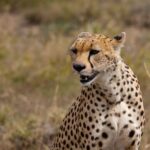
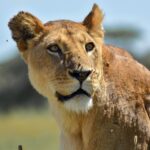
If seeing lions, leopards and cheetahs is high on your safari wish list, Central Serengeti deserves serious consideration.
The Seronera River area is especially known for leopard sightings, while the surrounding plains are good habitat for cheetahs.
Lions are also frequently encountered around the river, kopjes and surrounding grasslands.
For travellers who are passionate about predators, Central Serengeti is difficult to beat.
3. More Accommodation Choices
Central Serengeti has a broader range of accommodation than many remote parts of Northern Serengeti.
You can find different styles of camps and lodges, from larger properties to smaller tented camps.
This makes Central Serengeti easier to incorporate into itineraries with different budgets and accommodation preferences.
4. Easier Access
Because Seronera is one of the main tourism hubs in the Serengeti, it is generally easier to access than more remote northern areas.
This can be an important consideration if you’re working with a shorter itinerary.
Instead of spending a large amount of your safari time travelling between regions, you can base yourself in Central Serengeti and spend more time on game drives.
Central Serengeti: What Are the Downsides?
Central Serengeti is popular for a reason, but popularity comes with a trade-off.
The area around Seronera can become busy, especially when a major predator sighting occurs.
A lion or leopard sighting may attract multiple safari vehicles because Seronera is one of the park’s most accessible and wildlife-rich areas.
If solitude is your number-one priority, you may prefer Northern Serengeti or another less-visited part of the ecosystem.
However, choosing a more remote camp within Central Serengeti can help reduce the feeling of being in a busy tourism hub.
Northern Serengeti: What Is It Best Known For?
1. The Great Migration
Northern Serengeti is one of the most important areas for travellers following the Great Migration.
The Serengeti Mara region, in particular, becomes highly significant when migrating wildebeest reach the northern part of the ecosystem.
The Mara River is one of the major obstacles encountered during the migration, and the area can provide extraordinary wildlife viewing when the herds are present.
For many travellers, this is the main reason to choose Northern Serengeti.
2. Mara River Crossings
The famous Mara River crossings are one of Africa’s most dramatic wildlife spectacles.
During the migration period, wildebeest and zebra may gather near the river before attempting to cross.
The Serengeti Mara region is generally associated with migration activity from approximately July to September, although timing is highly unpredictable.
This is extremely important when planning your safari:
A Mara River crossing cannot be guaranteed.
The migration responds to rainfall, grazing conditions and other natural factors. Herds can remain in one area, change direction or cross the river at a different location.
Therefore, your safari should be planned around the possibility of seeing a crossing rather than a promise that one will happen on a specific day.
3. Fewer Visitors and a More Remote Atmosphere
One of Northern Serengeti’s biggest advantages is its sense of wilderness.
The northern region is generally quieter than the central Seronera area. In some areas, you may spend a game drive encountering very few other safari vehicles.
For photographers, honeymooners, couples and experienced safari travellers, this can be a major advantage.
Imagine stopping your vehicle on a hill overlooking the Serengeti with nothing but grasslands, woodland and wildlife stretching toward the horizon.
That feeling of space is one of Northern Serengeti’s greatest attractions.
4. Beautiful and Diverse Landscapes
Northern Serengeti doesn’t look exactly like the classic open plains many people imagine when they think of the Serengeti.
The landscape around Lobo and northern Serengeti includes rolling hills, woodlands, rocky areas and grasslands.
This diversity makes Northern Serengeti particularly attractive for landscape photography.
The Lobo area is also known for elephants and large lion prides, while other predators such as cheetahs, leopards and hyenas can also be encountered.
Northern Serengeti: What Are the Downsides?
Northern Serengeti is more remote.
That is part of its appeal, but it also means that it may require more travel time or a more carefully planned itinerary.
Wildlife viewing can also be more challenging in some northern areas because vegetation is denser than on the open plains farther south.
Accommodation options are also generally more limited than around Central Serengeti.
For that reason, Northern Serengeti is particularly well suited to travellers who are willing to prioritize location, exclusivity and migration opportunities over convenience.
Central vs Northern Serengeti for Wildlife
Both regions offer excellent wildlife viewing, but they shine in different ways.
Central Serengeti
Central Serengeti is particularly strong for:
- Lions
- Leopards
- Cheetahs
- Hyenas
- Elephants
- Resident wildlife
- Year-round game viewing
Seronera’s combination of water, plains and varied habitats helps support wildlife throughout the year.
Northern Serengeti
Northern Serengeti is particularly strong for:
- Wildebeest
- Zebra
- Lions
- Elephants
- Cheetahs
- Leopards
- Migration-related wildlife experiences
The Serengeti Mara area can be especially rewarding during the July–September migration period.
Winner for year-round wildlife: Central Serengeti
Winner for migration-focused wildlife: Northern Serengeti
Central vs Northern Serengeti for the Great Migration
If your primary objective is the Great Migration, your choice should be based on when you are travelling.
The migration is constantly moving, so no region is “the migration area” all year.
A simplified pattern is:
December–April: Southern Serengeti and Ndutu
May–July: Western Corridor and Grumeti area
July–October: Serengeti Mara and northern areas
October–November: Northern Serengeti and southward movement
These are general patterns rather than fixed dates. Migration movements can change significantly from year to year.
If you’re travelling in August or September
Northern Serengeti becomes particularly attractive if you want to be near the Mara River region.
If you’re travelling outside migration season
Central Serengeti may provide a more dependable wildlife experience because resident animals remain in the area year-round.
Central vs Northern Serengeti for Big Cats
For big cats, Central Serengeti has the advantage.
Seronera is famous for its lion, leopard and cheetah sightings. The Seronera River and surrounding plains create excellent habitat for predators.
Northern Serengeti also supports excellent predator populations. Lobo, for example, is known for large lion prides, while cheetahs, leopards and hyenas can also be encountered.
However, if your safari is primarily about maximizing opportunities to see multiple big-cat species, Central Serengeti is generally the stronger choice.
Winner: Central Serengeti
Central vs Northern Serengeti for Couples and Honeymoons
If you’re planning a honeymoon or romantic safari, Northern Serengeti can be especially appealing.
Its quieter atmosphere and remote wilderness setting can provide a more private experience.
Central Serengeti, however, offers greater convenience and more accommodation choices.
Your decision should therefore depend on whether you value:
Privacy and wilderness: Northern Serengeti
Convenience and accommodation choice: Central Serengeti
For honeymooners with enough time, combining both regions can provide the best of both worlds.
Central vs Northern Serengeti for Families
For families, Central Serengeti can be easier to plan because of its accessibility and wider selection of accommodation.
It can also be a practical choice for shorter Tanzania safari itineraries.
Northern Serengeti is an excellent option for families who want a more remote experience and have enough time for a longer itinerary.
The best choice depends on the children’s ages, safari duration, accommodation requirements and travel style.
Central vs Northern Serengeti for Photographers
Both regions can be excellent for photography.
Choose Central Serengeti for:
- Big-cat photography
- Leopard photography
- Cheetah photography
- Classic Serengeti plains
- Wildlife close to rivers
- Diverse wildlife
Choose Northern Serengeti for:
- Migration photography
- Mara River scenes
- Landscapes
- Hills and kopjes
- Elephants
- Less crowded photographic locations
If you’re specifically chasing Mara River crossing photography, Northern Serengeti is the obvious choice.
If you want a broader wildlife photography experience, Central Serengeti may be better.
Central vs Northern Serengeti: Which Has Fewer Tourists?
This is one of the clearest differences.
Central Serengeti, particularly around Seronera, can experience significant vehicle traffic because it is accessible and wildlife-rich.
Northern Serengeti is generally quieter.
The northern region’s remoteness means you can often enjoy longer periods without seeing large numbers of other safari vehicles.
Winner for solitude: Northern Serengeti
Central vs Northern Serengeti: Which Is Easier to Reach?
Central Serengeti generally wins for accessibility.
Seronera is one of the main tourism hubs in the park and is well connected to other safari areas.
Northern Serengeti requires a more deliberate itinerary, particularly if you’re travelling by road from the central or southern parts of the park.
If you only have a few nights in the Serengeti, Central Serengeti may therefore make more sense.
If you have additional time and want a more remote experience, Northern Serengeti becomes more attractive.
How Many Days Do You Need?
Your ideal number of nights depends on the experience you want.
2–3 nights
Central Serengeti is usually the more practical choice.
You can spend more time on game drives rather than travelling long distances between regions.
4–5 nights
Consider combining Central and Northern Serengeti if your travel dates and budget allow.
This gives you opportunities for classic wildlife viewing as well as a more remote northern experience.
6+ nights
A multi-region Serengeti itinerary becomes particularly attractive.
You can follow seasonal wildlife movements rather than staying in one region for the entire trip.
Should You Visit Both Central and Northern Serengeti?
For travellers with enough time, yes.
Combining the two regions gives you two very different sides of the Serengeti.
Central Serengeti offers:
Year-round wildlife + big cats + accessibility
Northern Serengeti offers:
Migration + Mara River + remoteness + landscapes
This combination can be particularly powerful during migration season.
For example, you could begin with several nights around Seronera to focus on resident predators before travelling north toward the Mara region.
The exact route should depend on your travel dates and the current location of the migration.
Central vs Northern Serengeti: Which One Should You Choose?
Here’s the simplest way to decide.
Choose Central Serengeti if:
- This is your first Serengeti safari
- You want excellent year-round wildlife
- Big cats are your priority
- You have a short itinerary
- You want more accommodation options
- Accessibility is important
- You don’t want your safari to depend on migration timing
Choose Northern Serengeti if:
- The Great Migration is your main priority
- You want to experience the Mara River region
- You’re travelling around July–October
- You prefer fewer vehicles
- You want a remote wilderness atmosphere
- You enjoy landscape photography
- You have enough time for a more remote itinerary
Our Verdict: Central or Northern Serengeti?
There isn’t one universal winner.
Central Serengeti is the better all-rounder.
It offers outstanding wildlife viewing, exceptional big-cat opportunities, more accommodation choices and easier access.
Northern Serengeti is the better choice for a migration-focused and more remote safari.
If you’re travelling during the northern migration season and want the possibility of witnessing Mara River crossings, Northern Serengeti should be high on your list.
But if you only have a few days and want to maximize wildlife encounters, Central Serengeti is an excellent choice.
And if you have enough time?
Visit both.
The combination of Central and Northern Serengeti can give you a much richer understanding of this extraordinary ecosystem.
Central vs Northern Serengeti: Quick Decision Guide
| Your Priority | Best Choice |
|---|---|
| First Serengeti safari | Central |
| Year-round wildlife | Central |
| Lions and leopards | Central |
| Cheetahs | Central |
| Short safari | Central |
| More accommodation choices | Central |
| Great Migration | Northern during the right season |
| Mara River crossings | Northern |
| Fewer tourists | Northern |
| Remote wilderness | Northern |
| Migration photography | Northern |
| Landscape photography | Northern |
| Best overall combination | Both |
Frequently Asked Questions
Is Central or Northern Serengeti better?
It depends on your priorities. Central Serengeti is better for year-round wildlife, big cats and accessibility, while Northern Serengeti is better for migration-focused safaris, Mara River opportunities and a quieter wilderness experience.
Is Northern Serengeti worth visiting?
Yes. Northern Serengeti is particularly worthwhile during the migration season and for travellers who prefer remote areas with fewer safari vehicles. The region also has excellent resident wildlife outside migration periods.
Is Central Serengeti good for the Great Migration?
Yes. The migration passes through different parts of the Serengeti throughout the year, and Central Serengeti can experience significant wildlife activity. However, if your main goal is the northern migration and Mara River crossings, Northern Serengeti is the more appropriate region during the relevant season.
When is the best time to visit Northern Serengeti?
For the migration, July to October is an important period, with the Serengeti Mara area particularly significant around July–September. The northern Lobo area can also be important later in the migration cycle. Exact timing varies from year to year.
When is the best time to visit Central Serengeti?
Central Serengeti is a year-round destination for wildlife. The area offers good resident wildlife throughout the year, while seasonal migration movements can add additional wildlife activity at different times.
Can I see the Big Five in Central Serengeti?
Central Serengeti offers opportunities to see lions, leopards, elephants and buffalo, while black rhino can also be encountered. Sightings of any specific species are never guaranteed because wildlife is free to move throughout the ecosystem.
Can I see lions in Northern Serengeti?
Yes. Northern Serengeti, particularly the Lobo area, is known for large lion prides, alongside other predators such as cheetahs, leopards and hyenas.
Can I combine Central and Northern Serengeti?
Absolutely. Combining the two regions is an excellent option for travellers with enough time. It allows you to experience Central Serengeti’s strong resident wildlife and Northern Serengeti’s remote landscapes and migration opportunities.
Final Thoughts
Choosing between Central vs Northern Serengeti isn’t really about finding one region that is better than the other.
It’s about matching the destination to your safari goals.
If you’re looking for big cats, reliable wildlife, easy access and a classic first-time Serengeti experience, choose Central Serengeti.
If you’re looking for the Great Migration, the Mara River, fewer vehicles and a more remote wilderness experience, choose Northern Serengeti during the appropriate season.
And if your schedule allows, don’t make yourself choose.
Combine Central and Northern Serengeti and experience two very different sides of Tanzania’s most famous wildlife destination.
At Eve On Safari, we can help you choose the right Serengeti region based on your travel dates, interests, safari duration and preferred experience.