A Half-Day in Lake Manyara: Is It Enough?
Planning a Tanzania safari often means working with limited time. If your itinerary already includes Tarangire, Ngorongoro and Serengeti, you may wonder whether a half-day in Lake Manyara is enough or whether you should spend a full day in the park.
The short answer is: yes, a half-day can be worthwhile, particularly if you are looking for a taste of Lake Manyara’s diverse landscapes and wildlife rather than an extended safari experience.
is relatively compact compared with some of Tanzania’s larger safari destinations. Its combination of groundwater forest, open woodland, grassy floodplains and the alkaline Lake Manyara creates a remarkably varied environment within a relatively small area.
But whether half a day is enough depends on what you want from your safari.
What Can You See in a Half-Day at Lake Manyara?
Even with only several hours available, you can experience several of the park’s major attractions.
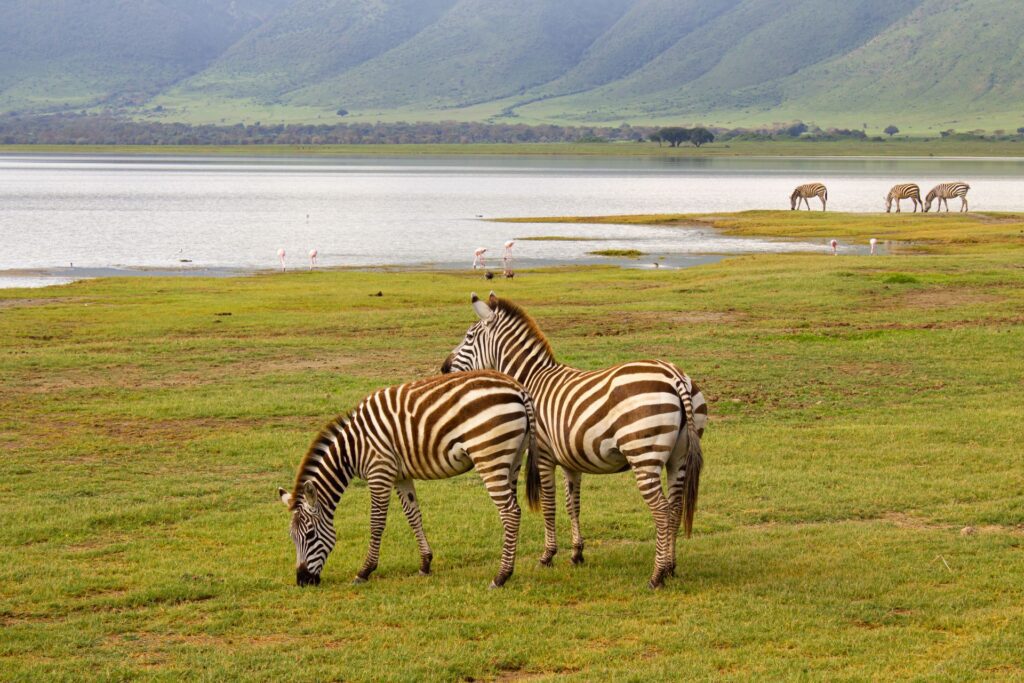
Depending on the season, route and wildlife activity, a game drive may include sightings of:
-
Elephants
-
Buffalo
-
Giraffes
-
Zebras
-
Wildebeest
-
Hippos
-
Baboons
-
Monkeys
-
Antelope
-
Lions
-
Numerous bird species
Lake Manyara is particularly known for its birdlife and diverse habitats.
The park also provides a different experience from the more open plains of the Serengeti. Instead of spending hours crossing expansive grasslands, you can move through forest, woodland and open areas within a relatively short drive.
Why Lake Manyara Works for a Short Safari
One of Lake Manyara’s biggest advantages is habitat diversity.
The park contains several distinct environments, including groundwater forests, acacia woodland, open grasslands and areas associated with the lake.
That means a short game drive can provide considerably more variety than you might expect.
You could begin your drive in lush forest, encounter elephants or baboons, continue toward open plains and eventually reach areas where waterbirds and hippos can be seen.
For travelers with limited time, this variety is one of Lake Manyara’s biggest attractions.
The Groundwater Forest Is a Highlight
One of the first major changes you may notice when entering the park is the vegetation.
The groundwater forest is noticeably different from the dry savanna landscapes found elsewhere in northern Tanzania.
Tall trees create shade, while monkeys and baboons are frequently associated with the forest environment.
The forest also provides a refreshing contrast during a safari, particularly during warmer parts of the day.
Wildlife Around Lake Manyara
The lake itself is another major feature.
Water attracts a wide variety of wildlife, although exactly what you see depends on water levels, season and animal movements.
Hippos can be associated with the lake and wetlands, while birds can be found around the shoreline and surrounding habitats.
During a half-day safari, spending some time around the lake can provide a useful change of scenery from the forest and woodland.
Can You See the Famous Tree-Climbing Lions?
Lake Manyara is famous for its tree-climbing lions.
However, it’s important to keep expectations realistic.
Seeing lions is never guaranteed, and seeing them actually resting in trees is even less predictable. A short visit therefore shouldn’t be planned around the assumption that you will see a tree-climbing lion.
If you do encounter lions resting on branches, it can be an unforgettable safari moment.
But the park has much more to offer than this single attraction.
Is Half a Day Enough for First-Time Visitors?
For a first visit, a half-day can provide a good introduction to Lake Manyara.
It’s particularly suitable when:
-
You have a tight Northern Circuit itinerary.
-
You’re traveling between Arusha and the Ngorongoro area.
-
You want to add another national park without sacrificing a full day elsewhere.
-
You’re interested in landscapes and birdlife as well as big game.
-
You’re combining Lake Manyara with Tarangire or Ngorongoro.
A half-day becomes less suitable if your main goal is to explore the park extensively or spend many hours waiting for specific wildlife sightings.
Morning or Afternoon: Which Is Better?
If you only have half a day, timing matters.
Morning Safari
A morning game drive gives you the advantage of cooler temperatures and potentially active wildlife.
It’s also a good choice if Lake Manyara is part of a longer travel day.
An early start can allow you to enter the park, enjoy several hours of game viewing and then continue toward your next destination.
Afternoon Safari
An afternoon visit can also work, particularly if you’re arriving from another destination.
As the afternoon progresses, the changing light can create beautiful conditions for photography.
However, you’ll have less time before the park closes, so your schedule needs to allow sufficient time for entry, driving and departure.
How Long Do You Actually Need?
There is no universal answer because your ideal duration depends on your priorities.
| Time Available | What It Allows |
|---|---|
| 3–4 hours | Quick introduction and selected areas |
| 5–6 hours | More relaxed half-day safari |
| Full day | Broader exploration and more flexibility |
| 2 days | Deeper exploration with more time for wildlife watching |
For most travelers, five to six hours is a comfortable half-day safari if the logistics work with the rest of the itinerary.
A shorter visit can still be worthwhile, but you’ll need to accept that you cannot explore every part of the park.
Half-Day Lake Manyara vs. Full-Day Safari
The biggest difference isn’t necessarily the number of animals you see.
It’s time and flexibility.
With a full day, your guide can spend longer in productive areas, stop for interesting wildlife behaviour and adjust the route according to sightings.
With a half-day, you have a tighter schedule.
If you encounter elephants just as you’re approaching your departure time, for example, you may not be able to spend as long watching them as you would during a full-day safari.
What About Birdwatching?
If you’re interested in birds, a half-day can still be productive.
Lake Manyara’s combination of forest, woodland, wetlands and lake habitat supports considerable bird diversity.
You may encounter:
-
Flamingos when conditions are suitable
-
Pelicans
-
Storks
-
Herons
-
Egrets
-
Hornbills
-
Kingfishers
-
Raptors
-
Weavers
Bird numbers and species vary according to season and water conditions, so specialist birders may prefer a longer visit.
When Is the Best Time for a Half-Day Visit?
Lake Manyara can be visited throughout much of the year, but seasonal conditions influence the safari experience.
The dry season can make some wildlife easier to locate around remaining water sources, while wetter periods can transform the landscape with greener vegetation and seasonal bird activity.
If your visit is part of a broader Tanzania safari, don’t necessarily choose your Lake Manyara date in isolation. Consider how it fits with the rest of your itinerary.
Should You Skip Lake Manyara If You Only Have Half a Day?
Not necessarily.
If your alternative is no Lake Manyara at all, a well-planned half-day can be a valuable addition to your Tanzania safari.
The park’s appeal comes from its combination of habitats rather than simply its size.
You can experience forest, woodland, open grassland and lake environments within one visit, making it an efficient stop for travelers moving through northern Tanzania.
When a Full Day Is Better
Consider spending a full day at Lake Manyara if:
-
You have a particular animal you want to search for.
-
You are passionate about birdwatching.
-
Photography is a major priority.
-
You prefer slow-paced game drives.
-
You want to explore more of the park.
-
You don’t have a tightly packed itinerary.
More time doesn’t guarantee more sightings, but it gives your guide greater flexibility.
How to Fit Lake Manyara Into a Northern Tanzania Safari
Lake Manyara works particularly well as part of a Northern Circuit safari.
A common itinerary might combine:
Arusha → Tarangire → Lake Manyara → Ngorongoro → Serengeti
However, the exact order can be adjusted according to your travel dates, accommodation and overall safari priorities.
If you already have several days dedicated to the Serengeti and Ngorongoro, a half-day Lake Manyara visit can be an efficient way to experience another ecosystem without adding a full extra day.
Tips for Making a Half-Day Safari Count
Start early when possible
An early start gives you more usable safari time and cooler conditions.
Tell your guide your priorities
If elephants, birds, photography or lions are particularly important to you, let your guide know before entering the park.
Don’t chase a checklist
A half-day isn’t about seeing every possible species. Focus on enjoying the habitats and animal behaviour you actually encounter.
Bring binoculars
They are especially useful for birds and distant wildlife.
Allow time for park logistics
Your safari duration should account for park entry, driving between areas and the journey to your next destination.
Keep your itinerary realistic
Avoid scheduling a very long game drive immediately before a fixed transfer or flight. Safari timings can change depending on wildlife sightings, road conditions and park logistics.
Frequently Asked Questions
Is half a day enough for Lake Manyara?
Yes. A half-day can provide a worthwhile introduction to Lake Manyara, especially for travelers with limited time. However, a full day provides greater flexibility for exploration and wildlife viewing.
How many hours do you need in Lake Manyara?
Around five to six hours can work well for a half-day safari, although the ideal duration depends on your itinerary and travel logistics.
Can you see elephants in Lake Manyara?
Yes. Elephants are among the wildlife species found in Lake Manyara National Park. Sightings naturally depend on season, location and animal movements.
Can you see lions in Lake Manyara?
Lions are present in the park, and Lake Manyara is particularly associated with reports of lions climbing trees. However, wildlife sightings are never guaranteed.
Is Lake Manyara worth visiting?
For travelers interested in experiencing a variety of habitats within a relatively compact park, Lake Manyara can be a worthwhile addition to a Northern Tanzania itinerary.
Should I spend one day or half a day in Lake Manyara?
If your itinerary is tight, half a day can work. If you want a slower safari with more time for wildlife watching, photography or birding, a full day gives you more flexibility.
Final Verdict: Is a Half-Day in Lake Manyara Enough?
Yes — provided you have realistic expectations.
A half-day at Lake Manyara won’t allow you to explore every corner of the park, but it can give you a memorable introduction to its forests, wildlife, lake environment and birdlife.
For travelers following a busy Northern Circuit itinerary, this can be a practical way to experience Lake Manyara without taking too much time away from destinations such as Ngorongoro or Serengeti.
Ultimately, the question isn’t simply “Is half a day enough?”
It’s “What do you want from your Lake Manyara experience?”
If you want a taste of the park’s diverse ecosystems and wildlife, half a day can be enough. If you want a relaxed, immersive safari with maximum flexibility, give Lake Manyara a full day.
For a time-conscious Tanzania safari, a well-planned half-day can be a very worthwhile stop.