Kilimanjaro Summit Success Rate: How to Improve Your Odds
If you are planning to climb Mount Kilimanjaro, one of the most important questions is: What is the Kilimanjaro summit success rate, and how can you improve your chances of reaching Uhuru Peak?
Kilimanjaro stands at 5,895 metres (19,341 feet), and altitude—not simply physical fitness—is one of the biggest challenges climbers face. Research on trekkers has found a substantial risk of acute mountain sickness (AMS), showing why acclimatization and itinerary design matter.
What Is the Kilimanjaro Summit Success Rate?
There is no single reliable success rate for every Kilimanjaro climber. Results vary according to route, itinerary length, acclimatization profile, operator practices, weather, and the individual climber.
For example, a published study of 181 trekkers on the Marangu Route found that 61.3% reached the summit, while 77% experienced AMS during the study. Importantly, this was a specific research group and itinerary and should not be treated as the success rate for Kilimanjaro as a whole.
This distinction is important when comparing success-rate claims from different trekking companies: always check the route, number of days, sample size, and time period behind the percentage.
1. Choose a Longer Itinerary
One of the most practical ways to improve your chances is to allow your body more time to adapt to altitude.
A rushed itinerary can take you from the base of the mountain to nearly 5,900 metres in only a few days. Longer routes provide additional nights and opportunities for gradual acclimatization.
Current Kilimanjaro route guidance emphasizes that longer itineraries generally provide a more gradual ascent profile.
When planning your trip, compare:
- Number of days on the mountain
- Daily elevation gain
- Sleeping elevations
- Acclimatization days
- Opportunities to climb high and sleep lower
- Summit-night profile
2. Understand Acclimatization
Acclimatization is more important than simply being physically strong.
At high altitude, the amount of oxygen available to your body decreases. Your body needs time to adjust to the reduced oxygen pressure.
A useful principle used in altitude trekking is:
“Climb high, sleep low.”
This involves hiking to a higher elevation during the day and descending to a lower elevation to sleep when the itinerary allows.
This is one reason route and itinerary design should be considered carefully before booking your climb.
3. Select Your Route Carefully
Kilimanjaro has several established ascent routes, and they don’t all provide the same acclimatization profile.
Longer versions of routes such as Lemosho, Northern Circuit, and Machame can provide more time for gradual altitude adjustment. Current route information identifies differences in duration and acclimatization profiles among the routes.
When comparing routes, don’t look only at the price or number of days saved.
Ask:
How quickly does the route gain altitude?
A cheaper, shorter itinerary may mean less time for your body to adapt.
4. Train Before Your Climb
Good physical preparation won’t prevent altitude sickness, but it can help you handle the physical demands of trekking.
Your training should include:
Cardiovascular endurance
- Long walks
- Hiking
- Stair climbing
- Incline treadmill sessions
- Cycling
- Running, if appropriate for your fitness level
Leg strength
- Squats
- Lunges
- Step-ups
- Hill walking
- Glute exercises
Core strength
- Planks
- Side planks
- Controlled abdominal exercises
Hiking practice
Gradually increase the length of your hikes and become comfortable walking for several hours.
You can also practice using the backpack, boots, trekking poles, and clothing you’ll use on Kilimanjaro.
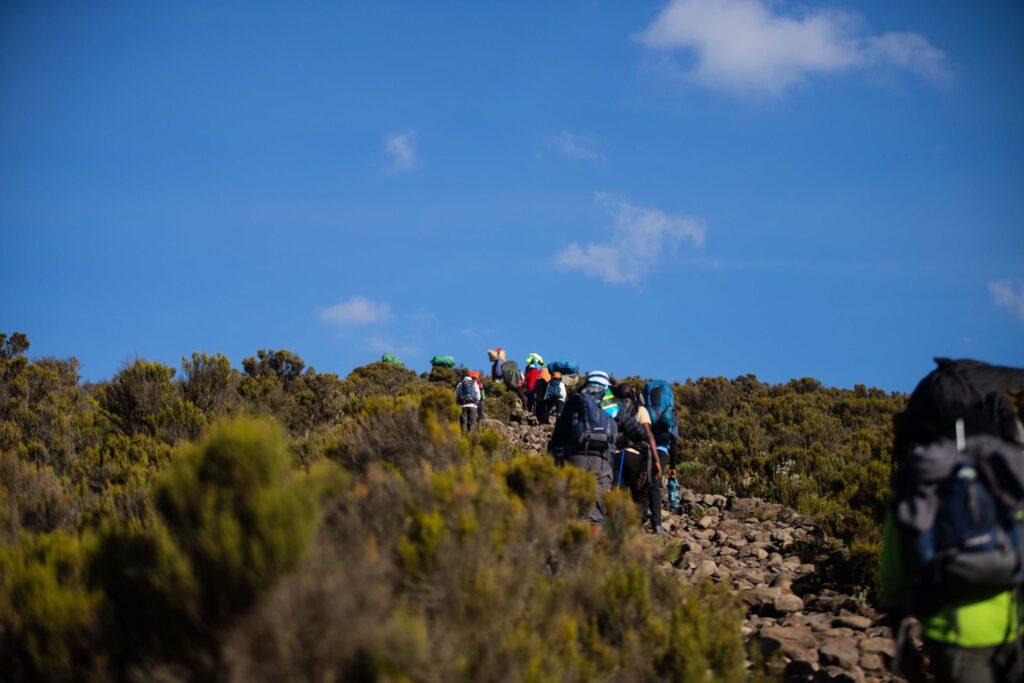
5. Walk Slowly: “Pole Pole”
You will often hear the Swahili phrase “pole pole,” meaning slowly on Kilimanjaro.
A controlled pace can help you conserve energy during long trekking days and reduce the temptation to push too hard early in the climb.
Your summit night is particularly demanding. You’ll be walking for many hours, often starting around midnight, in cold and darkness.
The goal isn’t to race uphill.
Slow and steady is part of successful altitude trekking.
6. Take Altitude Symptoms Seriously
Altitude sickness can affect people regardless of their age, fitness, or previous hiking experience.
Watch for symptoms such as:
- Headache
- Nausea
- Dizziness
- Fatigue
- Loss of appetite
- Difficulty sleeping
More serious symptoms require immediate attention and descent.
Never hide symptoms from your guide because you want to reach the summit. A summit attempt should never take priority over your health and safety.
7. Discuss Acetazolamide With a Medical Professional
Acetazolamide (Diamox) is sometimes used to help prevent or reduce acute mountain sickness.
A Kilimanjaro study found that among trekkers following a 5-day ascent profile, those taking acetazolamide had a lower incidence of AMS and higher summit success than those who were not taking it. The researchers also emphasized that medication does not replace proper acclimatization.
Whether it is appropriate for you is a medical decision. Discuss altitude medication with a qualified healthcare professional before your trip.
8. Eat and Drink Regularly
Long trekking days require consistent energy.
Try to:
- Drink regularly
- Eat small meals and snacks throughout the day
- Carry easily accessible snacks
- Include carbohydrates and protein
- Replace fluids appropriately
- Follow your guide’s recommendations
Don’t wait until you’re exhausted or extremely thirsty before taking food or fluids.
9. Pack for Changing Mountain Conditions
Kilimanjaro passes through several climate zones, so your clothing needs to accommodate significant temperature changes.
Your packing list should include:
- Moisture-wicking base layers
- Warm insulating layers
- Waterproof jacket and trousers
- Warm hat and gloves
- Quality hiking boots
- Trekking poles
- Headlamp
- Sunglasses
- Sunscreen
- Water containers/hydration system
- Warm sleeping bag
- Personal medication
- First-aid essentials
For your Eve On Safari internal link:
What to Pack for Kilimanjaro:
https://eveonsafari.com/what-to-pack-for-kilimanjaro/
Can Anyone Guarantee a Kilimanjaro Summit?
No.
Be cautious of companies advertising a guaranteed summit or presenting a very high percentage without explaining how the figure was calculated.
A credible success-rate statistic should identify:
- The route
- Number of days
- Number of climbers
- Time period
- Number who attempted the summit
- Definition of “success”
Different routes and itineraries can produce very different results, so percentages from one operator or study shouldn’t automatically be applied to every Kilimanjaro climb.
Kilimanjaro Summit Success Checklist
Before your climb, consider these questions:
☑ Have I selected an itinerary with sufficient acclimatization time?
☑ Have I trained for long days of hiking?
☑ Have I practiced with my boots and backpack?
☑ Do I understand altitude sickness symptoms?
☑ Have I discussed altitude medication with a medical professional if appropriate?
☑ Do I have suitable cold- and wet-weather clothing?
☑ Am I prepared to walk slowly and conserve energy?
☑ Will I communicate honestly with my guide about how I feel?
☑ Have I chosen a reputable trekking operator and appropriate route?
Final Thoughts
Improving your Kilimanjaro summit success rate isn’t about finding a magic formula. The biggest practical considerations are adequate acclimatization, a sensible itinerary, preparation, pacing, appropriate equipment, and responding responsibly to altitude symptoms.
Published research demonstrates how significant altitude sickness can be on Kilimanjaro, while route information shows why itinerary length and ascent profile deserve careful attention.
Planning your Kilimanjaro climb? Explore Eve On Safari’s routes, preparation guides, and Tanzania trekking experiences before choosing your itinerary