Mara River Crossing Safari: The Ultimate Guide to Witnessing the Great Migration


Introduction
A Mara River crossing safari offers an extraordinary opportunity to witness the Great Migration in action. Every year, enormous herds of wildebeest and zebras move through the Serengeti ecosystem in search of fresh grazing and water. When the animals reach the Mara River in northern Tanzania, they face steep banks, strong currents, and crocodile-filled waters.
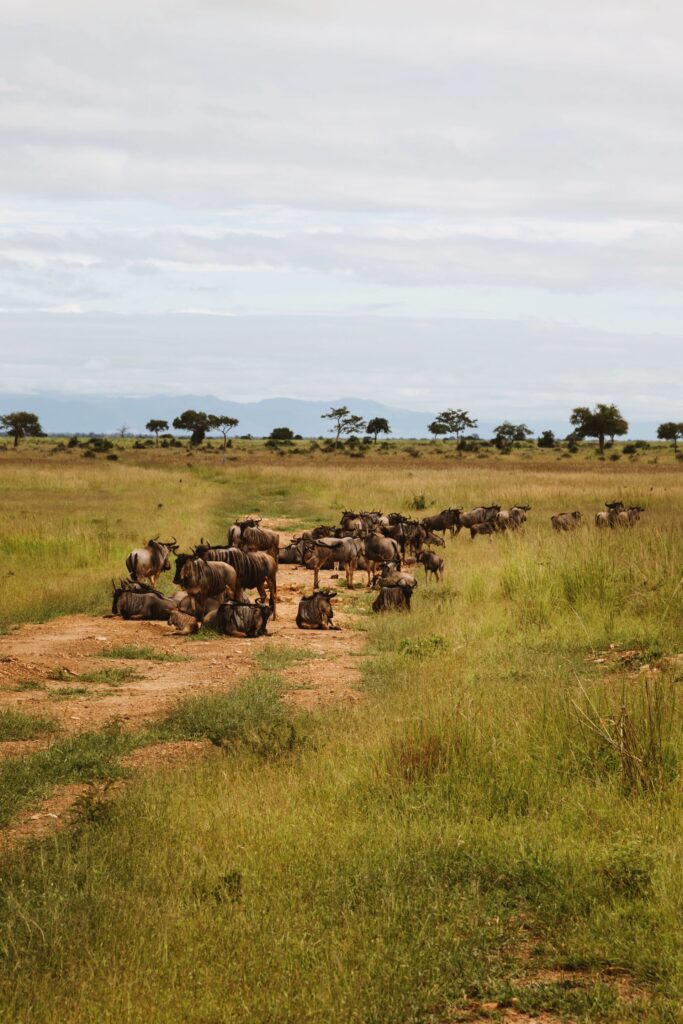
The resulting crossings can be among the most dramatic wildlife encounters in Africa. Thousands of animals may gather along the riverbanks, hesitating before suddenly plunging into the water and scrambling toward the opposite shore.
For travelers planning a Tanzania safari, this experience combines breathtaking scenery, remarkable animal behavior, and exceptional photography opportunities. However, river crossings are natural events, and no safari operator can guarantee when one will happen.
At Eve On Safari, a well-planned itinerary can help you spend time in the right region during the migration season and make the most of your wildlife adventure.
When Is the Best Time for a Mara River Crossing Safari?
The main period for Mara River crossing safaris in northern Serengeti is generally July to October, with August and September often being particularly popular months. The timing changes with rainfall, grazing conditions, and herd movements.
| Month | What to expect |
|---|---|
| July | Herds begin gathering in northern Serengeti; early crossings may occur. |
| August | A popular period for large herds and potential river crossings. |
| September | Continued crossing opportunities as herds move between Tanzania and Kenya. |
| October | Some herds begin moving south, and crossings may continue depending on conditions. |
These are seasonal patterns, not guaranteed dates. Herds can remain on one bank for hours or days before crossing, and some crossings happen without warning.
Travel tip: If witnessing a river crossing is your main priority, consider staying in northern Serengeti for at least three nights rather than relying on a single day. More time gives your guide additional opportunities to locate the herds, although it cannot guarantee a crossing.
Where Does the Mara River Crossing Take Place?
The most popular Tanzanian viewing areas are in the northern Serengeti, particularly around Kogatende and the Lamai area near the Kenyan border.
Kogatende
Kogatende is a practical base for migration safaris because it provides access to northern Serengeti wildlife areas and the Mara River region. The nearby airstrip can also make flying into the northern Serengeti more convenient than a long overland journey.
Lamai Area
The Lamai area offers scenic landscapes and opportunities to explore migration routes in the northern Serengeti. The location of the herds determines which river sections offer the best viewing opportunities on a particular day.
Your guide should select viewing locations based on recent sightings, road conditions, and park regulations rather than promising access to a particular crossing point.
What Makes the Mara River Crossing So Special?
The crossing is more than a spectacular wildlife photograph. It reveals the challenges animals face as they move through a changing ecosystem.
-
Massive wildebeest herds: Watch animals gather in large numbers before moving toward the water.
-
Natural survival challenges: Steep banks, strong currents, and crocodiles make the crossing dangerous.
-
Zebra and wildebeest interactions: Different migrating species travel together while searching for grazing.
-
Predator activity: Lions, hyenas, and crocodiles may be present in the surrounding ecosystem.
-
Photography opportunities: The riverbanks, dust, moving herds, and dramatic landscapes create striking scenes.
Not every visit results in a crossing. Sometimes the most memorable sightings involve watching the herds gather, change direction, or move along the riverbank.
How to Plan a Successful Mara River Crossing Safari
1. Choose the Right Safari Dates
Plan your trip around the July-to-October migration window, while remembering that the exact timing varies each year. August and September are popular choices for travelers seeking river-crossing opportunities.
2. Stay Near the Migration
Accommodation in northern Serengeti can reduce the time spent driving to wildlife-viewing areas. Mobile tented camps and permanent lodges offer different levels of comfort, location, and pricing.
3. Allow Enough Time
A multi-day stay gives you flexibility to follow the herds and explore different areas. A short visit may provide excellent wildlife viewing, but it offers fewer opportunities to wait for an unpredictable crossing.
4. Travel With an Experienced Guide
A knowledgeable guide can interpret animal behavior, monitor recent sightings, and choose suitable viewing areas while respecting wildlife and park rules.
5. Book Accommodation Early
The northern Serengeti can be busy during peak migration season. Booking early gives you more choice of accommodation and helps you secure a suitable itinerary.
What Is Included in a Mara River Crossing Safari?
The exact inclusions depend on your selected package, but a Tanzania safari may include:
-
Accommodation in a lodge or tented camp.
-
Meals according to the itinerary.
-
A professional driver-guide.
-
A safari vehicle and scheduled game drives.
-
Serengeti National Park fees and applicable conservation charges.
-
Transfers or domestic flights, depending on the package.
International flights, visas, travel insurance, tips, and optional activities may be additional costs. Always confirm the inclusions and exclusions before booking.
Responsible Wildlife Viewing at the Mara River
Protecting the migration is just as important as experiencing it. Serengeti National Park authorities provide specific guidance for viewing river crossings, including rules governing vehicle positions, distances, and movement around crossing points.
During your safari:
-
Remain in your vehicle in designated viewing areas unless park staff advise otherwise.
-
Never block the animals’ route to the river.
-
Avoid loud noises or actions that could disturb wildlife.
-
Follow your guide’s instructions and all park regulations.
-
Be patient rather than pressuring your guide to approach animals too closely.
Responsible viewing helps protect wildlife and preserves the experience for future visitors.
Combine Your Mara River Crossing Safari With Other Destinations
Make your Tanzania holiday more rewarding by adding other destinations to your itinerary.
-
Central Serengeti: Explore year-round wildlife habitats and look for lions, leopards, and other resident animals.
-
Ngorongoro Crater: Discover a remarkable crater landscape with diverse wildlife.
-
Tarangire National Park: Experience elephant herds, baobab trees, and beautiful savannah scenery.
-
Zanzibar: Finish your safari with relaxing beach days and opportunities to explore Stone Town.
Your ideal route depends on the length of your holiday, your budget, and whether you prefer a private safari, a mid-range experience, or a luxury package.
Explore Eve On Safari’s Tanzania safari tours to begin planning your journey.