Tanzania Safari: The Complete Guide to Planning an Unforgettable African Adventure
A Tanzania safari is one of the most memorable ways to experience Africa. From the endless plains of the Serengeti and the wildlife-rich Ngorongoro Crater to the elephant-filled landscapes of Tarangire, Tanzania offers an extraordinary combination of wildlife, scenery, culture, and adventure.
Whether you are planning your first African safari, a family holiday, a honeymoon, or a private luxury journey, Tanzania has safari experiences to suit different travel styles and budgets.
The country is home to some of Africa’s most famous wildlife destinations. The Serengeti is renowned for the Great Migration and abundant predators, while Tarangire is particularly known for elephants and its dramatic baobab landscapes. Tanzania’s national parks also offer a variety of activities, including game drives and other guided experiences.
In this guide, we explain everything you need to know when planning a Tanzania safari, including where to go, the best time to visit, what to see, how long to stay, what to pack, and how to create the right itinerary.
Why Choose a Tanzania Safari?
Tanzania offers an exceptional combination of wildlife and landscapes within a single destination.
A safari can take you from open grasslands and acacia plains to volcanic landscapes, woodlands, lakes, and mountain environments. The country’s national parks and protected areas support an impressive variety of wildlife and provide opportunities for both classic game viewing and more specialized experiences.
The Tanzania safari experience is particularly appealing because you can combine several destinations in one journey.
A northern safari circuit, for example, can include:
- Serengeti National Park
- Ngorongoro Conservation Area
- Tarangire National Park
- Lake Manyara National Park
- Arusha National Park
You can then extend your trip with Mount Kilimanjaro, cultural experiences, or a relaxing Zanzibar beach holiday.
Best Places to Visit on a Tanzania Safari
Choosing the right destinations is one of the most important parts of planning your safari.
1. Serengeti National Park
The Serengeti is the centerpiece of many Tanzania safari itineraries.
Its enormous grasslands support large populations of wildebeest, zebra, gazelle, lions, leopards, cheetahs, elephants, buffalo, and other wildlife. The park is also famous for the Great Migration, when huge herds move through the Serengeti ecosystem in search of fresh grazing and water.
The Serengeti is not only about migration. Wildlife viewing is possible throughout the year, and different regions of the park can provide different experiences.
Central Serengeti is popular for its year-round wildlife, while northern areas can be particularly interesting during parts of the migration cycle.
If you want to understand when to visit different regions, planning your itinerary around the season and wildlife movements is essential.
2. Ngorongoro Crater
The Ngorongoro Crater is one of Tanzania’s most spectacular landscapes.
The enormous volcanic caldera provides a unique setting for wildlife viewing. A crater safari can offer opportunities to see lions, elephants, buffalo, hippos, hyenas, and other species within a relatively concentrated area.
The surrounding Ngorongoro Conservation Area also provides opportunities to experience the landscapes and cultural heritage of northern Tanzania.
For many travelers, combining Ngorongoro with the Serengeti creates a classic northern Tanzania safari itinerary.
3. Tarangire National Park
Tarangire is famous for its elephants, baobab trees, and wildlife-rich landscapes.
The Tarangire River is an important water source, particularly during dry periods, and wildlife can gather around remaining water sources. The park also supports numerous other species, including lions, zebras, wildebeest, buffalo, giraffes, and a wide variety of birds.
TANAPA describes Tarangire as a park known for large elephant concentrations and baobab-dotted scenery. Its official information also identifies June to October as a dry season, with additional dry conditions occurring in January and February.
Tarangire is an excellent addition to a northern circuit itinerary and can work particularly well at the beginning or end of a safari.
4. Lake Manyara National Park
Lake Manyara offers a different landscape from the open Serengeti plains.
The park features woodland, groundwater forests, grasslands, and the alkaline lake. It is known for diverse birdlife and can provide opportunities to see elephants, giraffes, buffalo, monkeys, and other wildlife.
Lake Manyara can be incorporated into a northern Tanzania safari, particularly when travelers want to experience several different ecosystems.
5. Nyerere National Park
For travelers looking beyond the northern circuit, Nyerere National Park offers a different type of safari experience.
The park’s landscapes include rivers, lakes, woodlands, and open areas, and boat-based wildlife experiences can add another dimension to a traditional safari.
Nyerere can be particularly appealing to travelers who want to explore southern Tanzania and combine traditional game drives with water-based experiences.
6. Ruaha National Park
Ruaha is another important destination for a southern Tanzania safari.
The park is known for its rugged scenery, large elephant populations, predators, and relatively remote atmosphere.
A southern circuit itinerary can be a good option for travelers who want to explore beyond the more established northern safari route.
7. Mahale Mountains National Park
Mahale offers an entirely different experience.
Located on the shores of Lake Tanganyika, Mahale is known for chimpanzee trekking and its beautiful combination of forest, mountains, and lake scenery.
It can be combined with other western Tanzania experiences for travelers seeking a more specialized primate and wilderness adventure.
When Is the Best Time for a Tanzania Safari?
There is no single best month for every Tanzania safari because the ideal travel period depends on your interests, destinations, and budget.
TANAPA’s trip-planning guidance recommends considering the season, wildlife movements, weather, routes, accommodation, permits, and safety when planning a national park visit.
June to October
The dry season is a popular period for safari travel.
During these months, vegetation can be less dense and wildlife may concentrate around available water sources. The weather can also make game drives comfortable in many areas.
The Serengeti is particularly popular during this period because of seasonal wildlife movements and the possibility of seeing parts of the Great Migration.
January to February
January and February can be an excellent period for travelers interested in the calving season in the Serengeti ecosystem.
The combination of young animals, predators, green landscapes, and dramatic wildlife activity can make this period especially memorable.
March to May
The long-rain period can bring greener landscapes and fewer visitors in some areas.
Rainfall can affect road conditions and daily safari schedules, but travelers who are flexible may enjoy lush scenery and a quieter atmosphere.
November to December
The short rains can transform the landscape, bringing fresh vegetation and changing wildlife patterns.
This can be an interesting period for travelers who want a different perspective on Tanzania rather than focusing exclusively on peak-season travel.
How Long Should a Tanzania Safari Be?
The ideal safari length depends on your destinations and overall holiday plans.
3 to 4 Days
A short safari can work well if you have limited time.
A possible itinerary could focus on Tarangire, Ngorongoro, and another nearby destination.
5 to 7 Days
Five to seven days allows more time to explore.
You could combine:
- Tarangire
- Ngorongoro
- Serengeti
- Lake Manyara
This is one of the most popular approaches for first-time visitors.
8 to 10 Days
An extended safari provides more flexibility.
You can spend additional nights in the Serengeti, explore different regions, include cultural experiences, or slow down the pace of your journey.
10 to 14 Days
Longer trips are ideal for travelers who want to combine multiple regions.
You could consider a northern Tanzania safari followed by Zanzibar, or combine northern and southern destinations depending on your interests and available flights.
What Can You See on a Tanzania Safari?
One of the biggest attractions of a Tanzania safari is the diversity of wildlife.
Depending on the destination and season, you may encounter:
- Lions
- Leopards
- Cheetahs
- Elephants
- Buffalo
- Giraffes
- Zebras
- Wildebeest
- Hippos
- Hyenas
- Antelopes
- Monkeys
- Hundreds of bird species
The Serengeti is especially famous for large-scale wildlife movements and its predator populations. TANAPA identifies the park as home to the Big Five and highlights the Great Migration involving more than 1.5 million wildebeest and other migrating animals.
However, wildlife sightings are never guaranteed. Animals are wild and constantly moving, which is part of what makes every game drive different.
Tanzania Safari Activities
A safari does not have to mean sitting in a vehicle all day.
Depending on the destination and regulations, your itinerary may include different experiences.
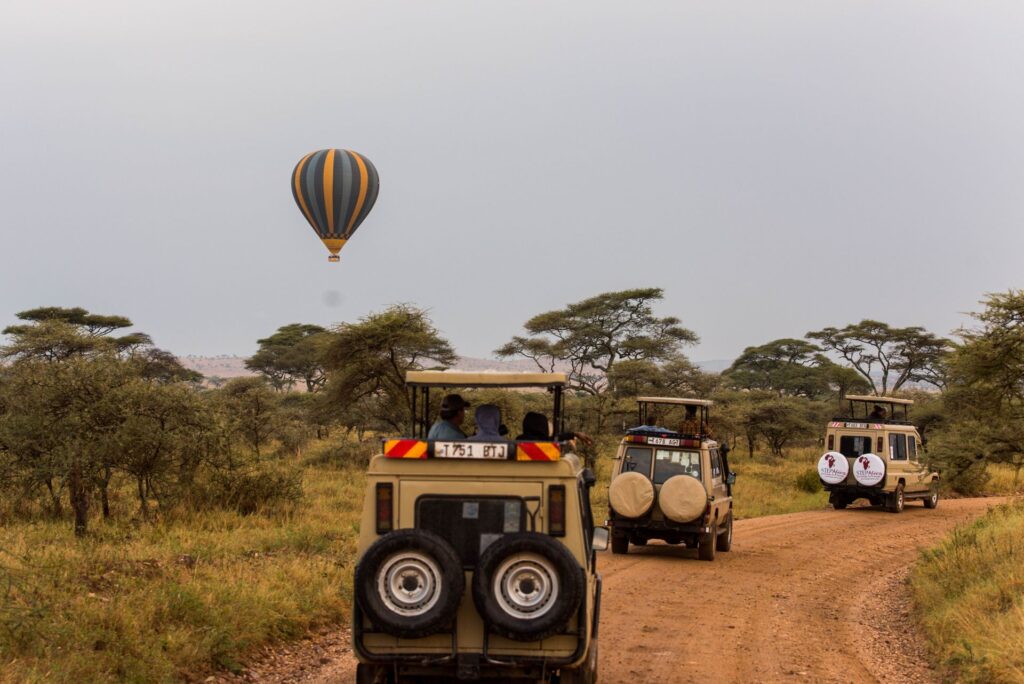
Game Drives
Game drives are the classic Tanzania safari activity.
Early morning and afternoon drives can provide opportunities to observe wildlife while enjoying changing light and landscapes.
Balloon Safari
A hot-air balloon safari can provide a completely different perspective of the Serengeti.
Flying above the plains at sunrise allows travelers to appreciate the scale of the ecosystem from the air.
Walking Experiences
Some protected areas offer guided walking experiences where permitted.
Walking can help travelers focus on smaller details, tracks, plants, birds, insects, and the sounds of the African bush.
Cultural Experiences
A Tanzania safari can also include cultural experiences with local communities.
These experiences can help visitors learn more about traditions, livelihoods, food, crafts, and the relationship between communities and the surrounding environment.
Tanzania Safari for Families
Tanzania can be an exciting destination for families, but a family safari should be planned around the ages and needs of the children.
Private safari arrangements can provide greater flexibility than joining a fixed group. Parents can discuss shorter drives, accommodation preferences, meal requirements, and activities when creating the itinerary.
Family-friendly planning should also consider:
- Children’s ages
- Driving distances
- Accommodation
- Meal arrangements
- Rest periods
- Wildlife safety
- Travel time between parks
- Appropriate activities
For families, combining a safari with Zanzibar can also create a balanced holiday with both wildlife adventure and beach relaxation.
Read our guide to Family Safari in Tanzania: Is It Safe for Kids?.
Tanzania Safari for Couples and Honeymoons
A Tanzania safari can also be an excellent choice for a honeymoon.
Couples can combine wildlife viewing with comfortable lodges, private camps, bush breakfasts, sundowners, scenic landscapes, and romantic dinners.
A popular honeymoon itinerary might include:
Day 1: Arrival in Tanzania
Days 2–3: Tarangire
Day 4: Ngorongoro
Days 5–7: Serengeti
Days 8–11: Zanzibar
Day 12: Departure
The itinerary can be adjusted according to travel dates, accommodation preferences, budget, and interests.
What to Pack for a Tanzania Safari
Packing correctly can make your safari much more comfortable.
Consider bringing:
- Lightweight clothing
- Neutral-colored shirts and trousers
- Comfortable walking shoes
- A lightweight jacket
- Sun hat
- Sunglasses
- Sunscreen
- Insect repellent
- Binoculars
- Camera and spare batteries
- Reusable water bottle
- Small daypack
- Personal medications
- Rain jacket
- Headlamp or small flashlight
Early morning game drives can feel surprisingly cool, so layers are useful even when daytime temperatures are warm.
For more detailed advice, see our guide to What to Pack for Kilimanjaro. Although that article focuses on climbing, some general outdoor packing principles are also useful when preparing for an extended Tanzania adventure.
How Much Does a Tanzania Safari Cost?
The cost of a Tanzania safari varies considerably.
Factors that influence the total price include:
- Number of safari days
- Number of travelers
- Accommodation category
- Private or shared safari
- Park fees
- Transportation
- Domestic flights
- Activities
- Travel season
- Meal arrangements
- Zanzibar extension
A budget camping safari will have a very different price from a luxury private safari using premium lodges and camps.
Instead of choosing an itinerary based only on price, consider what is included and whether the itinerary matches your priorities.
Private vs Shared Tanzania Safari
Private Safari
A private safari provides greater flexibility.
You can normally discuss your preferred destinations, pace, accommodation, photography interests, and activities with your safari operator.
Private safaris can be particularly useful for families, honeymoon couples, photographers, and travelers with specific schedules.
Shared Safari
Shared safaris can provide a more economical way to experience Tanzania.
You travel with other guests and follow a predetermined or semi-fixed itinerary.
The right choice depends on your budget, preferred travel style, and desired level of flexibility.
Combining a Tanzania Safari with Zanzibar
One of the most popular ways to extend a Tanzania safari is with a Zanzibar beach holiday.
After several days of game drives, you can spend time relaxing beside the Indian Ocean, exploring Stone Town, enjoying local cuisine, or discovering Zanzibar’s beaches and marine environments.
A safari-and-Zanzibar combination can work especially well for:
- Honeymoons
- Family holidays
- Couples’ trips
- First-time visitors to Tanzania
- Longer African holidays
Explore our Zanzibar Beach Guide to help decide which part of the island fits your travel style.
Sample 7-Day Tanzania Safari Itinerary
Here is an example of a classic northern Tanzania safari:
Day 1: Arusha to Tarangire
Begin your safari with a game drive in Tarangire National Park and spend the night near the park.
Day 2: Tarangire to Ngorongoro
Enjoy another wildlife experience before continuing toward the Ngorongoro area.
Day 3: Ngorongoro Crater
Descend into the crater for a full-day wildlife experience before continuing to your accommodation.
Day 4: Ngorongoro to Serengeti
Travel toward the Serengeti with opportunities for wildlife viewing along the way.
Days 5–6: Serengeti
Spend two full days exploring different areas of the Serengeti.
Day 7: Serengeti and Departure
Enjoy a final game drive before your onward journey or flight.
This itinerary can be shortened, extended, or redesigned according to your travel dates and interests.
Tips for Planning a Tanzania Safari
1. Choose Your Travel Priorities
Decide whether your main interest is the Great Migration, Big Five wildlife, photography, elephants, landscapes, culture, birding, or relaxation.
2. Select the Right Parks
You do not need to visit every park.
A well-designed itinerary with fewer destinations can be more enjoyable than spending most of your holiday traveling between parks.
3. Consider the Season
Wildlife movements and weather vary throughout the year, so select your travel period according to the experiences you want.
4. Allow Enough Time
Avoid packing too many destinations into a short trip.
Spending two or three nights in one area can allow more relaxed wildlife viewing.
5. Choose Accommodation Carefully
Accommodation ranges from public campsites and basic tented camps to luxury lodges and permanent tented camps.
Choose according to your budget and preferred experience.
6. Work With an Experienced Safari Operator
A local safari operator can help coordinate transportation, accommodation, guides, park access, and daily logistics.
7. Follow Wildlife Safety Rules
Always listen to your guide and follow park regulations.
Tanzania’s national parks are protected wild environments, so responsible behavior is essential.
Responsible Tanzania Safari Travel
A memorable safari should also contribute to the protection of Tanzania’s natural and cultural heritage.
Travelers can support responsible tourism by:
- Following park rules
- Never feeding wildlife
- Avoiding litter
- Respecting local communities
- Choosing responsible tour operators
- Supporting local businesses where appropriate
- Following guide instructions
- Keeping a respectful distance from wildlife
- Avoiding unnecessary disturbance of animals
TANAPA emphasizes conservation and sustainable tourism across Tanzania’s national parks.
Frequently Asked Questions About Tanzania Safari
Is Tanzania good for a safari?
Yes. Tanzania offers a wide range of national parks and wildlife experiences, including the Serengeti, Tarangire, Ngorongoro area, Nyerere, Ruaha, and other protected areas.
How many days do I need for a Tanzania safari?
A short safari can be done in three to four days, but five to seven days provides more time to combine several major northern destinations. Longer trips allow travelers to explore more regions or add Zanzibar.
What is the best month for a Tanzania safari?
There is no single best month for every safari. June to October is a popular dry-season period, while January and February can be particularly interesting for travelers interested in the Serengeti calving season.
Can children go on a Tanzania safari?
Yes, families can enjoy Tanzania safaris, but itineraries should be planned around children’s ages, travel times, accommodation, and activities.
Can I combine Tanzania safari and Zanzibar?
Yes. A Tanzania safari and Zanzibar combination is a popular way to experience both wildlife and the Indian Ocean coast.
Is a private safari worth considering?
A private safari can provide greater flexibility over the itinerary, pace, accommodation, and daily schedule. It can be particularly suitable for families, couples, photographers, and travelers with specific interests.
What should I bring on safari?
Useful items include lightweight clothing, comfortable shoes, sunscreen, insect repellent, binoculars, a camera, a hat, sunglasses, a reusable water bottle, and a light jacket.
Plan Your Tanzania Safari With Eve On Safari
A Tanzania safari is more than a wildlife-viewing holiday. It is an opportunity to experience vast landscapes, extraordinary wildlife, local cultures, and some of East Africa’s most remarkable protected areas.
Whether you dream of watching lions in the Serengeti, seeing elephants beneath ancient baobabs in Tarangire, exploring the Ngorongoro landscape, tracking chimpanzees in western Tanzania, or ending your adventure on the beaches of Zanzibar, your itinerary can be designed around your interests.
At Eve On Safari, we can help you create a Tanzania safari itinerary based on your travel dates, budget, preferred destinations, accommodation style, and interests.
Ready to start planning your African adventure? Contact Eve On Safari and begin creating your Tanzania safari experience.