Best Time of Year for Gorilla Trekking in Uganda & Rwanda
Gorilla trekking in Uganda and Rwanda is a year-round experience, but choosing the best time of year for gorilla trekking can make your adventure more comfortable. Mountain gorillas live in high-altitude rainforest environments, where conditions can change quickly. Rain is possible even during traditionally dry months, while wet-season conditions can make forest trails muddy and more challenging.
For many travelers, the dry seasons are generally the most convenient time for gorilla trekking, particularly if you want easier hiking conditions. However, the rainy seasons can also offer rewarding experiences, and they may suit travelers looking for greater flexibility.
Uganda’s Bwindi Impenetrable National Park and Mgahinga Gorilla National Park, together with Rwanda’s Volcanoes National Park, are among the principal destinations for mountain gorilla trekking in the region. Uganda Wildlife Authority describes gorilla tracking as an activity available in Bwindi and Mgahinga, while Rwanda’s official tourism information highlights Volcanoes National Park as the country’s main gorilla trekking destination.
What Is the Best Time of Year for Gorilla Trekking?
The best time of year for gorilla trekking is generally during the drier periods, when forest paths are often easier to navigate.
In Rwanda, the main dry season runs approximately from June to mid-September. Visit Rwanda notes that roads and paths tend to be easier to navigate during this period.
In Uganda, conditions vary by location, but the drier periods are commonly favored for trekking. Uganda Wildlife Authority information for Mgahinga identifies the park as a year-round destination, while Uganda’s broader tourism guidance identifies June to August and December to February among the drier periods for primate tracking and wildlife viewing.
That does not mean gorilla trekking should be avoided during rainy months. Mountain gorillas remain in their natural habitat throughout the year, and trekking continues in different weather conditions.
Gorilla Trekking in Uganda
Uganda offers gorilla trekking in Bwindi Impenetrable National Park and Mgahinga Gorilla National Park. UWA identifies several Bwindi entry sectors, including Buhoma, Ruhija, Nkuringo and Rushaga, while Mgahinga has its own designated tracking area.
One of Uganda’s biggest advantages is the variety of trekking locations. The exact experience can depend on the sector, gorilla family allocation, terrain and weather on the day.
UWA advises that gorilla trekking requires moderate physical fitness. Trekking time can vary considerably depending on where the gorilla group is located.
When Should You Visit Uganda?
For travelers prioritizing generally drier hiking conditions, June, July and August are popular months to consider. These months can offer a good balance of trekking conditions and wildlife experiences.
December, January and February can also be useful months to consider, particularly for travelers planning a broader Uganda itinerary.
April and May are typically wetter periods in many parts of Uganda. Trails can become muddy and slippery, but experienced travelers who are prepared for rain can still enjoy a memorable trek.
Gorilla Trekking in Rwanda
Rwanda’s gorilla trekking takes place in Volcanoes National Park, in the Virunga mountain region.
The trekking environment is mountainous, and hikes can range from relatively short walks to several hours depending on the location of the gorilla family. Visit Rwanda states that hikes can last from around 30 minutes to four or more hours and may reach elevations between 2,500 and 4,000 meters.
Best Months for Rwanda Gorilla Trekking
The June to mid-September dry season is often a practical choice for travelers who want more manageable trail conditions. Visit Rwanda specifically notes that roads and paths tend to be easier to navigate during this period.
September can also be attractive, particularly during the first part of the month, although weather can change quickly.
The rainy seasons generally occur from mid-February to May and mid-September to mid-December.
Rain should not automatically discourage you. Mountain rainforest environments can experience rainfall even during relatively dry periods, so waterproof clothing remains important regardless of when you travel.
Dry Season vs. Rainy Season for Gorilla Trekking
Dry Season
The dry season is often preferred because:
- Forest paths may be easier to walk.
- Muddy conditions can be less frequent.
- Hiking can feel more comfortable.
- Photography equipment may be easier to protect.
- Road conditions can be more convenient for transfers.
However, dry season does not mean completely rain-free conditions. These are rainforest and mountain environments, so travelers should always prepare for changing weather.
Rainy Season
Rainy-season trekking can have its own advantages.
The forest may look especially lush and vibrant, while fewer travelers may be attracted to the wetter conditions. For photographers and nature enthusiasts, rain can create dramatic forest scenery.
The main challenge is the trail. Mud, wet vegetation, slippery slopes and rain can make hiking more demanding.
If you trek during the rainy season, good waterproof clothing, hiking boots, gaiters and a waterproof backpack cover are particularly useful.
Month-by-Month Gorilla Trekking Guide
January
January can be a good month for gorilla trekking, particularly for travelers looking for relatively favorable conditions. It is also useful for combining gorilla trekking with broader wildlife experiences.
February
February can still provide good trekking opportunities, although rainfall patterns begin to change toward the later part of the month in Rwanda.
March
March falls into a wetter period in Rwanda. Trekking remains possible, but travelers should prepare for muddy trails and rain.
April
April can be one of the wetter periods. Travelers visiting at this time should prioritize waterproof clothing and proper hiking footwear.
May
May can still be wet, but conditions vary. If you are comfortable hiking in rain and mud, this can remain a viable time for gorilla trekking.
June
June marks the beginning of one of the most attractive periods for travelers visiting Rwanda. Drier conditions can make hiking and road travel more convenient.
July
July is often considered a favorable month for gorilla trekking, particularly for travelers prioritizing generally drier conditions.
August
August continues the main dry period in Rwanda and is another popular month for trekking.
September
The first part of September can still offer favorable conditions, although rainfall patterns begin shifting toward the wetter season later in the month.
October
October can bring increased rainfall. Travelers should expect changing trail conditions and pack accordingly.
November
November is generally within Rwanda’s rainy season. Trekking remains possible, but waterproof gear becomes especially important.
December
December can be an interesting month for gorilla trekking because conditions can become drier again in parts of the region. It can also work well for travelers combining primate experiences with a larger East African itinerary.
How Fit Do You Need to Be?
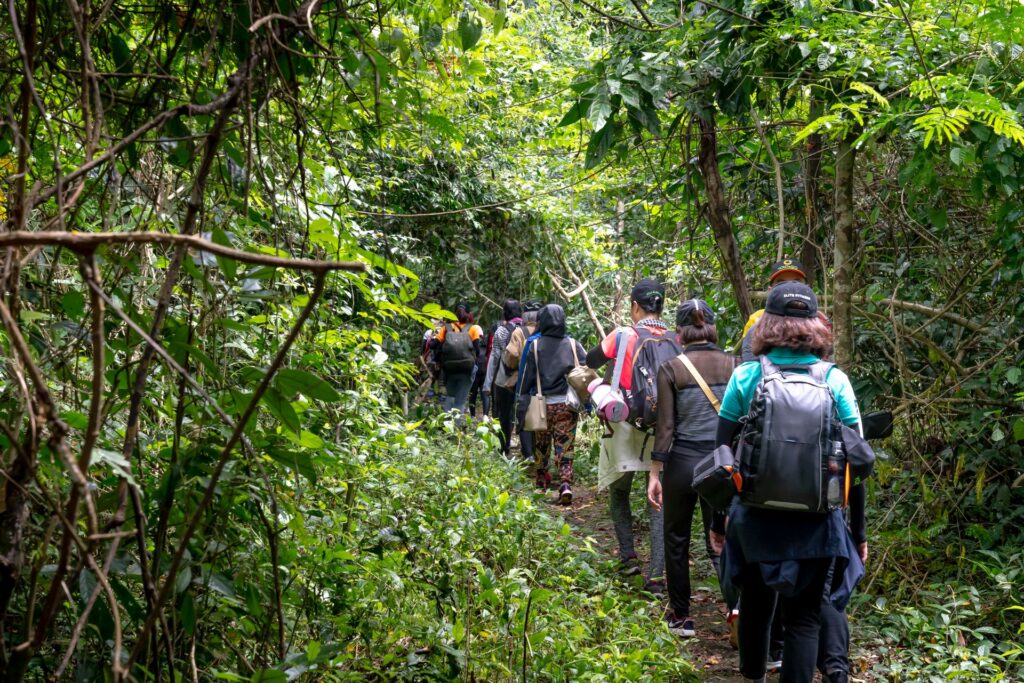
Gorilla trekking is not simply a wildlife viewing activity. It involves hiking through mountainous rainforest terrain.
You should be prepared for:
- Steep slopes
- Uneven ground
- Muddy trails
- Tree roots and vegetation
- Humid conditions
- Several hours of walking
- Changes in elevation
Uganda Wildlife Authority recommends moderate fitness for gorilla tracking, while Rwanda notes that trekking durations can vary substantially depending on the gorilla group’s location.
You do not need to be an elite athlete. Regular walking, hill training, stair climbing and basic strength exercises can help you prepare.
What Should You Pack for Gorilla Trekking?
Regardless of the month you choose, pack for changing rainforest weather.
Recommended items include:
- Waterproof hiking boots
- Lightweight rain jacket
- Long hiking trousers
- Long-sleeved shirt
- Gardening or hiking gloves
- Gaiters
- Waterproof backpack cover
- Reusable water bottle
- Snacks
- Insect repellent
- Sunscreen
- Hat
- Camera and protective cover
- Small daypack
Visit Rwanda specifically recommends solid walking shoes, gaiters, sturdy clothing and a lightweight waterproof jacket.
Should You Hire a Porter?
A porter can be extremely helpful, especially if you are carrying camera equipment, water and other personal items.
Porters are available in Rwanda, and they can help carry backpacks and cameras and provide assistance on the trail.
Hiring a porter can also provide direct economic benefits to people living around the national parks.
Uganda or Rwanda: Which Is Better for Gorilla Trekking?
Both countries offer exceptional mountain gorilla trekking experiences, but the choice can depend on your itinerary, budget, accommodation preferences, travel connections and preferred trekking location.
Uganda offers gorilla trekking in Bwindi and Mgahinga, while Rwanda’s main gorilla destination is Volcanoes National Park.
Rather than choosing purely based on the month, consider the complete journey. Your preferred trekking sector, accommodation, transportation and other activities can be just as important.
Combine Gorilla Trekking With a Tanzania Safari
Travelers coming to East Africa can combine a Uganda or Rwanda gorilla trek with a Tanzania safari.
For example, an itinerary could include:
Rwanda → Gorilla Trekking → Tanzania → Serengeti → Ngorongoro → Zanzibar
Another option could combine Uganda’s Bwindi region with a Tanzania safari featuring Serengeti, Ngorongoro and Tarangire.
This creates an itinerary that combines mountain gorillas, chimpanzees or other primates with classic African safari wildlife and a relaxing Zanzibar beach holiday.
Final Thoughts: When Should You Go Gorilla Trekking?
The best time of year for gorilla trekking depends on what matters most to you.
If your priority is generally easier hiking conditions, the drier months are a strong option. In Rwanda, June to mid-September is the main dry period, while Uganda also has favorable drier periods during the year.
However, there is no single perfect month. Rainforest weather is unpredictable, and gorilla trekking remains a year-round experience.
The most important preparation is to choose the right itinerary, obtain the necessary permit, prepare physically, wear appropriate hiking gear and travel with experienced guides.
Ready to plan your gorilla adventure? Eve On Safari can help you combine Uganda or Rwanda gorilla trekking with Tanzania safaris, Kilimanjaro adventures and Zanzibar holidays for a complete East African experience.