Serengeti Safari: Discover Tanzania’s Wildlife and Great Migration
A Serengeti safari is an unforgettable way to experience Tanzania’s extraordinary wildlife, open savannahs, and spectacular natural landscapes. Famous for its lions, elephants, leopards, cheetahs, and the Great Wildebeest Migration, Serengeti National Park offers incredible wildlife-viewing opportunities throughout the year.
With Eve On Safari, you can plan a personalized Serengeti safari that matches your travel dates, interests, and budget. Whether you want a private wildlife adventure, a luxury tented-camp experience, or a safari focused on the Great Migration, the Serengeti offers something special for every traveler.
Why Choose a Serengeti National Park Safari?
Serengeti National Park is one of Africa’s most celebrated wildlife destinations and a UNESCO World Heritage Site. Its expansive grasslands, rocky kopjes, rivers, and woodlands support a remarkable variety of animals and birds.
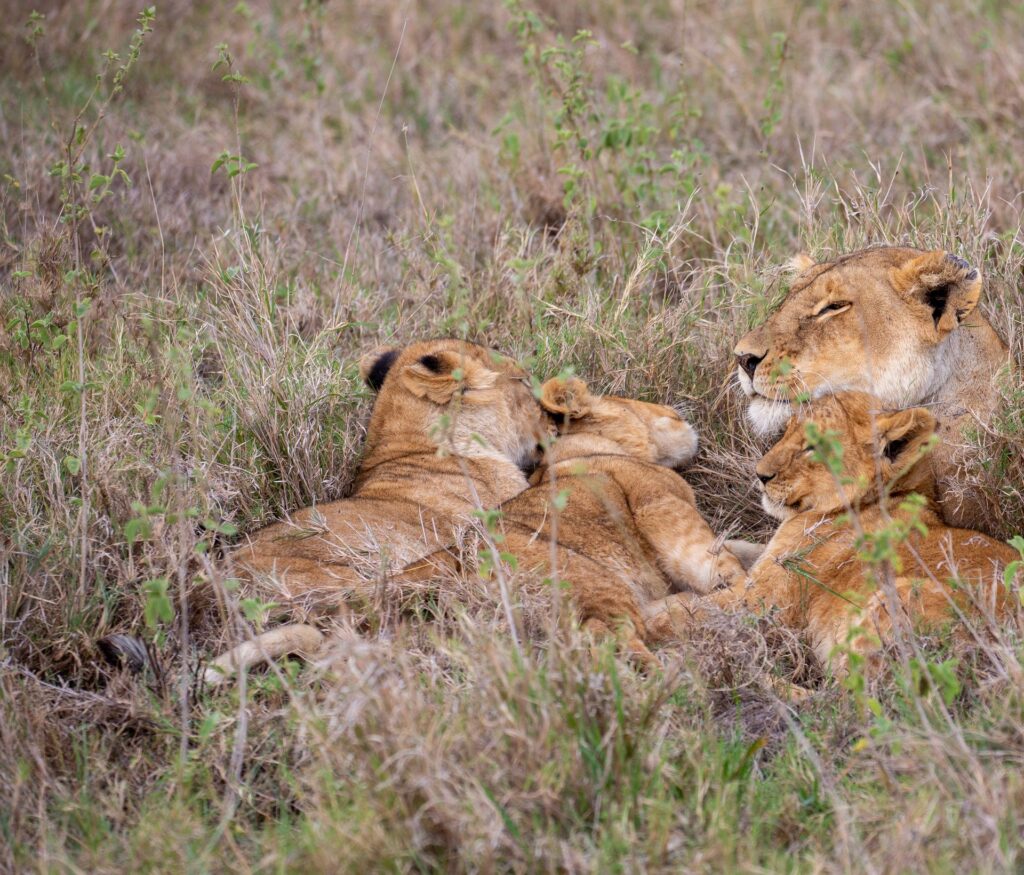
During your Serengeti safari, you may encounter lions resting in the grass, leopards in trees, cheetahs hunting across open plains, and large herds of elephants, zebras, and wildebeest.
The park is especially famous for the annual migration of wildebeest and zebras in search of fresh grazing and water. The exact location of the herds changes throughout the year, so planning your route around seasonal movements can improve your chances of seeing particular migration events.
Best Things to Do on a Serengeti Safari
1. Enjoy Guided Game Drives
Game drives are the main activity on a Serengeti safari. Explore different habitats with an experienced guide who can help you look for wildlife, understand animal behavior, and identify birds and other species.
Early morning and late afternoon drives can be particularly rewarding for wildlife photography and predator sightings.
2. Experience the Great Migration
The Great Migration is one of the Serengeti’s most famous natural spectacles. Huge herds of wildebeest and zebras move through the ecosystem during the year, accompanied by predators such as lions and hyenas.
The southern plains are associated with the calving season, commonly around January and February. Migration activity in the western and northern regions varies with rainfall and grazing conditions. River crossings may occur during parts of the migration, but their timing and location cannot be guaranteed.
3. Take a Hot-Air Balloon Safari
A hot-air balloon safari offers a different view of the Serengeti. At sunrise, you can float above the plains and observe the landscape from the air. Balloon flights are optional activities that require advance arrangements and depend on weather conditions and availability.
4. Explore Different Serengeti Regions
The Serengeti is vast, and each region offers a different experience.
- Central Serengeti: A popular choice for first-time visitors, with resident wildlife and opportunities to search for big cats.
- Northern Serengeti: Known for seasonal migration movements and the possibility of Mara River crossings.
- Southern Serengeti: Particularly attractive during the wildebeest calving season.
- Western Corridor: Offers riverine landscapes and seasonal wildlife movements.
Choosing the right region for your travel month is important, especially if witnessing the migration is your main goal.
Best Time to Visit the Serengeti
A Serengeti safari is rewarding throughout the year, but the best travel period depends on your interests.
June to October: The drier months often offer good general wildlife viewing, and migration herds may move through the western and northern Serengeti. The northern region can offer opportunities to see Mara River crossings during the appropriate season.
January to February: The southern plains are commonly associated with wildebeest calving, attracting predators and offering excellent photography opportunities.
March to May: The landscape becomes greener during the long-rain period. Some roads and travel arrangements may be affected by rain, so careful seasonal planning is important.
November to December: Short rains and changing grazing conditions influence animal movements. This period can offer green scenery and birdwatching opportunities.
Migration timing changes from year to year, so your itinerary should be planned around the latest local conditions rather than fixed promises of a sighting.
How Many Days Do You Need for a Serengeti Safari?
Your ideal safari length depends on your budget, transport, and wildlife interests.
- 2–3 days: A shorter Serengeti visit, often best planned with suitable flights or a carefully organized route.
- 4–5 days: More time for game drives and exploring different parts of the park.
- 6–7 days: A good option for a deeper Serengeti experience or a migration-focused itinerary.
- 8 days or longer: Allows you to combine the Serengeti with destinations such as Ngorongoro Crater, Tarangire, or Lake Manyara.
If you are traveling from Arusha by road, allow sufficient time for transfers. Internal flights may save travel time, depending on your itinerary and budget.
How Much Does a Serengeti Safari Cost?
The cost of a Serengeti safari varies according to the season, accommodation level, number of days, group size, transport, and activities.
Budget camping trips can cost less than itineraries featuring luxury lodges, private flights, and premium tented camps. Park fees and optional experiences, such as balloon safaris, also affect the final price.
Eve On Safari can help you compare options and create a Serengeti safari package suited to your travel preferences. Ask for a quotation that clearly outlines accommodation, meals, transfers, guiding, park fees, and included activities.
Book Your Serengeti Safari with Eve On Safari
Discover Tanzania’s iconic wildlife and extraordinary landscapes with a safari planned around your interests. Eve On Safari can help you arrange private game drives, suitable accommodation, and an itinerary that combines the Serengeti with other Northern Tanzania destinations.
Explore our Northern Tanzania Safari page to plan your wider safari adventure.
Contact Eve On Safari:
- Phone/WhatsApp: +255 768 611 005
- Email: info@eveonsafari.com
Contact us today to start planning your Serengeti safari in Tanzania.
Frequently Asked Questions
Is the Serengeti worth visiting?
Yes. The Serengeti is famous for its diverse wildlife, expansive landscapes, and the Great Migration. It offers rewarding game drives throughout the year.
What animals can I see on a Serengeti safari?
Wildlife includes lions, elephants, leopards, cheetahs, buffalo, giraffes, zebras, wildebeest, hyenas, and many bird species. Sightings vary by location and season.
Can I see the Great Migration on a Serengeti safari?
You may be able to see migration herds by choosing the right region and season. However, animal movements depend on rainfall and grazing conditions, so sightings cannot be guaranteed.
Can I combine the Serengeti with Ngorongoro Crater?
Yes. Many visitors combine the Serengeti with Ngorongoro Crater, and some itineraries also include Tarangire or Lake Manyara.
Can I book a private Serengeti safari?
Yes. A private safari can provide a dedicated vehicle and guide, with flexibility over travel dates, accommodation, and the pace of your game drives.