Serengeti National Park Safari: Wildlife, Tours and Travel Tips
A Serengeti National Park safari is an incredible way to discover Tanzania’s wildlife, open grasslands, and world-famous Great Wildebeest Migration. From lions resting on rocky kopjes to elephants crossing the plains, the Serengeti offers memorable wildlife encounters and beautiful scenery throughout the year.
Eve On Safari helps travelers plan personalized Tanzania safari experiences, whether you are looking for a private wildlife adventure, a family holiday, a photographic safari, or a trip focused on the Great Migration.
Why Visit Serengeti National Park?
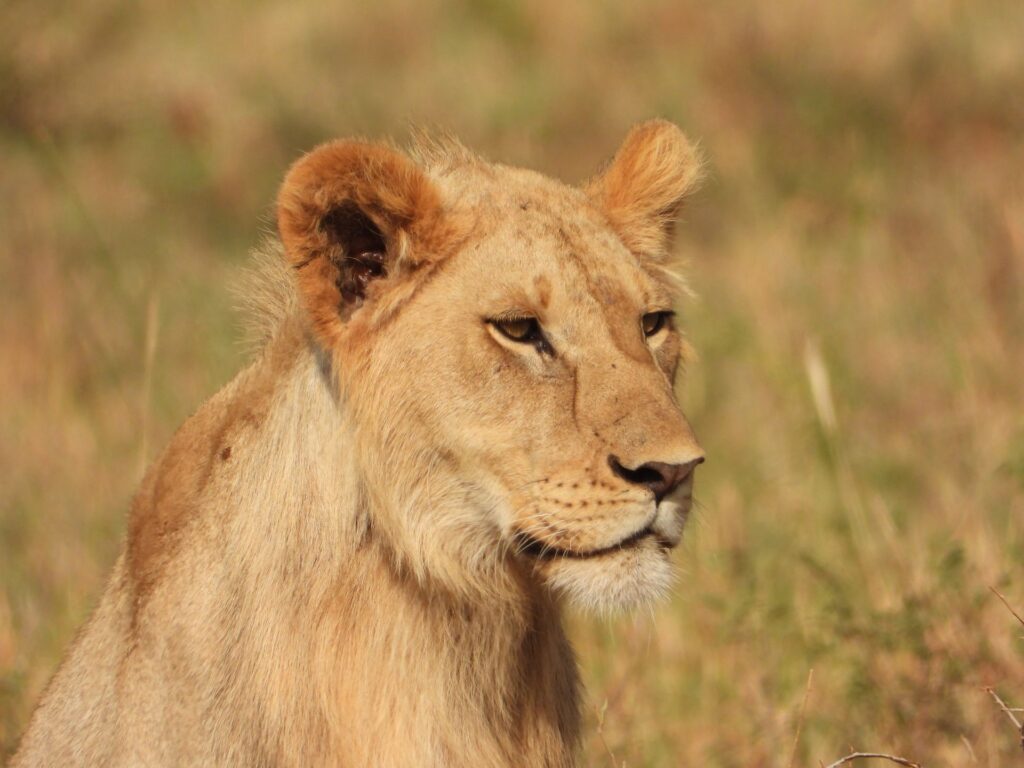
Located in northern Tanzania, Serengeti National Park is one of Africa’s best-known wildlife destinations and a UNESCO World Heritage Site. Its varied habitats support abundant wildlife, including lions, leopards, cheetahs, elephants, buffalo, giraffes, zebras, wildebeest, and numerous bird species. The park is particularly famous for the large-scale migration of wildebeest and zebras across the Serengeti ecosystem.
A Serengeti safari is suitable for first-time visitors, couples, families, wildlife enthusiasts, and photographers. You can choose a short visit or spend several days exploring different regions of this vast wilderness.
Best Things to Do on a Serengeti Safari
1. Enjoy Guided Game Drives
Game drives are the main activity in Serengeti National Park. With an experienced guide, explore the plains, woodland, rivers, and rocky outcrops while searching for wildlife. Early morning and late afternoon drives can provide excellent viewing and photography opportunities.
2. Witness the Great Migration
The Great Migration involves enormous herds of wildebeest and zebras moving in search of fresh grazing and water. The herds travel through different parts of the ecosystem as seasons and rainfall change.
The southern plains are often associated with calving around January and February, while the western and northern regions can offer migration viewing at other times of year. River crossings are unpredictable, so sightings cannot be guaranteed.
3. Take a Hot-Air Balloon Safari
A hot-air balloon safari offers a sunrise view of the Serengeti from above. It can be a memorable addition for couples, photographers, and travelers celebrating a special occasion. Balloon flights require advance arrangements and depend on weather and availability.
4. Explore Different Regions
- Central Serengeti: Popular for its resident wildlife and opportunities to search for big cats.
- Northern Serengeti: Known for seasonal migration movements and possible Mara River crossing activity.
- Southern Serengeti: A notable area for wildebeest calving during the appropriate season.
- Western Corridor: Features riverine habitats and seasonal wildlife movements.
Choosing the right region for your travel dates can help you get more from your safari.
Best Time for a Serengeti National Park Safari
The Serengeti can be visited throughout the year, but different seasons offer different experiences.
June to October: The drier season is often popular for general wildlife viewing. Migration herds may move through the western or northern areas, depending on conditions.
January to February: The southern plains are often associated with wildebeest calving, attracting predators and offering excellent photography opportunities.
March to May: The long-rain period can bring greener scenery, although rainfall may affect some roads and travel arrangements.
November to December: Seasonal rains and changing grazing conditions influence wildlife movements. This period can offer lush landscapes and birdwatching.
Migration timing varies each year. Plan your route around seasonal patterns, while remembering that wildlife sightings are never guaranteed.
How Many Days Do You Need?
The right length depends on your schedule, budget, and transport arrangements.
- 2–3 days: A shorter visit, best planned with efficient transport and a focused itinerary.
- 4–5 days: More time for game drives and exploring different areas.
- 6–7 days: A good option for travelers who want a deeper Serengeti experience or a migration-focused safari.
- 8 days or more: Consider combining the Serengeti with Ngorongoro Crater, Tarangire, or Lake Manyara.
If you are traveling from Arusha by road, allow time for transfers. Domestic flights may reduce travel time depending on your route and budget.
How Much Does a Serengeti Safari Cost?
The cost of a Serengeti National Park safari depends on the number of days, accommodation standard, season, group size, transport, and activities. Budget camping safaris may cost less than private trips featuring luxury lodges, premium tented camps, or internal flights.
When comparing quotations, check whether accommodation, meals, park fees, transfers, guiding, and optional activities are included.
Eve On Safari can help you plan a safari that suits your preferred travel style and budget.
Plan Your Serengeti Safari with Eve On Safari
Discover Tanzania’s extraordinary wildlife with a personalized itinerary from Eve On Safari. We can help you choose suitable travel dates, explore different Serengeti regions, and combine your visit with other Northern Tanzania destinations.
Read more about our Northern Tanzania Safari options and start planning your journey.
Contact Eve On Safari:
- Phone/WhatsApp: +255 768 611 005
- Email: info@eveonsafari.com
Contact us today to plan your Serengeti National Park safari.
Frequently Asked Questions
What animals can I see in Serengeti National Park?
You may see lions, leopards, cheetahs, elephants, buffalo, giraffes, zebras, wildebeest, hyenas, and many bird species. Sightings depend on location and conditions.
Can I see the Great Migration?
Yes, you may see migration herds if you visit the appropriate region at the right time. The animals move seasonally, and specific sightings cannot be guaranteed.
Can I combine Serengeti with Ngorongoro Crater?
Yes. Many itineraries combine the Serengeti with Ngorongoro Crater, and some also include Tarangire or Lake Manyara.
Is a private Serengeti safari available?
A private safari can offer more flexibility over your schedule, guiding, accommodation, and destinations. Contact Eve On Safari to discuss your preferred itinerary.